SpaceX IPO Highlights Water Risks as Tech Giants Reassess Data Centre Cooling
While Microsoft and OpenAI pivot away from evaporative cooling, Google defends the technology in water-abundant regions, pledging to replenish more freshwater than it consumes by 2030.
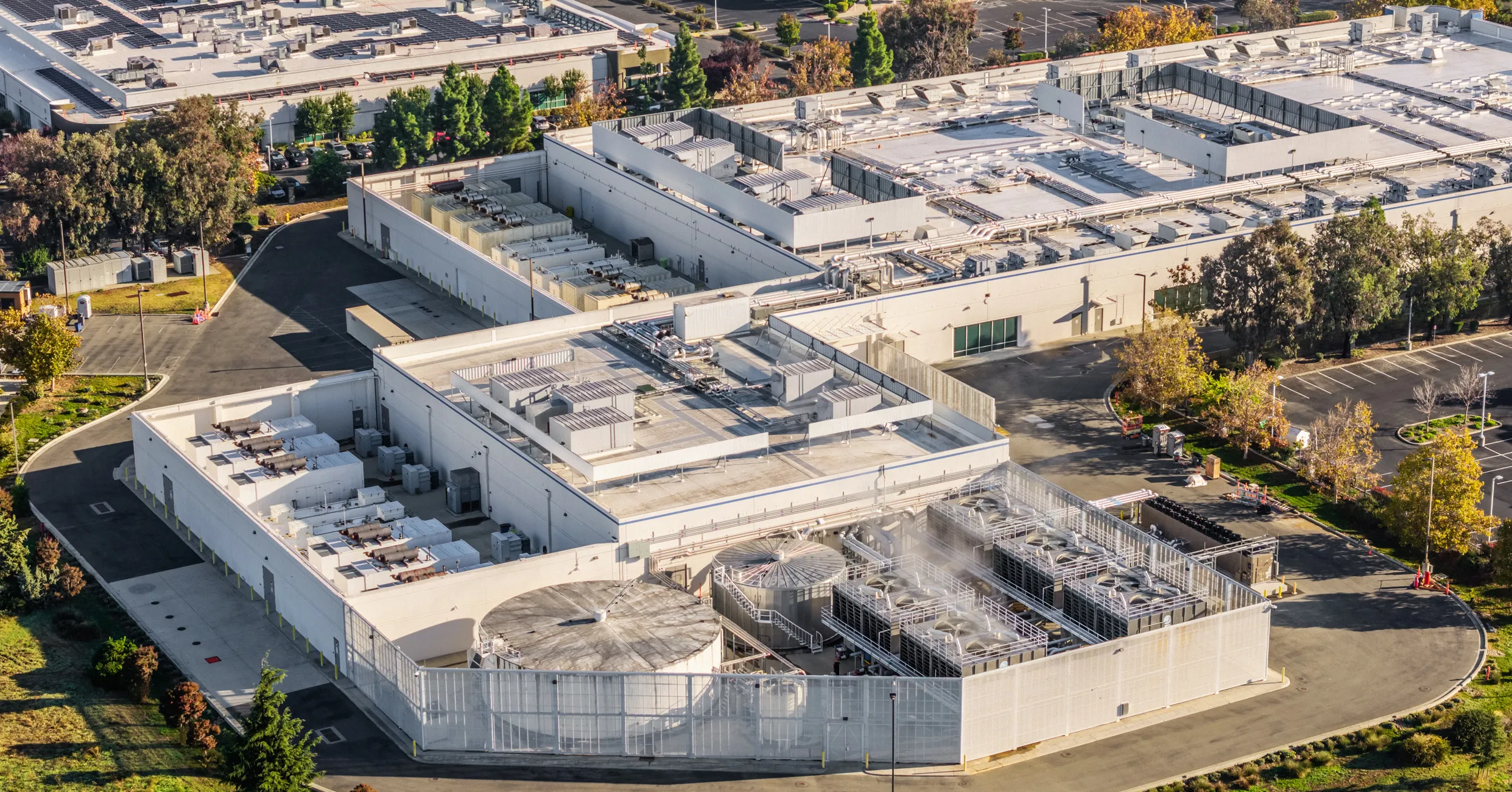
SpaceX has formally acknowledged that water scarcity, drought, and regulatory constraints pose significant risks to its future data centre development in an amendment to its initial public offering. This disclosure underscores a growing tension within the technology sector, where the rapid expansion of artificial intelligence infrastructure is colliding with local water shortages. A recent Gallup poll indicates that seven out of 10 Americans oppose new data centre development, citing water scarcity as the primary resource concern.
In response to intensifying public and regulatory scrutiny, several major technology firms are adjusting their operational strategies. Microsoft, OpenAI, and Oracle have indicated a shift away from evaporative cooling to conserve water, a move that includes OpenAI and Oracle’s Stargate expansion in water-stressed regions of Texas. Evaporative cooling, which uses fresh water to absorb heat from server racks before it evaporates in cooling towers, is energy-efficient but carries a large water footprint. Lawrence Berkeley National Laboratory predicted in a 2024 report that hyperscale data centres could consume up to 33 billion gallons of water by 2030 if they relied heavily on this method.
Google is taking a divergent approach, arguing that a one-size-fits-all strategy is ineffective. The company recently announced a series of commitments, including a pledge to replenish more freshwater than it consumes by 2030 through investments in local water projects. Google also promised to scale up the use of reclaimed and recycled water, disclose annual water use in its data centres, and implement a data-driven framework to determine optimal designs based on local watershed conditions. Ben Townsend, Google’s global head of infrastructure and sustainability, stated that the company has conducted detailed hydrologic assessments for four years to determine the most suitable cooling methods for each site.
Google defends evaporative cooling as necessary for reducing energy consumption and carbon emissions in regions with abundant water. In April, the company filed a submission with the European Union arguing that the technique is essential for developing sustainable data centres where water is plentiful. This position aligns with research from Shaolei Ren, a professor of engineering at UC Riverside, who found that if all US data centres adopted evaporative cooling during peak demand, it could free up an additional 10 to 30 gigawatts of power, potentially reducing strain on stressed electrical grids.
Despite these strategic adjustments, the industry faces ongoing challenges. Google halted plans for a data centre outside Santiago, Chile, in 2024 after a court partially revoked its permits due to water concerns. Furthermore, internal records reported by The New York Times suggest that Microsoft’s water use is set to rise despite its strategic pivot. As the sector grapples with these complexities, experts emphasise that public pushback and regulation are crucial for driving smarter, more sustainable infrastructure designs.
