SpaceX IPO filing reveals Elon Musk retains monarchical control via dual-class structure
With more than 50 per cent of voting power and a board appointment authority, Musk’s governance model departs significantly from standard public company norms, according to legal experts and market observers.
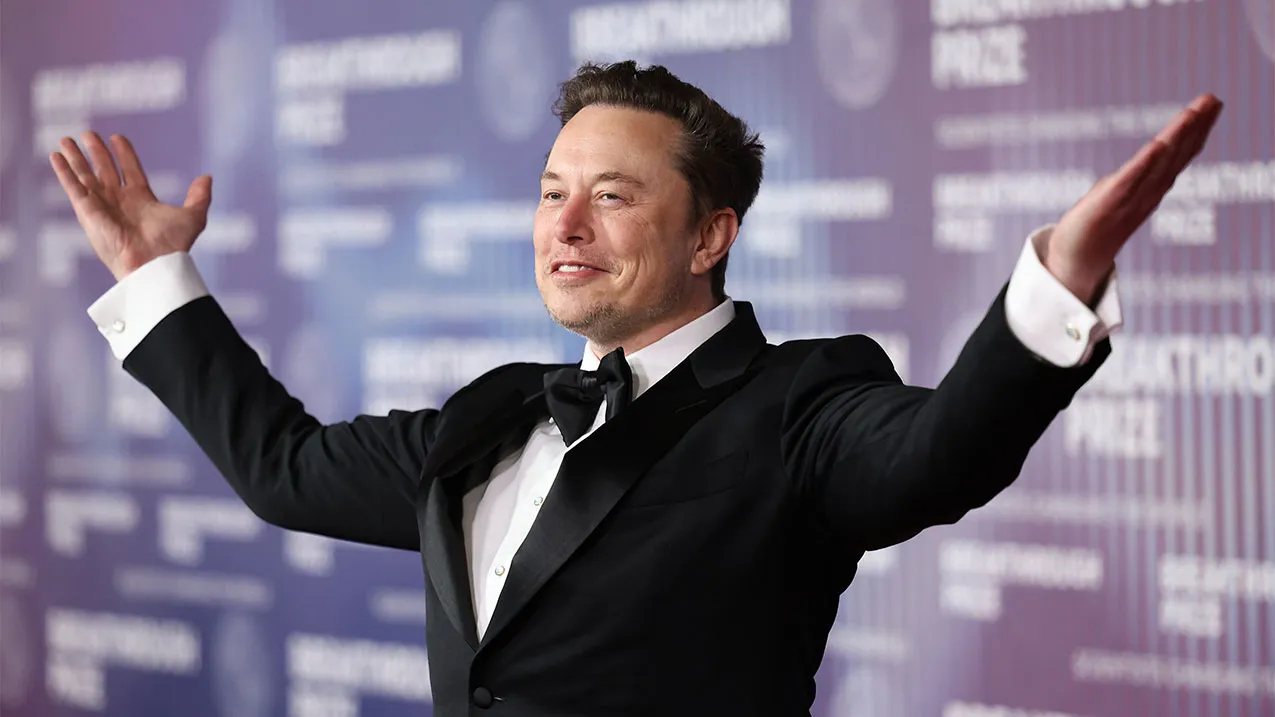
Elon Musk will retain absolute control over SpaceX following its initial public offering, with a filing made public on Wednesday outlining a governance structure that grants him more than 50 per cent of the voting power. The aerospace firm’s dual-class share arrangement ensures Musk, who will serve as chief executive officer, chief technology officer, and chairman, can appoint directors and influence corporate matters without significant input from public shareholders.
Under the proposed structure, Musk holds 93.6 per cent of the Class B super-voting shares, which are excluded from the public offering. This concentration of voting rights classifies SpaceX as a controlled company under stock exchange standards, allowing it to exempt itself from rules requiring independent oversight. The filing explicitly states that regular shareholders holding Class A shares will not receive the same protections afforded to investors in companies subject to full Nasdaq corporate governance requirements.
The company’s decision to incorporate in Texas further restricts shareholder leverage. By moving its domicile from Delaware, SpaceX has implemented bylaws that funnel most legal disputes to the Texas Business Court or mandatory arbitration. Additionally, the firm has raised the threshold for filing derivative suits to require ownership of at least 3 per cent of the company. At SpaceX’s expected valuation of $1.75 trillion, this stake would be worth approximately $52 billion, effectively precluding most individual legal challenges against the board.
Legal experts note that this structure removes traditional shareholder levers. Ann Lipton, a professor of law at the University of Colorado, argued that the combination of voting dominance, restricted litigation rights, and manipulated market liquidity neutralises investor pressure. SpaceX has reportedly lobbied Nasdaq to loosen index inclusion rules, potentially allowing rapid addition to the Nasdaq 100. This could trigger automatic buying by institutional investors, buoying the stock price in the early trading days and limiting the impact of shareholders selling their positions.
Musk’s compensation package includes 1 billion Class B shares, which vest only if SpaceX reaches a $7.5 trillion valuation and establishes a permanent human colony on Mars with at least one million inhabitants. Although these shares are unvested, the filing reveals Musk can vote them and pledge them as collateral for loans, with board approval effectively guaranteed by his control over the board. He may also place these shares in trusts to retain their super-voting status, a mechanism that could facilitate dynastic control for his heirs.
