SpaceX IPO filing and Nvidia earnings drive tech rally amid concentration warnings
Technology shares advanced on holiday-shortened trading as investors digested SpaceX’s prospectus and Nvidia’s strong quarterly results, while Bank of America warns of bubble-like conditions.
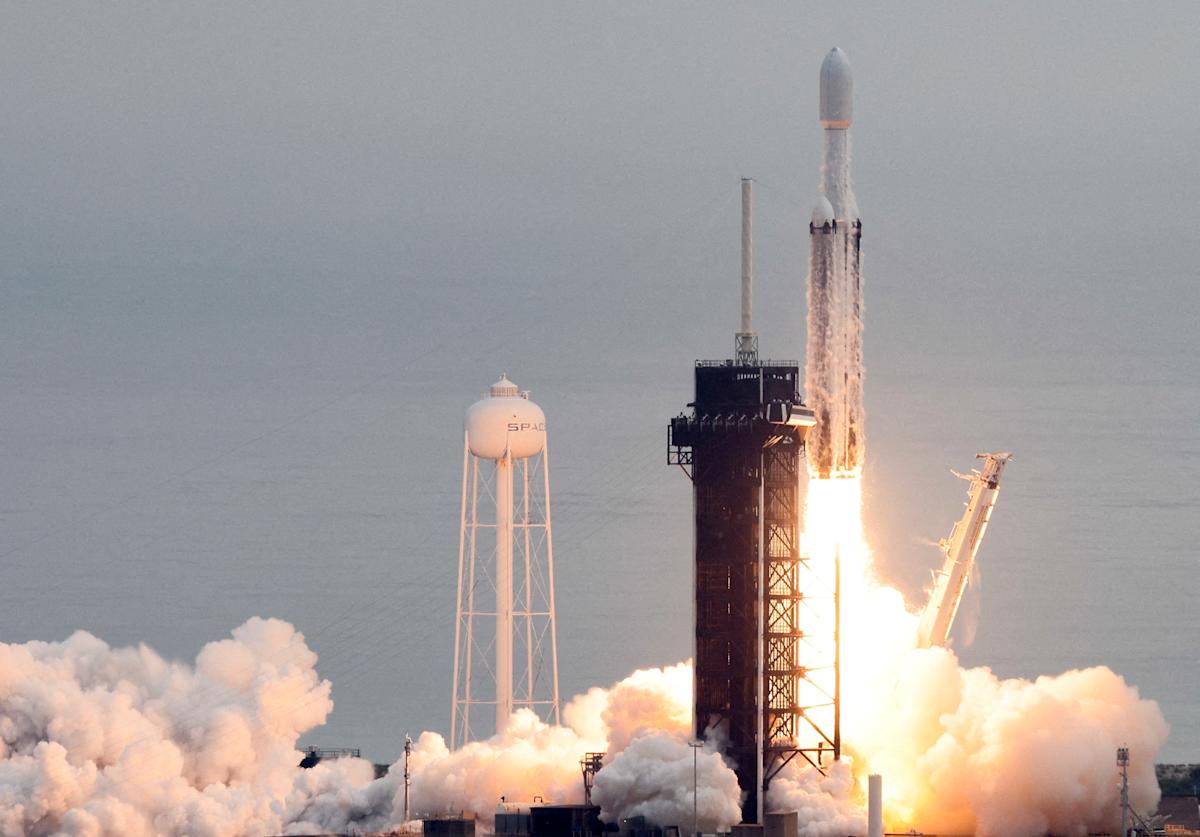
Technology stocks advanced at the start of a holiday-shortened week, buoyed by investor interest in upcoming initial public offerings from major artificial intelligence firms and robust quarterly results from Nvidia. The rally followed SpaceX’s filing of its S-1 prospectus last week, which revealed financial details and a target valuation of $2 trillion. Concurrently, Nvidia reported earnings that beat Wall Street expectations, delivering a better-than-anticipated second-quarter outlook that provided further momentum to the AI sector.
SpaceX’s prospectus outlines ambitions to colonise Mars and establish a network of orbital AI data centres, identifying a total addressable market of $28.5 trillion, primarily driven by artificial intelligence. Chad Anderson, founder and chief executive of Space Capital, noted the company’s heavy capital expenditure on AI infrastructure and its Starship vehicle. Nancy Tengler, chief executive of Laffer Tengler Investments, stated that her firm views SpaceX as additive to its portfolio, which includes holdings in Planet Labs and Rocket Lab, and suggested a potential long-term merger between SpaceX and Tesla.
The broader market also absorbed news that OpenAI is planning to file for an IPO in the coming weeks, with competitor Anthropic expected to follow as early as this autumn. While these mega-listings are expected to test investor appetite for the tech theme, they coincide with rising bond yields. Analysts warn that higher yields make the wait for future growth more expensive, potentially pushing the AI trade deeper into bubble territory as investors demand immediate returns.
Bank of America analyst Michael Hartnett estimated that adding these mega IPOs to current AI leaders could push market concentration from 40 per cent to 48 per cent of US market capitalisation. This level would exceed peaks seen during the Roaring ’20s, the Nifty Fifty era, the Japan ’80s, and the dot-com bubble, although it would remain below the heights of the railroad boom in the 1880s. The inflation backdrop is already close to Bank of America’s danger zone, adding complexity to the valuation landscape.
Beyond the AI giants, a handful of technology companies are scheduled to report results this week, including Zscaler, Marvell Technology, Salesforce, and Dell Technologies. In a separate development, US stock markets rose on Thursday as President Donald Trump and Chinese President Xi Jinping commenced a two-day summit in Beijing. Nvidia shares surged more than 2 per cent following news that the US approved H200 chip sales to Chinese firms, with the summit agenda covering trade, artificial intelligence, and the Strait of Hormuz.