SpaceX IPO exposes investors to SPV delays and fraud risks
As SpaceX prepares for its public debut, structural bottlenecks and hidden fees threaten returns, with regulators and peers already cracking down on similar opaque structures.
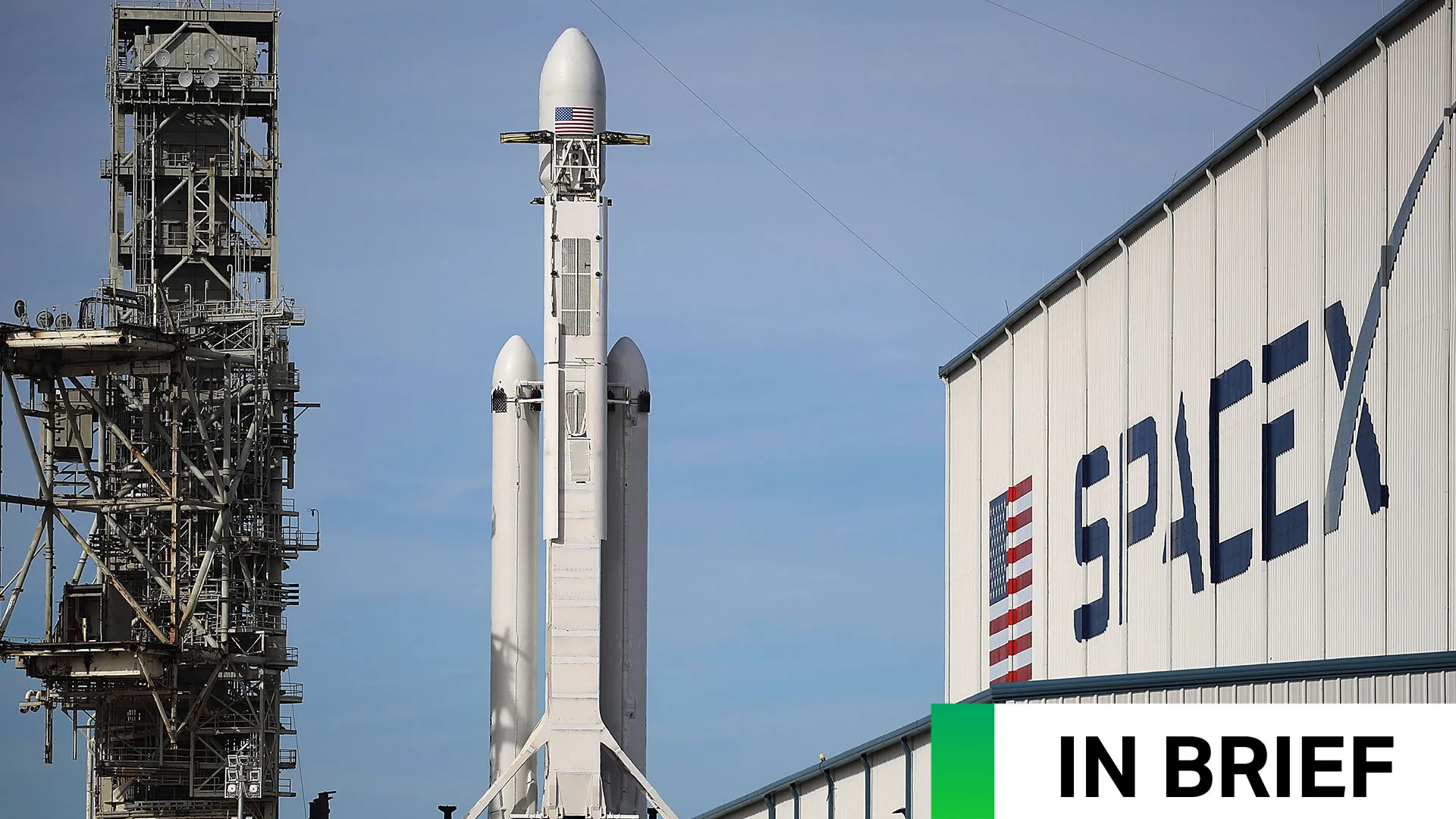
SpaceX is set to make its public debut on Friday, marking the first major test of multi-layered special purpose vehicles (SPVs) in an initial public offering. Investors holding shares through these nested structures face significant uncertainty regarding their actual entitlements, with many not discovering their true shareholdings until post-IPO lock-up periods expire. The complex, stacked nature of these investment vehicles—sometimes reaching four or five layers deep—means that share distribution to bottom-tier investors could be delayed by up to nine months.
Special purpose vehicles allow multiple parties to pool capital to invest in a single entity, a practice that has existed for some time but is now being tested at scale. High demand for SpaceX allocations in recent years has led investors to form new SPVs from their existing shares, increasing structural complexity. Consequently, SPV managers will not begin distributing shares to investors in these vehicles until they receive access to the shares themselves, creating a cascading delay effect.
Justin Ernest, founder and managing partner of Sabertooth Capital, which invests primarily in first-layer SPVs, stated that the first-layer vehicle has 30 days to distribute stock to its investors. This timeline means the next layer down likely will not receive its shares for an additional 30 days, pushing the final disbursement to the bottom SPV layer by an estimated eight or nine months.
A secondary investor described a "communication train" where each layer only knows what is happening in the layer above it, leading to potential inadvertent misinformation. Some investors in these "messy" multi-layered SPVs may find that expected shares are eroded by fees pocketed by the SPV manager. The structural ownership has become so convoluted that even well-intentioned sponsors may end up misleading their investors.
The biggest concern for downstream investors is the risk of receiving no shares at all, exacerbated by the possibility of fraud from unvetted SPV managers. Giovanni Pennetta, manager of Sestante Capital, was recently sentenced to four years in prison for fabricating access to non-existent allocations in Anduril. This precedent highlights the dangers for investors at the bottom of these structures, who must verify the legitimacy of every manager above them.
Nick Davidov, founder of Davidovs Venture Collective, reported an instance where an SPV manager stopped responding to communications for a year, leaving an investor in the dark regarding their SpaceX holdings. Idan Miller, managing partner at the Unicorns Exchange, predicted that bad actors would be revealed once lock-ups expire and shares begin trading.
In response to these risks, Anthropic and Anduril have recently announced disallowances of multi-layer SPV structures. Nearly a dozen SPV managers and secondary market investors told TechCrunch that backers in lower-tier vehicles might find they own fewer shares than anticipated, or in rare cases, receive none at all.