SpaceX IPO Excluded from S&P 500 as Index Providers Diverge on Eligibility
S&P Dow Jones Indices maintains strict profitability and listing history requirements, while competitors allow fast-track entry for the expected 'SPCX' listing, potentially forcing passive fund rebalancing.
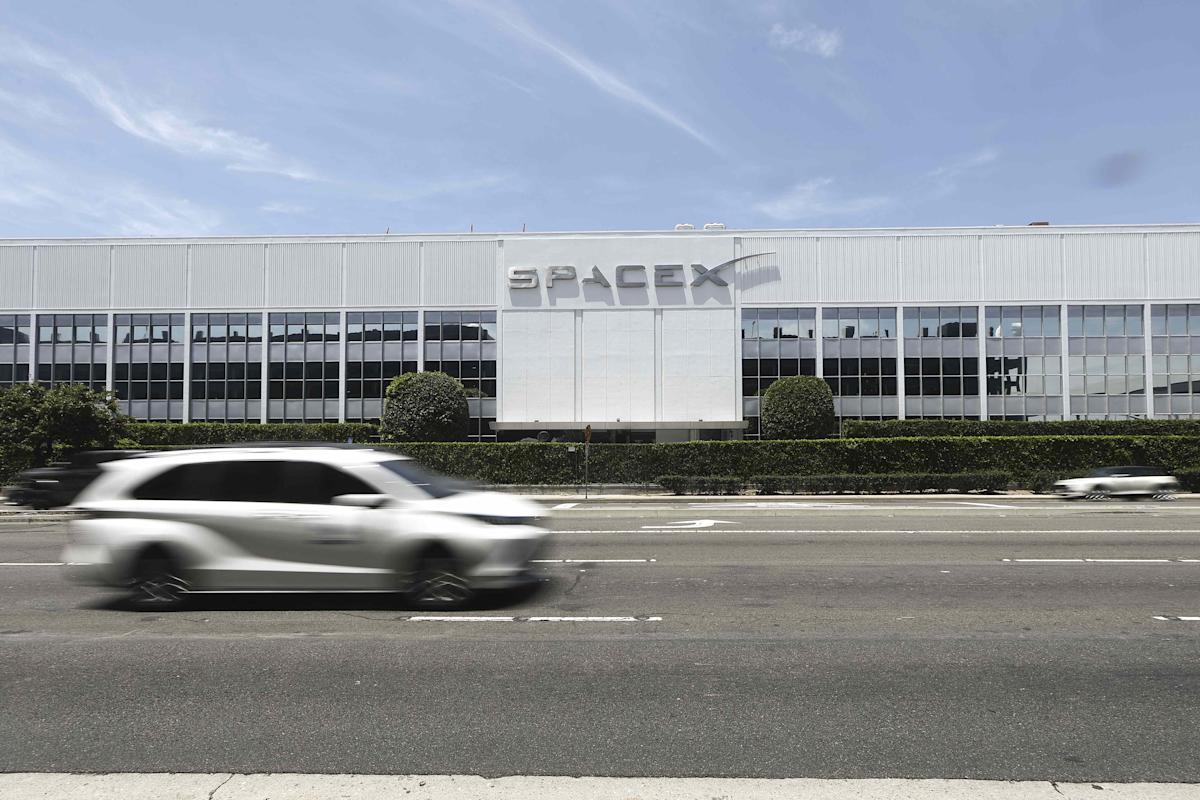
SpaceX is set to list publicly under the ticker "SPCX" in the near future, but the rocket manufacturer will not immediately enter the S&P 500. S&P Dow Jones Indices confirmed on Thursday that it will not relax eligibility criteria for the benchmark index, meaning the company cannot bypass the standard requirements for inclusion. This decision follows a review of market conditions and stakeholder responses, with the index provider maintaining that size alone is not a determining factor for entry into the S&P 500, S&P MidCap 400, or S&P SmallCap 600.
Under current rules, companies seeking entry into the S&P 500 must demonstrate profitability, meet public float requirements, and have a listing history of at least 12 months. S&P Dow Jones Indices stated it would not shorten the seasoning period or ease financial requirements to accommodate new mega-cap companies, such as SpaceX or potential AI rivals like Anthropic and OpenAI. The decision was made after a committee reviewed market conditions and considered feedback from a wide range of market participants.
In contrast, other major index providers have moved to ease rules to accommodate large new listings. FTSE Russell and Nasdaq have adjusted their criteria, allowing SpaceX to potentially enter indexes such as the Russell 1000 and Nasdaq 100 within five to 15 days of trading. This fast-track approach differs significantly from previous rules, which typically required months of trading history before inclusion.
The divergence in eligibility standards may significantly impact passive investment funds tracking these broader benchmarks. Funds tracking the Nasdaq 100 and Russell 1000 may be forced to purchase SpaceX shares to maintain index composition once the company begins trading. Investors are advised to monitor their portfolios for increased exposure to the rocket company, as passive funds tracking these indexes will likely absorb the new listing automatically.
While excluded from the S&P 500, SpaceX may still gain fast-entry into other S&P products, such as the S&P Total Market Index and the Dow Jones U.S. Total Stock Market Index, which do not have financial viability requirements for inclusion. Some S&P indexes have also relaxed float requirements, which could ease entry for certain companies. Bloomberg ETF analyst Eric Balchunas noted that these differing rules could create significant return dispersion between passive indexes, urging investors to consider how their specific fund exposures might change.