SpaceX index inclusion triggers governance debate and market stability questions
CalPERS and New York comptrollers criticise Elon Musk’s control structure, while experts argue index funds remain a prudent long-term strategy despite volatility.
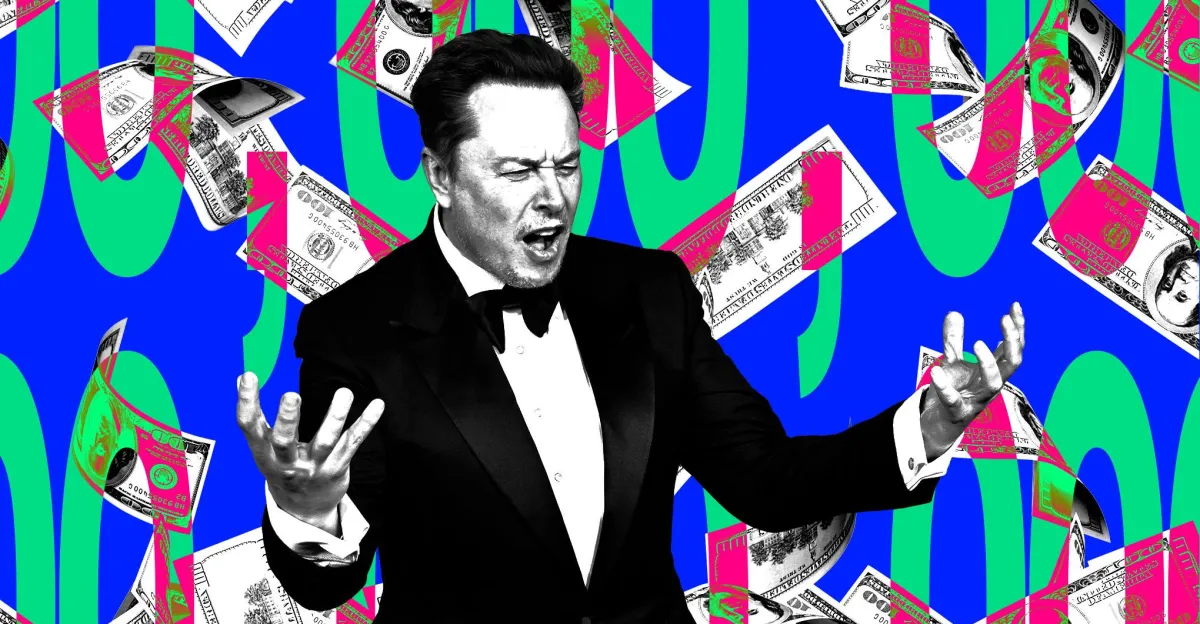
SpaceX has been added to the Nasdaq-100 index following a rule change that permits large new public companies to join the benchmark on their 15th day of trading. The inclusion mandates that index funds tracking the benchmark purchase shares, potentially impacting retirement funds and market stability. The event has sparked debate regarding the stability of index funds, corporate governance concerns related to Elon Musk’s control, and the potential impact on retail investors’ retirement funds.
SpaceX shares began trading on the Nasdaq on 11 June 2026 at $150 per share, following an initial offering price of $135. The stock rose 27% to $172 in early trading, contributing to modest gains in US equity markets. The company’s market capitalisation is cited as approximately $1.77 trillion, with an IPO valuation around $1.5 trillion at the time of reporting. The IPO sold less than 5% of the company’s shares, raising approximately $75 billion.
The inclusion follows a rule change reportedly requested by SpaceX, allowing it to join the index shortly after its debut. This structural shift means that index funds must buy shares regardless of individual company fundamentals. Burton Malkiel, a key figure in the rise of index funds, argues that the strategy remains a safe investment approach despite the volatility and governance concerns associated with the company. He notes that while he would hesitate to buy SpaceX as an individual stock, avoiding it via an index fund is unnecessary for most investors.
Governance concerns have been highlighted by major institutional investors. CalPERS, the New York state and city comptrollers, have sent a letter to SpaceX criticising its “novel and extreme governance structure.” Critics specifically note that Musk holds majority voting rights and limits shareholder litigation rights, concentrating power in the hands of the CEO. This has raised questions about the ability of index funds to influence corporate behaviour and protect shareholder interests.
Market mechanics are expected to play a significant role in the stock’s trajectory. Index funds are anticipated to help absorb selling pressure when employee lockup periods expire, potentially stabilising the price. Analysts note that index funds may rebalance with fewer SpaceX shares if the stock’s value declines relative to the broader market. Meanwhile, SpaceX president Gwynne Shotwell donated shares worth $325 million to Trump Accounts, further intertwining the company with political and financial spheres.
