SpaceX files S-1 with $18.7bn revenue, $4.9bn loss as it pivots to AI
The nearly 400-page filing to the US Securities and Exchange Commission outlines a $28.5 trillion addressable market, dominated by AI enterprise applications, while founder Elon Musk retains 85.1 per cent of voting power.
SpaceX has submitted a detailed S-1 filing to the US Securities and Exchange Commission, marking the first public disclosure of its financial accounts ahead of an initial public offering scheduled for June 12. The nearly 400-page document reports $18.67 billion in revenue for 2025, a significant increase from $14.02 billion in 2024. However, the company recorded a net loss of $4.94 billion in 2025, driven largely by heavy expenditure on artificial intelligence development and rocket engineering.
The filing projects a total addressable market of $28.5 trillion across its present and future offerings. Of this figure, approximately $2 trillion is attributed to space operations and the Starlink network, while $26.5 trillion is linked to AI enterprise applications. The company stated it believes it has identified the largest addressable market in human history, contingent on leveraging its launch capabilities for massive orbital deployment of AI compute infrastructure.
A significant portion of the financial activity stems from SpaceX’s acquisition of xAI, which was merged with the social media platform X in February 2025. The documents reveal that xAI incurred an operational loss of $6.4 billion on $3.2 billion in revenue during 2025. The filing also discloses a landmark $40 billion compute deal with Anthropic, securing the entire output of xAI’s Colossus data centre through May 2029, with payments of $1.25 billion per month.
Founder Elon Musk will retain 85.1 per cent of the combined voting power as chief executive officer and chairman following the IPO. His salary for 2025 was recorded at $54,080, while President and COO Gwynne Shotwell received a salary of $1.08 million, with total compensation valued at $85.8 million including stock awards. The filing notes that Musk has served as an advisor to the US government and highlights political risks, warning that changes in administration or congressional composition could materially affect government spending priorities and regulatory posture.
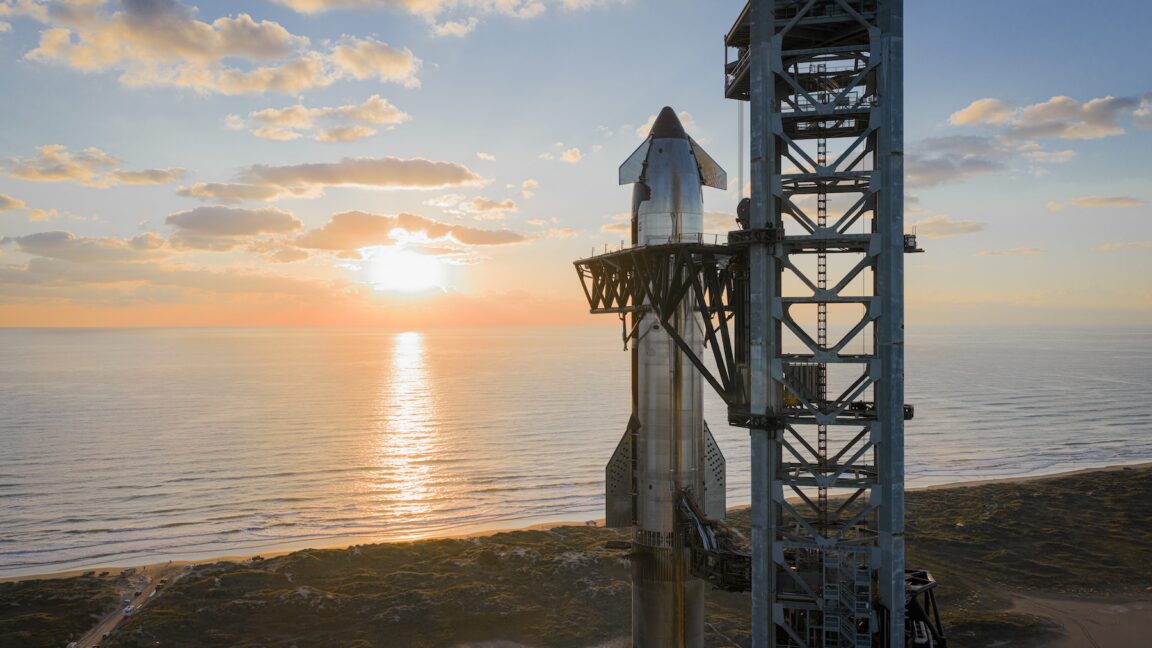
SpaceX aims to begin launching V3 Starlink satellites in the second half of 2026 and plans to deploy orbital AI compute satellites starting in 2028. The company claims it is the only entity with a commercially viable path to building orbital AI compute at scale, with a goal to launch 100 gigawatts of compute to space annually. The filing also acknowledges that significant technological and engineering challenges remain for the Starship vehicle to achieve full reusability for Moon and Mars missions.
