SpaceX files S-1 for historic $1.75 trillion IPO
The publicly released filing reveals a $4.9 billion net loss in 2025, heavy capital expenditure on AI ventures, and significant legal liabilities following the absorption of Elon Musk’s other companies.
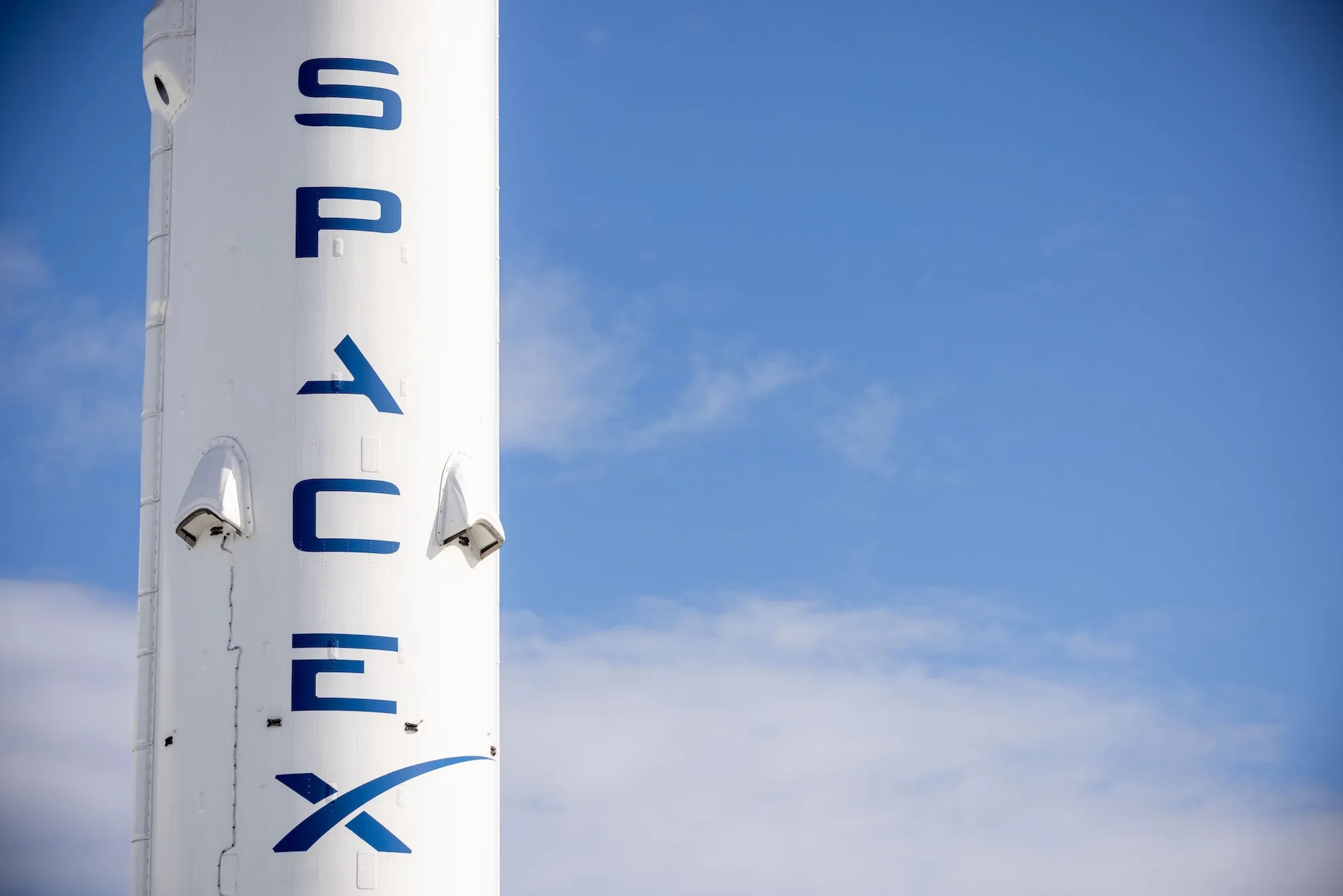
SpaceX has made its S-1 initial public offering filing public, weeks ahead of an expected listing on the Nasdaq exchange that is projected to be the largest in history. The aerospace and technology conglomerate, founded by Elon Musk 24 years ago, is valued at approximately $1.75 trillion and plans to raise around $75 billion using the ticker symbol "SPCX". The company initially submitted a confidential version of the filing to the Securities and Exchange Commission on 1 April 2025, and the full document was posted after markets closed on Wednesday.
The regulatory filing provides a detailed financial dissection of the company, revealing that SpaceX incurred a net loss of $4.9 billion in 2025 despite generating revenue exceeding $18 billion. The company has lost more than $37 billion since its inception. Starlink, the satellite internet division, is currently the dominant revenue driver, generating over half of the company’s total revenue last year, amounting to approximately $11 billion.
A significant portion of the company’s recent financial activity relates to its artificial intelligence operations. XAI, the AI company created by Musk and recently merged into SpaceX, received approximately 60% of the company’s capital spending in 2025, totalling around $20 billion. Despite this heavy investment, the AI division, which houses the Grok chatbot, lost billions last year and achieved revenue growth of only about 22%, a rate described as far below those of frontier AI labs.
The filing also outlines substantial legal risks associated with the company’s expansion. SpaceX faces potential costs of $530 million from legal battles stemming from the absorption of Musk’s AI and social media companies. The document contains 36 pages dedicated to risk factors, highlighting the complexities of integrating these diverse business units into a single publicly traded entity.
While Nvidia currently holds the title of the most valuable publicly traded company with a market capitalisation of $5.4 trillion, SpaceX’s entry into the public markets represents a major shift for the sector. The company’s future remains closely tied to the success of its Starship rocket, with the 12th launch expected as early as this week. The exact timing of the IPO listing later this year remains unconfirmed, and final valuation figures may differ from current reports.
