SpaceX files S-1 ahead of IPO, reports $4.94 billion loss driven by AI spending
The US spaceflight giant disclosed a significant 2025 financial deficit in its registration statement with the Securities and Exchange Commission, while launch operations in South Texas faced a temporary setback.
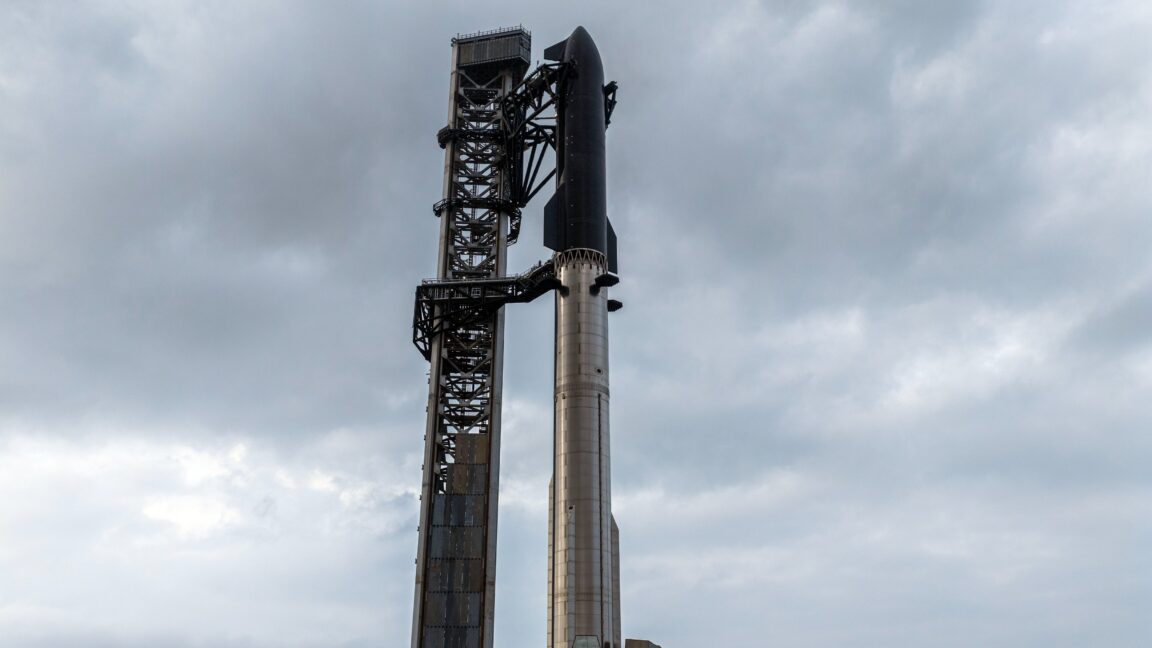
SpaceX has filed an S-1 registration statement with the US Securities and Exchange Commission, marking a pivotal step toward a potential initial public offering. The nearly 400-page document, released on Wednesday afternoon, provides the first detailed financial accounting of the private company, which has operated since its founding in 2002. The filing suggests the company could proceed with an equity sale as early as June 12.
The disclosure reveals a sharp shift in the company’s financial trajectory. While SpaceX reported revenues of $18.67 billion in 2025, an increase from $14.02 billion the previous year, it recorded a net loss of $4.94 billion. The filing attributes this deficit largely to increased expenditure on artificial intelligence development, following the company’s recent acquisition of Musk’s xAI. This marks a departure from 2024, when the company posted a small profit.
In operational developments, SpaceX scrubbed a Starship test flight in South Texas due to a hydraulic pin failure on the launch tower. The countdown was halted 40 seconds before liftoff after the computer controlling the sequence repeatedly stopped. Elon Musk, the company’s founder and chief executive officer, stated that if the issue is resolved overnight, a rescheduled attempt is set for Friday evening.
The upcoming test flight carries significant weight for the commercial space sector and NASA’s Artemis programme. The vehicle features a new Starship upper stage and Super Heavy booster, alongside a redesigned launch pad at the Starbase facility. Success is critical for validating the rapid, low-cost, and reusable launch capabilities that underpin SpaceX’s broader ambitions, including Starlink direct-to-cell services and orbital infrastructure.
Separately, German launch provider Isar Aerospace has entered a partnership with submarine manufacturer TKMS to support Canada’s sovereign space access initiative. TKMS is competing for a submarine contract with South Korea’s Hanwha Ocean and has included Isar’s involvement to sweeten its proposal. The collaboration aims to establish small-lift launch capability by the end of 2028, aligning with Canada’s $105 million Launch the North initiative.
