SpaceX Falcon 9 upper stage set for lunar impact in August
Astronomers in the Americas prepare to observe the 4,000-kilogram stage’s 5,400 mph collision, offering data on space debris hazards and lunar dust dynamics.
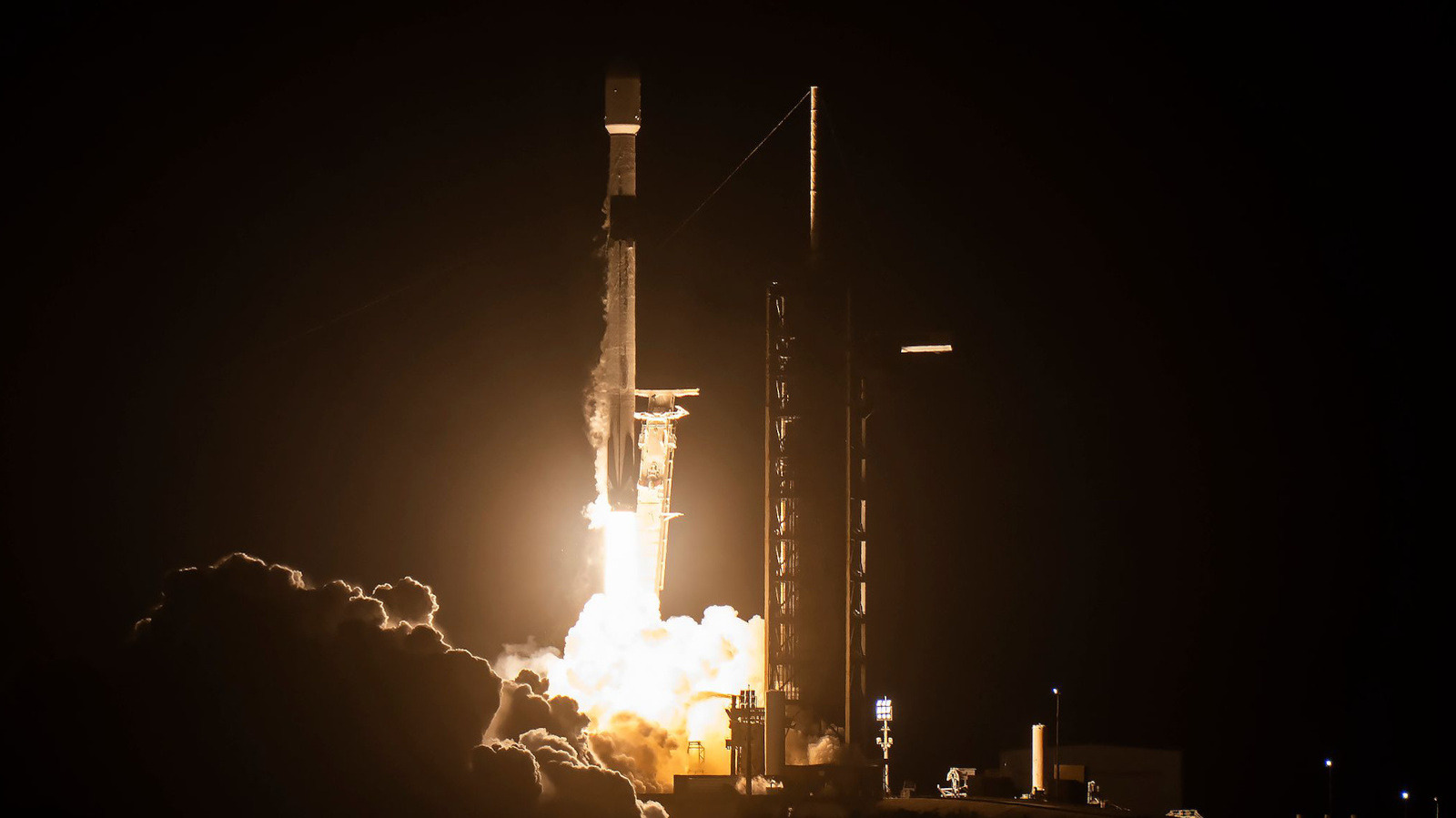
The upper stage of a SpaceX Falcon 9 rocket, which launched in January 2025 to deploy the Firefly Blue Ghost and ispace Hakuto-R lunar landers, is expected to crash into the moon near the Einstein Crater on August 5 at approximately 2:35 AM ET. The 4,000-kilogram stage, which has been drifting in space since running out of fuel, will impact at 5,400 mph. Astronomers, particularly in South America and low-to-mid latitude North America, may observe the event using ground-based telescopes to study lunar dust dynamics and space debris hazards.
The trajectory of the impact was predicted by astronomer Bill Gray, creator of the Project Pluto desktop planetarium program, who utilised orbital data to model the stage’s path. The upper stage originated from the mission that launched on 15 January 2025, carrying the Firefly Aerospace Blue Ghost lunar lander and the ispace Hakuto-R lander. After deploying its payloads, the stage exhausted its fuel and could not execute a controlled re-entry, leaving it to drift in space for over a year.
Measuring approximately 39 feet long and 13 feet wide, the stage is a hollow shell. According to a paper written by Gray and his colleagues, which used a physics simulator to analyse data, the impact is expected to be less significant than that of a natural impactor of similar mass. The researchers noted that the stage is moving "much more slowly" and its hollow structure will result in a less energetic collision than solid rock of the same weight.
Despite the relatively modest impact energy, the event provides a unique opportunity for astronomers to observe an artificial impact in real time. The data collected will assist in understanding how dust and plumes move from impact events on the moon, as well as providing insights into the hazards posed by artificial space debris. Visibility of the impact flash will depend on local darkness and the moon’s altitude, with optimal viewing conditions in South America and low-to-mid latitude North America.
The predicted impact occurs shortly after SpaceX’s debut on the Nasdaq on 11 June 2026, where the company raised $75 billion in its initial public offering. The stock opened at $150 per share, valuing the company at approximately $1.77 trillion. The lunar collision marks another notable event in the company’s history, following its recent entry into public markets and its ongoing role in commercial space exploration.
The exact visibility of the impact flash may vary depending on atmospheric conditions and specific telescope capabilities at different locations. The precise magnitude of the dust plume and its duration remains theoretical, based on physics simulations rather than direct observation of this specific event. Astronomers are advised that the higher the moon is at the time of impact, the higher the chances of witnessing the crash.
