SpaceX delays Starship V3 launch amid hydraulic failure as IPO stakes rise
The third-generation rocket’s debut test is critical to SpaceX’s valuation ahead of its expected public listing, with filings highlighting Starlink’s $11 billion revenue contribution.
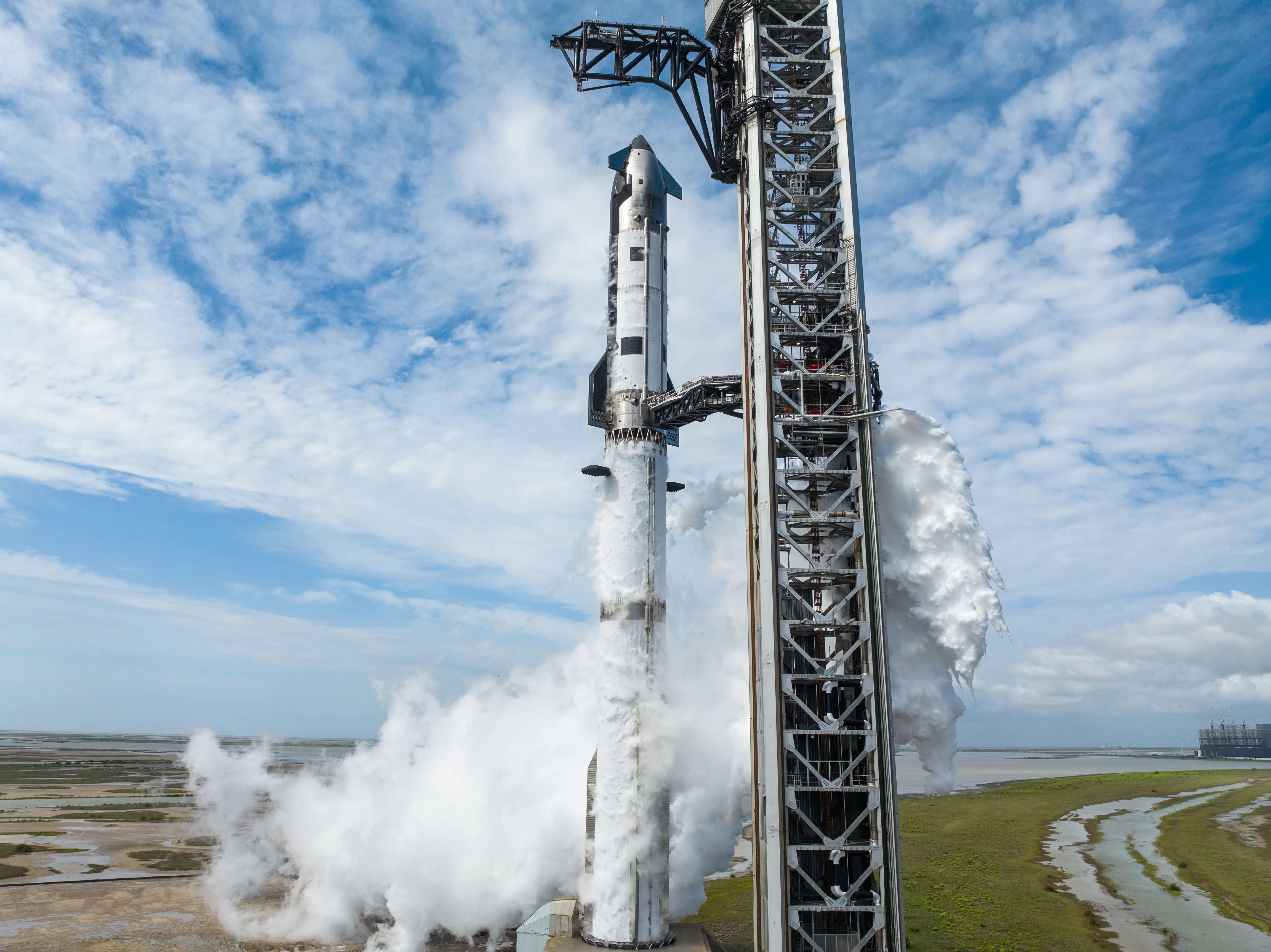
SpaceX has scrubbed the first launch of its third-generation Starship V3 rocket system from its Starbase facility in Texas, moments before the vehicle was scheduled to lift off. The decision came after a hydraulic pin holding the launch tower arm failed to retract, a technical snag confirmed by CEO Elon Musk on X. The company intends to attempt the launch again on Friday at 5:30 p.m. local time, contingent on repairs being completed overnight.
This event marks Starship’s 12th flight and represents the first test of the upgraded V3 hardware since October 2025. The launch window closure occurred after multiple countdown re-cycles driven by various rocket and launchpad system issues. Prior to the final scrub, the vehicle was fully fueled, with the countdown dipping below T-40 seconds before the hydraulic failure halted proceedings.
The timing of this test is strategically significant for SpaceX’s financial trajectory. The company recently filed for an initial public offering and is expected to go public within weeks. In its filings, SpaceX disclosed that its corporate strategy is “highly dependent” on the success of the Starship programme. The disclosures also revealed that Starlink generated $11 billion in revenue last year, underscoring the financial imperative to demonstrate that the new rocket system can reliably support the company’s satellite constellation.
The V3 iteration introduces substantial engineering changes, including third-generation Raptor engines with increased thrust and a more streamlined design. The booster is configured with one fewer grid fin and modifications intended to prevent propellant leaks in the upper stage, issues that have plagued previous test flights. These upgrades aim to enhance the vehicle’s reliability and facilitate the total reusability model that has driven the success of the Falcon 9.
Despite the technical advancements, this specific flight will not achieve true Earth orbit, nor will it attempt to recover the booster or the Starship vehicle. Both components are scheduled for “soft landings” in the Atlantic and Indian Oceans, respectively. Consequently, SpaceX will need to wait for subsequent missions to prove that the mega-rocket’s upper stage is capable of delivering commercial payloads, a capability it has yet to demonstrate with the new system.
