OpenAI appoints veteran political operative Chris Lehane to manage AI reputation crisis
Chris Lehane, known for his work with Airbnb and the Clinton administration, joins OpenAI as chief of global affairs to navigate growing public skepticism and state-level legislative challenges.
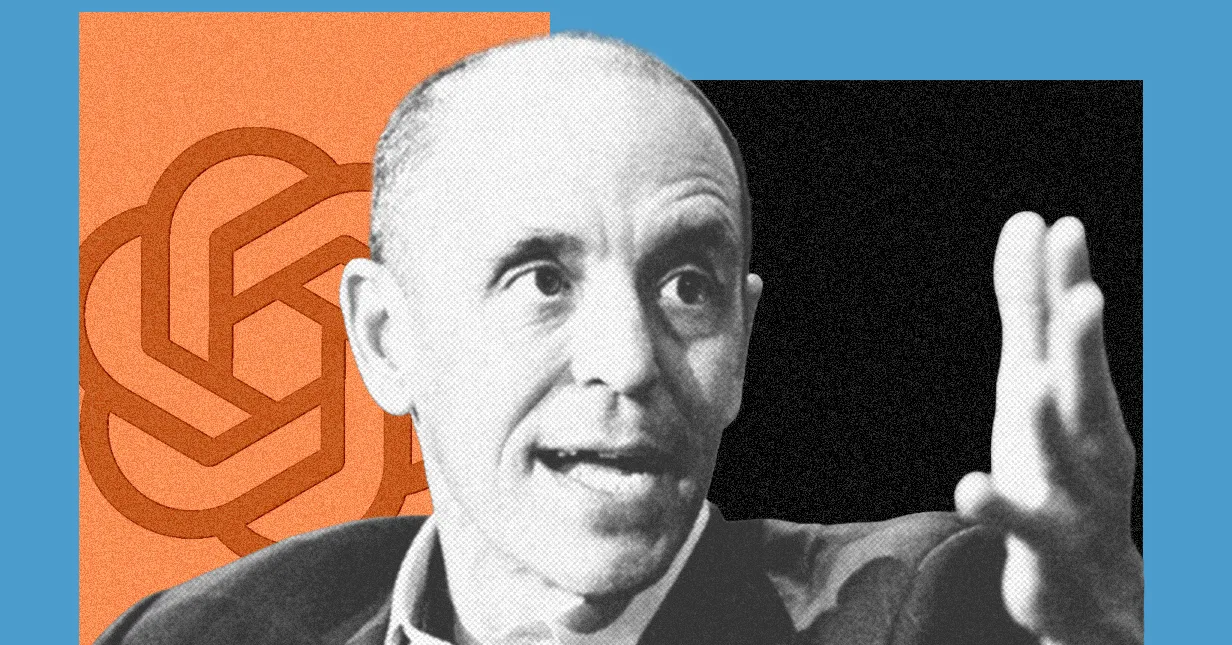
OpenAI has appointed Chris Lehane, a veteran political operative and former White House official, as its chief of global affairs to address a mounting public relations crisis surrounding artificial intelligence. Lehane, who previously helped Airbnb navigate regulatory hurdles and co-founded the crypto industry super PAC Fairshake, will oversee the company’s communications and policy teams. His mandate is to moderate the public narrative on AI’s societal impacts while persuading lawmakers to adopt regulations that support the company’s growth trajectory.
The appointment follows a period of intensified backlash against the technology sector, marked by negative public sentiment and violent incidents, including a Molotov cocktail attack on OpenAI CEO Sam Altman’s home. Lehane aims to move the industry away from polarising narratives, describing current public discourse as artificially binary. He advocates for a more calibrated message that acknowledges both the benefits and the challenges of AI, rejecting both utopian visions of a work-free future and dystopian fears of elite control.
To address concerns regarding job displacement and the societal impact of chatbots, Lehane has pointed to policy proposals published by OpenAI, which include a four-day work week, expanded healthcare access, and taxes on AI-powered labour. He argues that the company has an obligation to propose solutions to the problems its technology creates. This approach comes amidst internal criticism, with former employees accusing the firm of downplaying economic downsides and transforming its research unit into an advocacy arm.
Lehane is also overseeing OpenAI’s engagement with state-level legislation through a strategy he terms “reverse federalism.” This involves lobbying US states to pass harmonised AI laws similar to those in California and New York, aiming to prevent a regulatory patchwork that could hinder innovation. This effort follows controversy over the company’s initial support for an Illinois bill that included liability shields for AI developers. Lehane admitted that OpenAI’s blanket support for the legislation was an oversight and that the company had not been explicit about which provisions it opposed.
Regarding the pro-AI super PAC Leading the Future, Lehane clarified that he is not involved in its day-to-day operations and stated that OpenAI does not directly fund the group. The super PAC, which has received significant funding from tech figures including OpenAI co-founder Greg Brockman, has faced criticism for galvanising opposition to its endorsed candidates. OpenAI has since distanced itself from the liability shield provisions of the Illinois bill and now supports separate legislation requiring third-party safety audits for leading AI companies, a move also endorsed by rival Anthropic.
