SpaceX and Pentagon clash over Starlink misuse and drone pricing
A dispute over the use of commercial Starlink terminals on US military suicide drones has intensified, with SpaceX CEO Elon Musk accusing the Pentagon of violating service agreements while the Department of Defense denies any wrongdoing and explores other satellite providers.
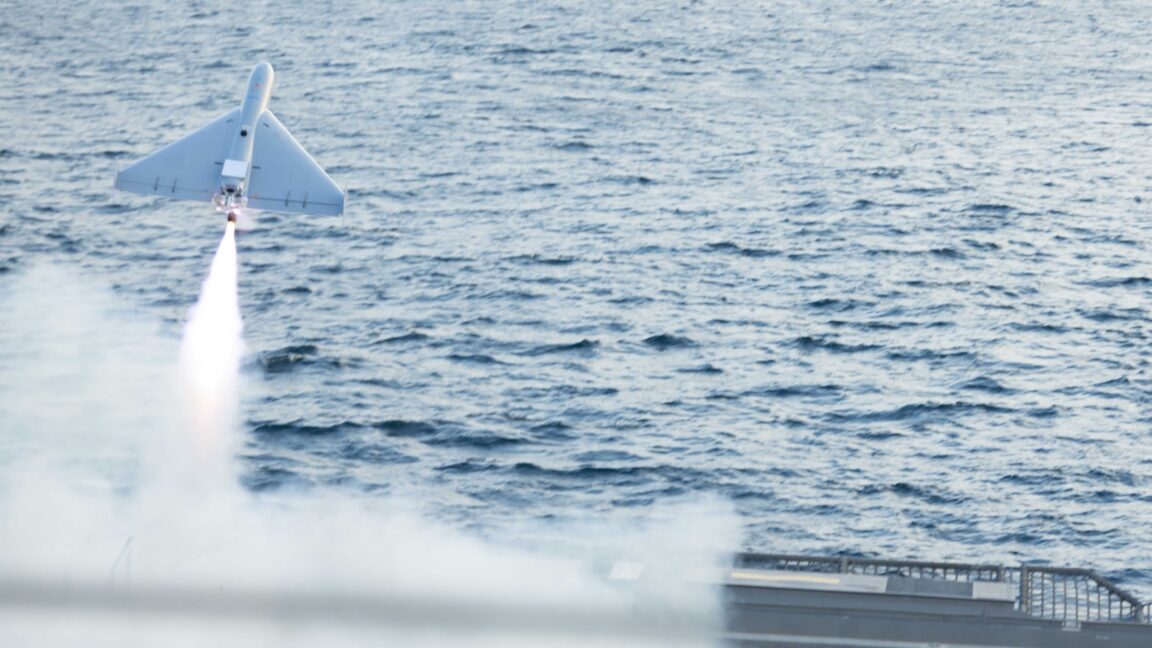
Elon Musk has asserted that US military suicide drones utilised the commercial Starlink network rather than the government-specific Starshield service, a move he described as a direct violation of SpaceX’s terms of service. The SpaceX chief executive attributed the technical error to the drone manufacturer, Spektreworks, stating that the contractor had configured the hardware incorrectly. This claim emerged following a Reuters report detailing a pricing dispute between SpaceX and the Pentagon regarding Starshield access for the Low-cost Uncrewed Combat Attack System (LUCAS) drones.
The conflict centres on the Low-cost Uncrewed Combat Attack System, or LUCAS, developed by defence contractor Spektreworks. According to the Reuters report, SpaceX requested a price increase for Starshield access from $5,000 to $25,000 per connection. The Pentagon, which previously paid $5,000 for each connection, initially objected to the hike but ultimately agreed to the new rate. The $25,000 charge represents a monthly fee for the satellite connection provided to a terminal, despite the LUCAS drones being one-way systems that detonate upon impact after only minutes or hours of operation.
Musk addressed the controversy on X, dismissing the Reuters article as false but simultaneously confirming that the military had made improper use of the Starlink civilian system for military purposes. He clarified that Starshield is a separate network operated by the US government, distinct from the civilian Starlink system. Musk stated that the company that manufactures the suicide drones incorrectly used the civilian system instead of Starshield, noting that such violations are shut down when discovered.
In response, the Pentagon denied any violation of its agreement with SpaceX and dismissed the Reuters report as inaccurate. Pentagon spokesperson Sean Parnell posted on X that the media story was wrong, asserting that SpaceX remains a strong and valued partner to the Department of War. The department also provided a statement to Ars Technica indicating that it is operating in accordance with the terms and conditions of its contracts.
Despite the public denial, the Pentagon is conducting market research to identify alternative commercial satellite communications vendors. A statement from the department indicated a commitment to fostering a competitive environment for commercial satellite communications and engaging with industry to identify innovative solutions. This move suggests a desire to reduce reliance on SpaceX, which has become a critical tool in modern warfare since the conflict in Ukraine began.
Financial disclosures from SpaceX’s recent IPO filing highlight the complexity of the government relationship. The filing revealed a $175 million decrease in government connectivity business revenue in the third quarter of 2026, contrasting with an overall connectivity revenue increase of $782 million. The overall revenue increase was driven by boosts from consumers, large businesses, and aviation and maritime offerings, though the government segment decline was notable.
Separate from the drone dispute, there are ongoing discussions regarding the price of providing direct-to-cell service to Iranian citizens. SpaceX reportedly proposed charging up to $500 million for launch and $100 million monthly for operation, a figure that reportedly alarmed defence officials. While the Pentagon agreed to the higher pricing for LUCAS drones, senior officials remain uneasy about the arrangement, with some revisiting the pricing structure with SpaceX leadership.
The dispute echoes previous tensions between SpaceX and the US government over satellite terminal payments, including early conflicts regarding service in Ukraine. While SpaceX initially donated terminals, the Pentagon later confirmed it was paying for ongoing service. With no other company providing a comparable alternative to Starlink’s low Earth orbit capabilities, the Pentagon’s efforts to diversify its vendor base remain a strategic priority as it navigates these commercial and military intersections.