SpaceX aborts Starship V3 launch as shares fall below IPO price
The rocket manufacturer’s stock dropped more than 4% in after-hours trading following the aborted test flight, marking the first launch attempt since its historic public listing.
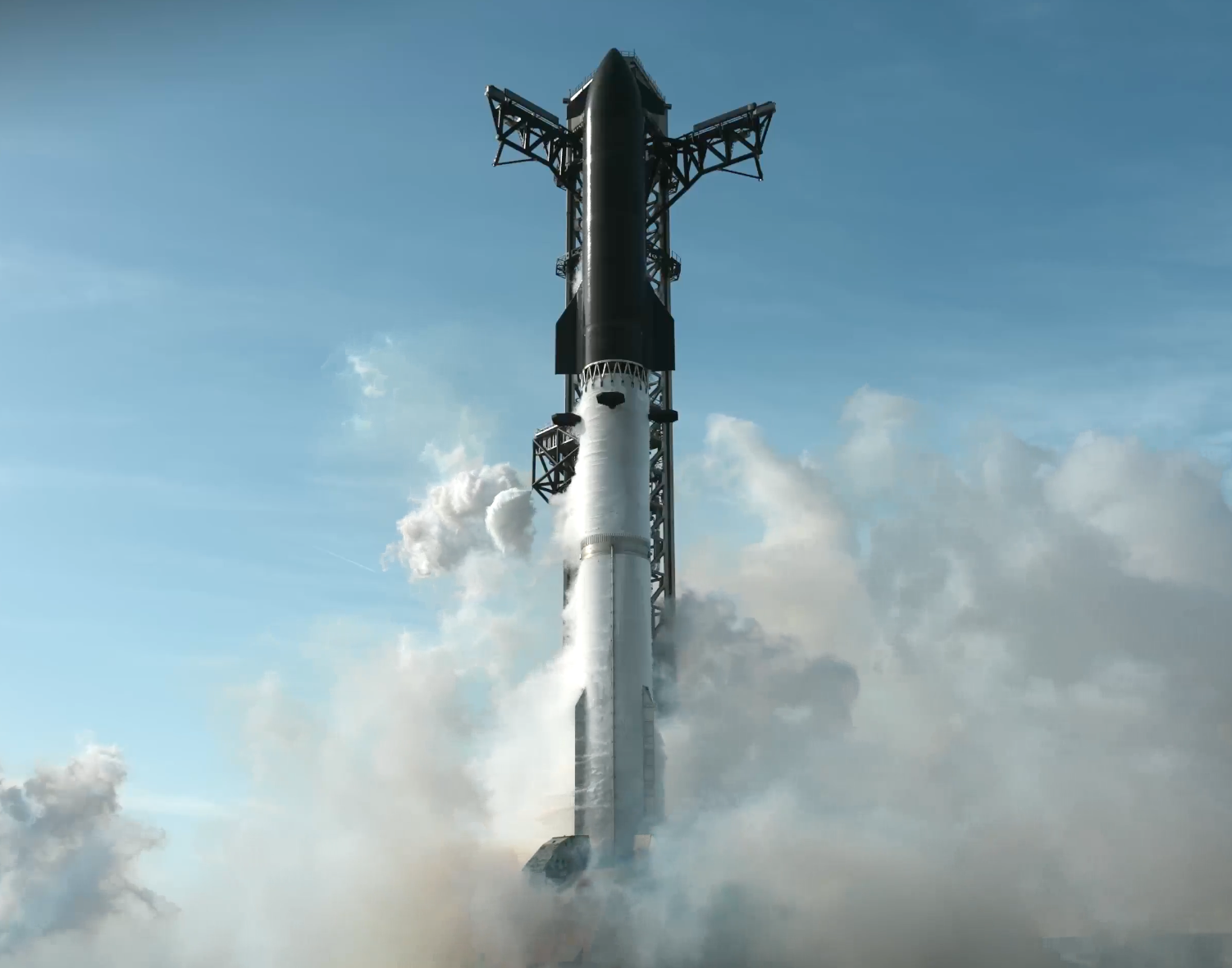
SpaceX abruptly aborted the second attempted launch of its upgraded Starship V3 rocket system on Thursday, moments after booster ignition at its South Texas complex. The incident occurred just weeks after the first-ever launch of the Starship V3 in May, as the company sought to return to flight operations.
CEO Elon Musk confirmed the failure via a post on X, stating that some engines did not start, which triggered an automatic launch abort. Musk indicated that the company plans to attempt another launch in a few days, though an exact date has not yet been confirmed.
The technical failure comes shortly after SpaceX’s historic public listing on June 12, which saw the company raise more than $85 billion in the largest initial public offering in history. The debut coincided with modest gains in US equity markets and a drop in oil prices, as investors reacted to reports that the United States and Iran were nearing an interim peace deal to reopen the Strait of Hormuz.
Following the IPO, priced at $135 per share, SpaceX’s stock opened trading on the Nasdaq on 11 June 2026 at $150 per share. The stock rose 27% to $172 in early trading, briefly valuing the company at approximately $1.77 trillion and making Musk the world’s first trillionaire on paper.
However, the stock has steadily fallen in the intervening month. On Thursday, SpaceX’s stock price closed below its IPO price of $135. Following the announcement of the aborted launch, shares sank more than 4% in after-hours trading before paring losses.
While the specific technical cause of the engine failure was not immediately detailed beyond the ignition issue, the event highlights the volatility facing the newly public aerospace giant. The company’s valuation, which briefly touched that of Amazon and Microsoft, has since retreated as investors digest the performance of the Starship programme and broader market conditions.