Space sector shifts: Russia claims Sarmat success as commercial launches loom
From the Plesetsk Cosmodrome to Starbase, Texas, the latest developments in heavy-lift rocketry and strategic missile systems signal a pivotal week for defence and space markets.
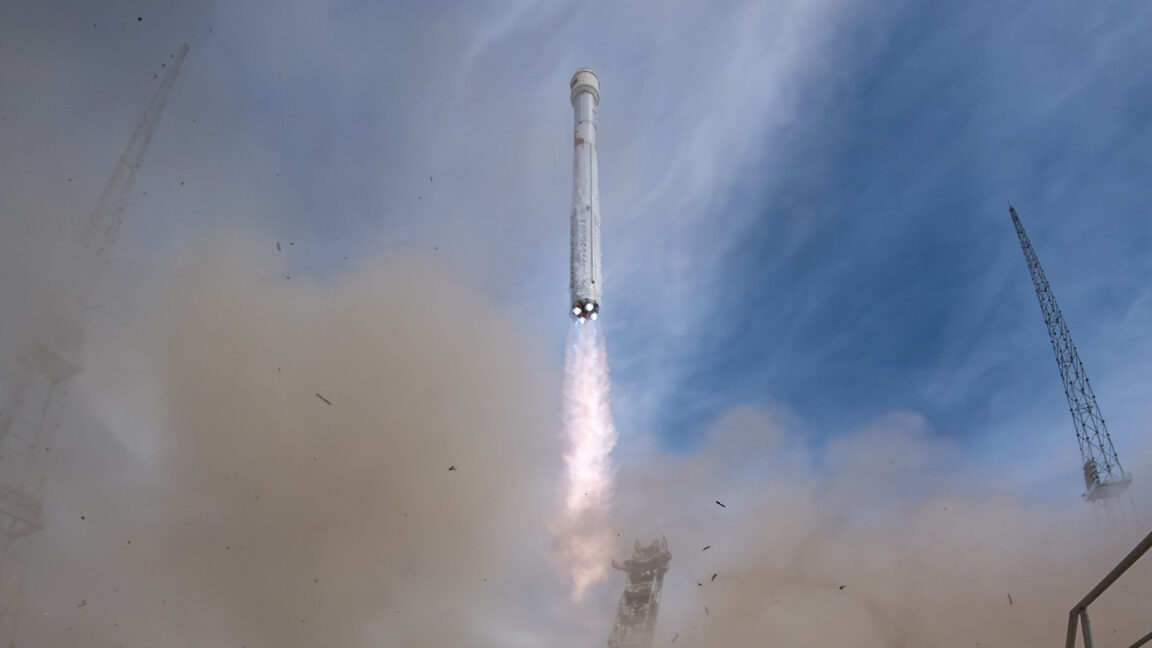
Russia has announced the successful test of its RS-28 Sarmat intercontinental ballistic missile, with President Vladimir Putin confirming the weapon will enter operational deployment later this year. The launch, conducted from the Plesetsk Cosmodrome in the Arkhangelsk region, reportedly struck its target at the Kura test range on the Kamchatka Peninsula approximately half an hour after liftoff. The RS-28 Sarmat, known to NATO as the SS-29 Satan II, is a silo-launched, liquid-fuelled heavy ICBM designed to replace the Soviet-era R-36M2 system and defeat ballistic missile defences.
This announcement marks a significant, albeit unverified, milestone for a programme with a volatile testing history. While the first successful test occurred in 2022, subsequent attempts in early 2023 and late 2024 ended in failure, with the latter resulting in the destruction of the test silo at Plesetsk. The Kremlin’s assertion of success comes as global attention remains fixed on the strategic implications of Russia’s nuclear modernisation efforts.
In the commercial sector, SpaceX is preparing for the 12th launch of a full-scale Starship and Super Heavy booster, with the upgraded Version 3 set for its first test flight on Tuesday, May 19. The launch will take place from Starbase in Texas, where ground crews have completed propellant loading and hardware installation for the flight termination system. This iteration is taller and more powerful than previous versions, with engineers targeting in-orbit refueling capabilities essential for future lunar missions under NASA’s Artemis programme.
Simultaneously, the Indian space industry is poised for a major commercial breakthrough. Skyroot Aerospace, a Hyderabad-based startup valued at $1.1 billion following a $60 million fundraising round, is nearing its first orbital launch with the Vikram-1 rocket. Co-founded by former Indian Space Research Organisation engineer Pawan Kumar Chandana, the company utilises a three-stage solid-fuelled vehicle capable of placing up to 0.5 metric tonnes of payload into low-Earth orbit. This development follows the Indian government’s 2020 policy shift allowing private industry to build and launch rockets.
Further afield, the National Reconnaissance Office revealed that its proliferated satellite constellation, now exceeding 200 satellites developed in partnership with SpaceX and Northrop Grumman, is supporting the Ground Moving Target Indication mission. This shift moves battlefield oversight from retired aircraft to space-based sensors. Meanwhile, NASA has adjusted its Artemis III mission to take place in low-Earth orbit in 2027, preserving critical propulsion hardware for subsequent lunar landing attempts.
