Space Force triples launch contract value as Starship prepares for critical test
The US Space Force has increased the maximum value of its National Security Space Launch contract to $17 billion, reflecting rising demand for military satellite deployment. Concurrently, SpaceX readies Starship for its 13th test flight, Relativity Space expands Florida operations, and India’s Skyroot Aerospace achieves its first commercial orbital launch.
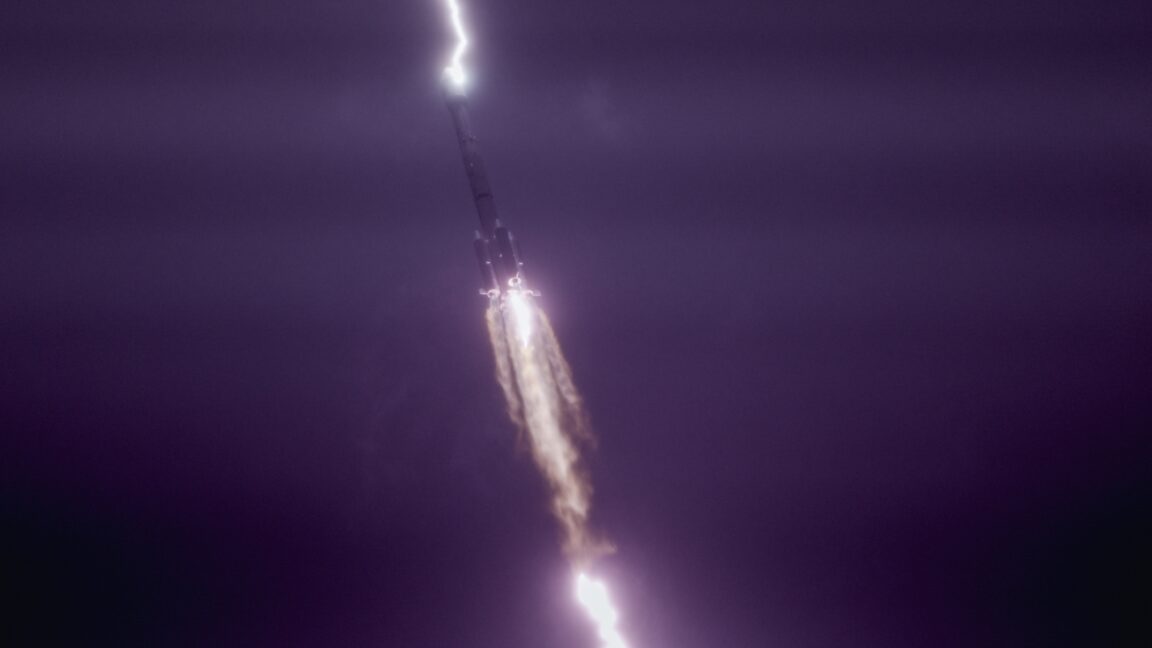
The US Space Force has significantly expanded its procurement framework for national security launches, tripling the maximum value of one segment of its National Security Space Launch (NSSL) Phase 3 contract to $17 billion. Announced on 17 July, the adjustment targets Lane 1, a subset of missions deemed more risk-tolerant by Space Systems Command. This increase brings the combined maximum value of Lane 1 and Lane 2 contracts to more than $30 billion, underscoring the Pentagon’s growing requirement for reliable access to space.
In the commercial sector, SpaceX is preparing for the 13th test flight of its Starship rocket at Starbase in Texas. The launch attempt follows a scrub on 16 July, when engine issues forced engineers to roll the booster back to its hangar to swap out two Raptor engines. With the vehicle returned to the pad, liftoff is scheduled for Friday evening, aiming for a controlled splashdown in the Indian Ocean and the first deployment of Starlink V3 satellites on a Starship test flight.
Manufacturing capacity is also expanding, with Relativity Space announcing plans to construct a second rocket factory near Cape Canaveral, Florida. The facility, potentially located in Titusville, will support the Terran R programme and is expected to create thousands of jobs by 2034. The company’s current operations remain in Long Beach, California, but the Florida expansion aims to scale production for commercial, scientific, and national security missions.
Internationally, Skyroot Aerospace marked a milestone for India with the successful orbital launch of the Vikram-1. The rocket, described as India’s first fully commercial satellite launcher, reached an orbit approximately 280 miles high after liftoff from Sriharikota Island. Despite a last-minute technical delay, the flight proceeded without issue, positioning the modestly sized vehicle as a significant entrant in the small satellite market.
Policy and infrastructure developments are also evolving, with the US Interior Department seeking public input on repurposing inactive offshore oil platforms for rocket launches. This initiative aims to alleviate congestion at existing spaceports and enhance the resilience of national space transport infrastructure. Meanwhile, NASA continues stacking operations for the Artemis III mission at Kennedy Space Center, progressing toward fueling tests by year-end.
