Space Force awards SpaceX $2.29 billion contract for military data network backbone
The Pentagon’s primary procurement arm has selected SpaceX to build the core of the new Space Data Network, aiming to deliver a fully operational prototype by the end of 2027.
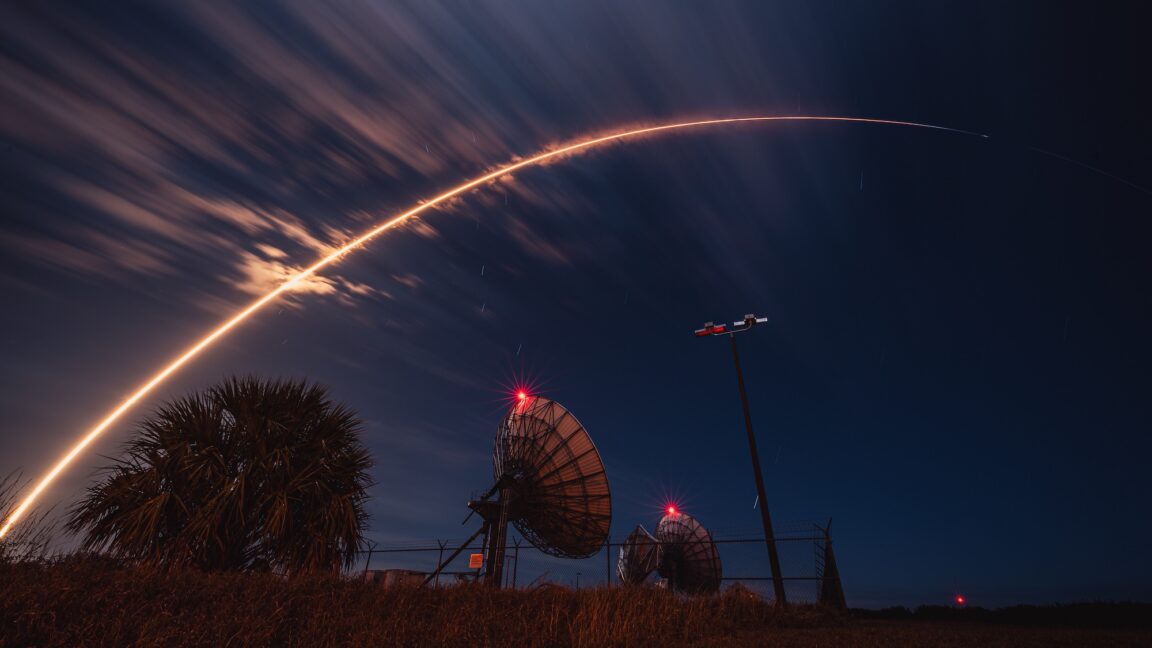
The US Space Force has awarded SpaceX a $2.29 billion firm-fixed-price contract to construct the backbone of the Space Data Network (SDN), a low-Earth orbit communications system designed to distribute military targeting and sensing data. Announced by Space Systems Command on Tuesday, the agreement marks a significant shift in Pentagon strategy, replacing data transport initiatives previously managed by the Space Development Agency (SDA) that had encountered substantial delays.
The SDN Backbone will utilise technology derived from SpaceX’s Starlink global internet constellation and its Starshield military platform. According to Space Systems Command, the network will employ an optically interconnected mesh of satellites to provide worldwide tactical communications and broadband services. This architecture is intended to serve as a core communications layer for US Space Force war-fighting systems, ensuring that sensors and shooters remain connected globally and securely.
The decision follows a period of stagnation for the SDA’s original data transport strategy, which relied on a wide array of contractors including York Space Systems, Lockheed Martin, Northrop Grumman, and Rocket Lab. Military officials attributed delays in the SDA programme to supply chain bottlenecks and integration difficulties, with the Government Accountability Office also citing technical problems that slowed development. The second Trump administration’s budget documents had previously proposed eliminating funding for the next tranche of SDA data transport satellites, signalling a move toward a more consolidated approach.
Despite concerns from lawmakers about reducing competition by awarding the backbone to a single vendor, Space Systems Command stated that the SDN will work with multiple vendors. The command plans to expand its participant base over the summer, potentially including companies such as Amazon. Lt. Col. Jeffrey Fry, the SDN Backbone system program manager, emphasised that the acquisition strategy is designed to foster competition and broaden the industrial base, asserting that the military is demanding both speed and scale.
SpaceX is required to deliver a fully operational prototype capability for the SDN Backbone by the end of 2027. While the Pentagon has not announced changes to the SDA’s separate missile tracking layer, which is designed to detect hypersonic threats, the transfer of the data relay backbone shrinks the SDA’s portfolio. This shift raises questions regarding the agency’s long-term future, even as SpaceX leverages its existing infrastructure of thousands of satellites to assume a larger role in direct combat support.
