South Korea market volatility nears record high after $13 billion foreign investor selloff
A $13.2 billion exit by overseas funds last week has pushed South Korean market volatility to near-record levels, coinciding with a broader retreat in US futures amid Middle East tensions.
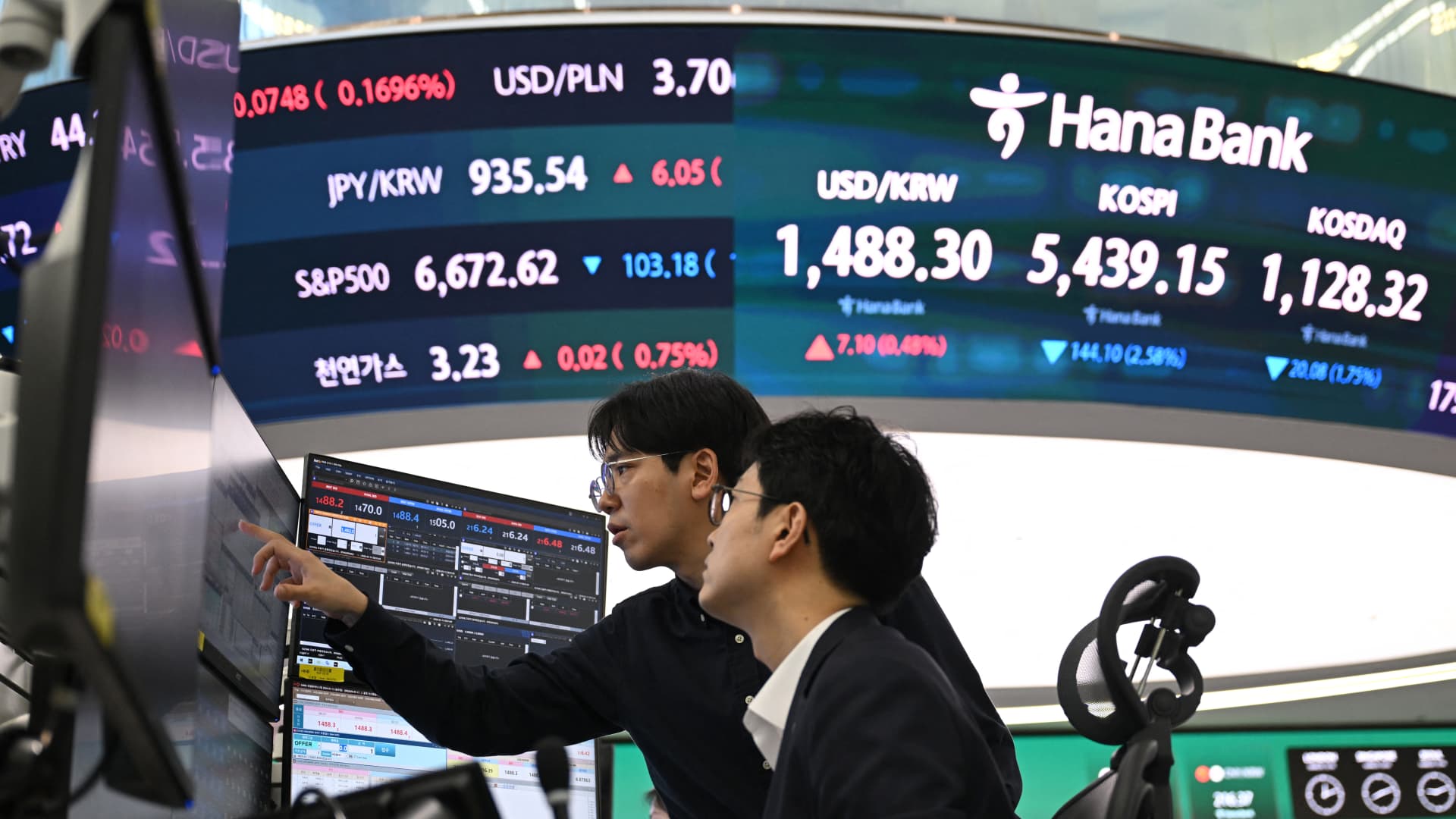
South Korea’s stock market volatility surged to near-record highs on Monday, following a significant divestment by foreign investors during the previous week. According to data reported by CNBC, overseas entities sold $13.2 billion worth of local equities, a move that has contributed to heightened instability in the region’s financial markets.
The sharp rise in volatility metrics arrived as market participants assessed the impact of the large-scale selloff. While the specific drivers behind the $13.2 billion exit were not detailed in the source material, the timing of the divestment has directly correlated with the recent spike in market turbulence observed on Monday.
This development in Seoul occurred against a backdrop of shifting sentiment in global markets. On Sunday evening, US stock futures retreated from record highs, with the Dow Jones Industrial Average falling approximately 0.2 per cent. The pullback in American markets was influenced by a dense corporate earnings calendar and escalating geopolitical tensions in the Middle East.
Despite the retreat in broader US futures, specific sectors saw continued institutional interest. Reports indicated that Amazon shares had risen 31.9% over the previous month, supported by strong fourth-quarter fiscal 2025 results that showed revenue of $213.4 billion and operating income of $25 billion. Additionally, institutional investors maintained heavy buying positions in NVIDIA shares amid positive earnings reports.
However, these movements in US technology stocks remain distinct from the events unfolding in South Korea. The primary focus for the Korean market remains the immediate aftermath of the foreign investor exit, with volatility metrics approaching historical peaks as traders digest the scale of the capital outflow.