Sony’s Spider-Noir series struggles to find narrative footing on Amazon Prime
The latest entry in Sony’s independent Spider-Man universe marks a departure from the animated Spider-Verse success, relying on hard-boiled tropes rather than innovative substance.
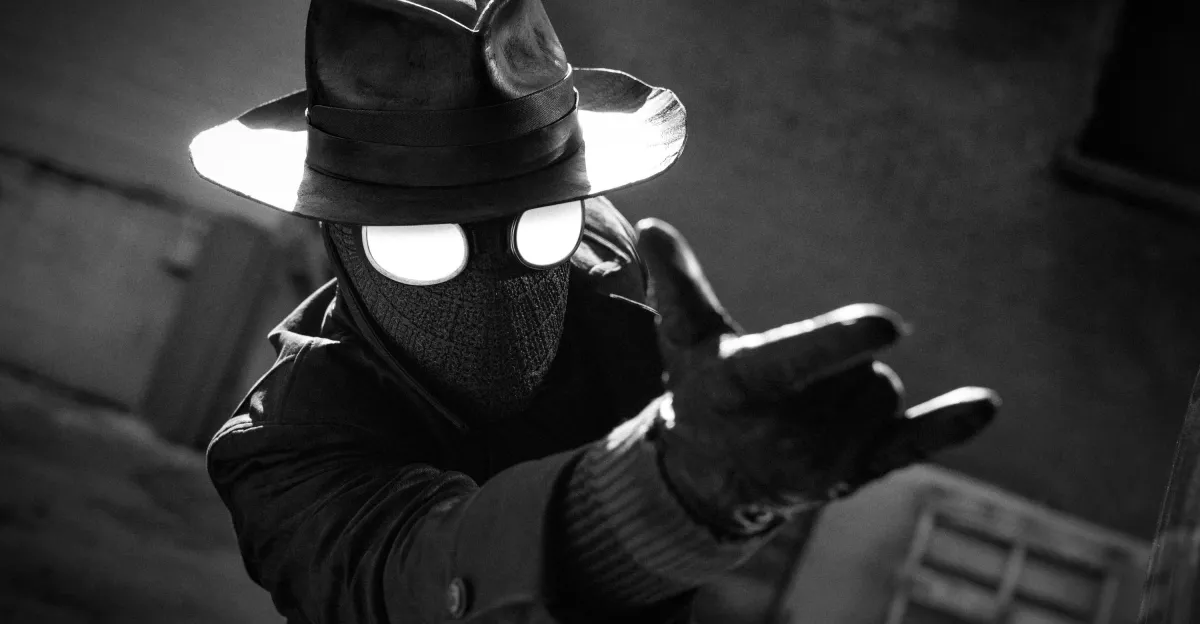
Sony has released its live-action series Spider-Noir on Amazon Prime, following an initial premiere on MGM Plus on May 25. The eight-episode series, available on Amazon Prime from May 27, stars Nicolas Cage as Ben Reilly, a vigilante turned private investigator operating within a black-and-white hard-boiled crime aesthetic. This release represents Sony’s latest attempt to expand the Spider-Man universe independently of Marvel, building on the brand’s history of adapting lesser-known characters from the comic book orbit.
The series functions as a tongue-in-cheek tribute to Golden Age hard-boiled crime dramas, offering viewers both a black-and-white original and a colourised version. The plot follows Reilly, who abandons his hero life following the tragic death of his girlfriend to work as a private investigator. He is aided by his secretary, Janet, played by Karen Rodriguez, who has witnessed his uncanny ability to sense danger and snap photographs over five years. The narrative centres on a case involving femme fatale Cat Hardy, mob boss Silvermane, and superpowered individual Flint Marko.
Critical reception has been mixed, with reviewers praising the show’s visual appeal while criticising its narrative depth. Critics note that the series lacks the substance of the previous Spider-Verse films and relies heavily on predictable tropes. Rather than offering a unique story, the show frequently leans into classic Spider-Man beats, including the familiar refrain of great power and great responsibility, which have been adapted multiple times before.
The casting of Nicolas Cage marks a significant shift from his role voicing Spider-Man Noir in the animated Spider-Verse films. In this live-action adaptation, Cage portrays a different character, Ben Reilly, described by some critics as an aging quipster attempting various impressions that lack believable chemistry with romantic partners. While Cage is noted as having fun with the role, the performance is viewed by some as an iffy imitation of classic cinema figures, contrasting with the atonal energy that made the animated character effective.
Sony’s broader Spider-Man universe has faced criticism for inconsistency, with varying levels of success in projects such as Venom and Madame Web. The 2018 film Into the Spider-Verse revitalised the brand through sumptuous visuals and imaginative storytelling, introducing characters such as Spider-Gwen and Spider-Ham. However, Spider-Noir shares very little with the 2009 Spider-Man: Noir comics or the animated films, leading some observers to suggest Sony is simply testing which elements of its library will resonate with audiences.
The series also features a supporting cast including Lamorne Morris, Abraham Popoola, Lukas Haas, Andrew Lewis Caldwell, and Jack Mikesell. Despite the production’s aesthetic charm and the star power of its lead, the consensus among critics is that the show feels like a messy pastiche of half-baked ideas rather than a fleshed-out character study.
The release serves as a reminder of the challenges Sony faces in maintaining a cohesive standalone universe. While the animated Spider-Verse films succeeded by embracing multiverse chaos and whimsy, Spider-Noir’s attempt at a straight drama is frequently undermined by cheesy humour and a lack of emotional detail. The series stands as a visually appealing but narratively weak entry in Sony’s ongoing efforts to capitalise on the Spider-Man name.
