Sony confirms PlayStation digital games do not require monthly license checks
Newly purchased titles receive a perpetual license following a single online verification, eliminating fears that games could become unplayable due to offline periods.
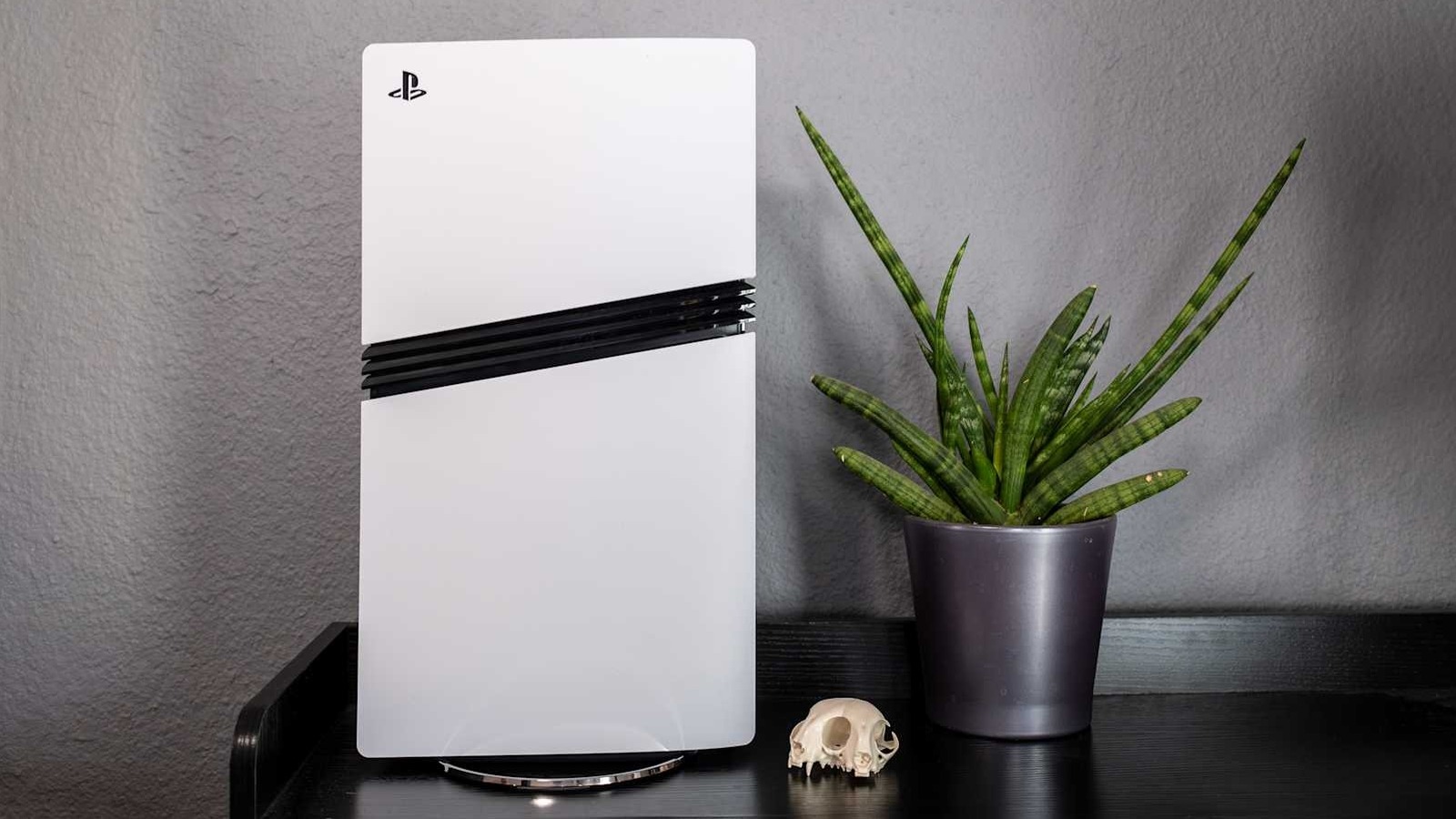
Sony has officially clarified that widespread rumours concerning a new digital rights management system requiring PlayStation game license checks every 30 days are false. The company confirmed that newly purchased digital games are granted a perpetual license after a single online verification upon purchase, meaning no further check-ins are needed. This announcement directly addresses concerns raised by console owners and preservationists who feared that monthly checks could render games unplayable if the system was offline for an extended period.
The clarification follows the circulation of screenshots posted on X that appeared to display a "Valid Period" length, which had fuelled speculation about a recurring timer. A Sony representative told Game File that players can continue to access and play their purchased games as usual. The specific mechanism involves a one-time online check after purchase to confirm the game's license; after this initial step, no further check-ins are required to maintain access to the software.
This development aims to alleviate anxiety among the community regarding game accessibility during periods of internet unavailability. Previous testing by gamers suggested that setting a PS4 or PS5 as the "primary" console did not override a perceived 30-day limit, leading to widespread concern that monthly DRM checks might become the norm. While the confirmation that no such checks will occur has been issued, Sony has not explicitly stated why the 30-day timer was initially put in place in the system updates or documentation.
The situation has evoked memories of the 2013 Xbox One launch, where Microsoft initially announced daily DRM check-ins before reversing course after significant public backlash. Some speculation within the gaming community suggested the timer might have been implemented to prevent exploits of Sony's 14-day window for digital game returns, though the company has not confirmed this rationale. Engadget has reached out to Sony for further comment regarding the specific reasoning behind the initial timer implementation, but no official explanation has been provided.
While the 30-day check is confirmed false, the article notes that Sony did not explain the origin of the timer, leaving the technical implementation details partially opaque. It remains unclear if the "Valid Period" seen in the screenshots was a temporary placeholder, a misunderstanding of the interface, or a feature that was disabled before full rollout. Despite these lingering questions regarding the internal logic of the update, the core functionality for consumers remains stable.
