Sonny Rollins, bebop colossus and jazz saxophone legend, dies aged 95
The saxophonist, who collaborated with Miles Davis and Thelonious Monk and received the National Medal of the Arts, has died at his home in New York
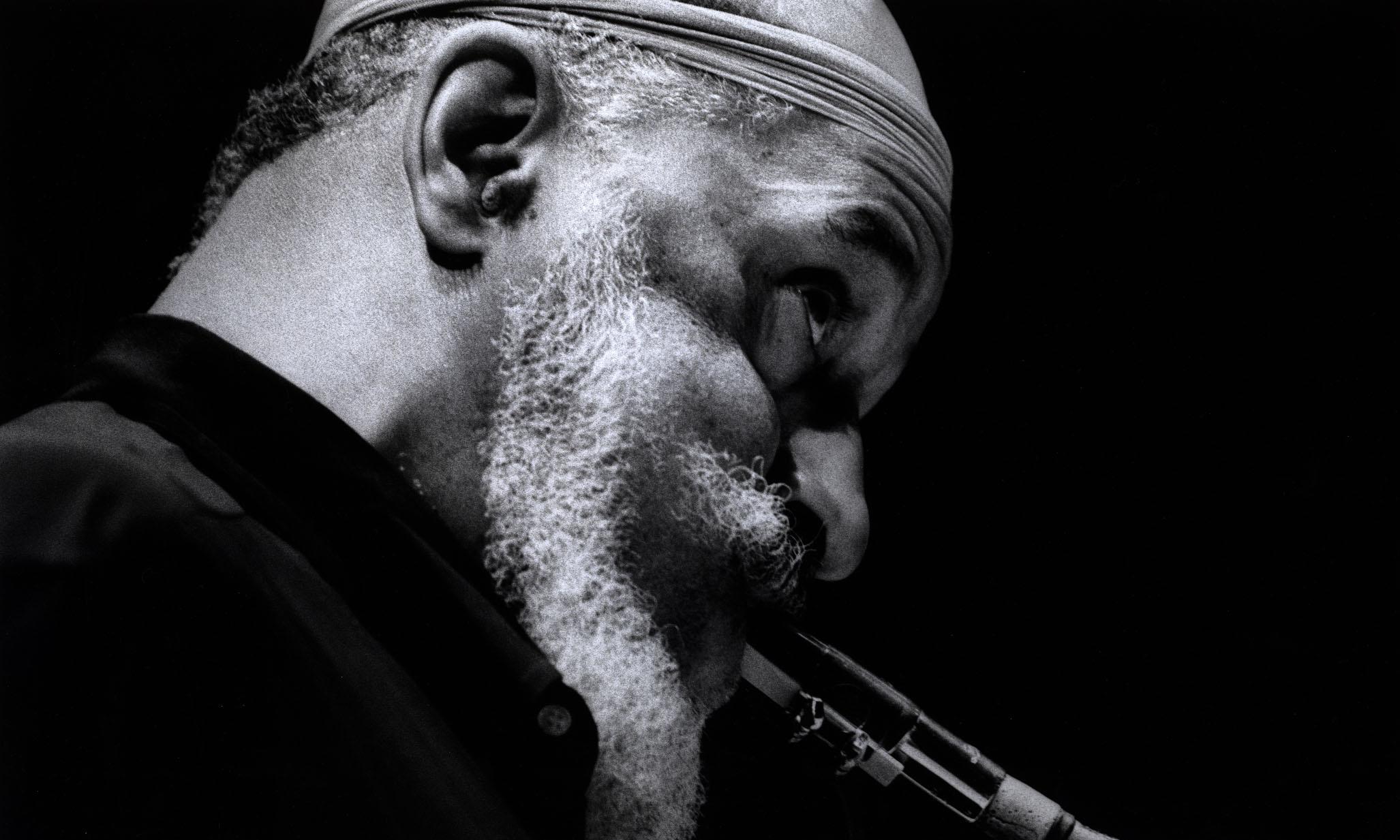
Sonny Rollins, widely regarded as one of the greatest jazz saxophonists in history, has died at his home in Woodstock, New York, aged 95. His death was confirmed by publicist Terri Hinte and announced on his website on Monday afternoon. No cause of death was provided, but the announcement included a statement from Rollins reflecting on mortality: “I think when the creative person ends, he continues in the next existence. I’m a person who believes this life isn’t the be-all and end-all of everything. A spiritual person doesn’t feel like that.”
Born Walter Theodore Rollins in Harlem in 1930, he became a leading figure of the bebop generation, helping to shift jazz from a predominantly dance form into startlingly expressive new territory. Renowned for his melodic invention, Rollins collaborated with icons such as Miles Davis, Thelonious Monk, and John Coltrane. Davis once described him as “a legend, almost a god to a lot of the younger musicians,” noting his aggressive and innovative approach. Saxophonist Branford Marsalis has called him “the greatest improviser in the history of jazz” alongside Louis Armstrong.
Rollins released over 60 albums from the late 1940s onwards, including landmarks such as *Saxophone Colossus* and *The Bridge*. His career was marked by periods of intense creativity interspersed with significant personal challenges. After being jailed for 10 months in 1950 for armed robbery related to heroin addiction, he underwent rehabilitation in 1955. This period of sobriety spurred an astonishing burst of artistic output, leading to the release of his debut album as a bandleader in 1953 and subsequent classics like *Way Out West* and *Freedom Suite*.
His commitment to his craft was legendary, particularly during a three-year hiatus from 1959 to 1962, when he practised on the Williamsburg Bridge to avoid disturbing neighbours. This period inspired his 1962 comeback album, *The Bridge*. Rollins also took a sabbatical between 1969 and 1971 to study yoga and philosophy at an Indian ashram. In 1981, he provided uncredited soloing for the Rolling Stones’ album *Tattoo You*, demonstrating his reach beyond traditional jazz circles.
The musician’s life was also defined by resilience in the face of tragedy. On 9/11, Rollins and his wife evacuated their home near the World Trade Center carrying only his saxophone. Three days later, he performed in Boston for a concert that won him a Grammy for best jazz instrumental solo. He received a lifetime achievement Grammy in 2004 and the National Medal of the Arts in 2010. Rollins retired in 2014 following a diagnosis of pulmonary fibrosis, having spent his final years reflecting on gratitude for his life as a musician.