Soldier Field Sellout Signals USMNT Momentum Ahead of 2026 World Cup
The US men's national team’s 2-1 defeat to Germany served as a strategic send-off, highlighting civic engagement and fan-centric policies for the upcoming tournament co-hosted with Mexico and Canada.
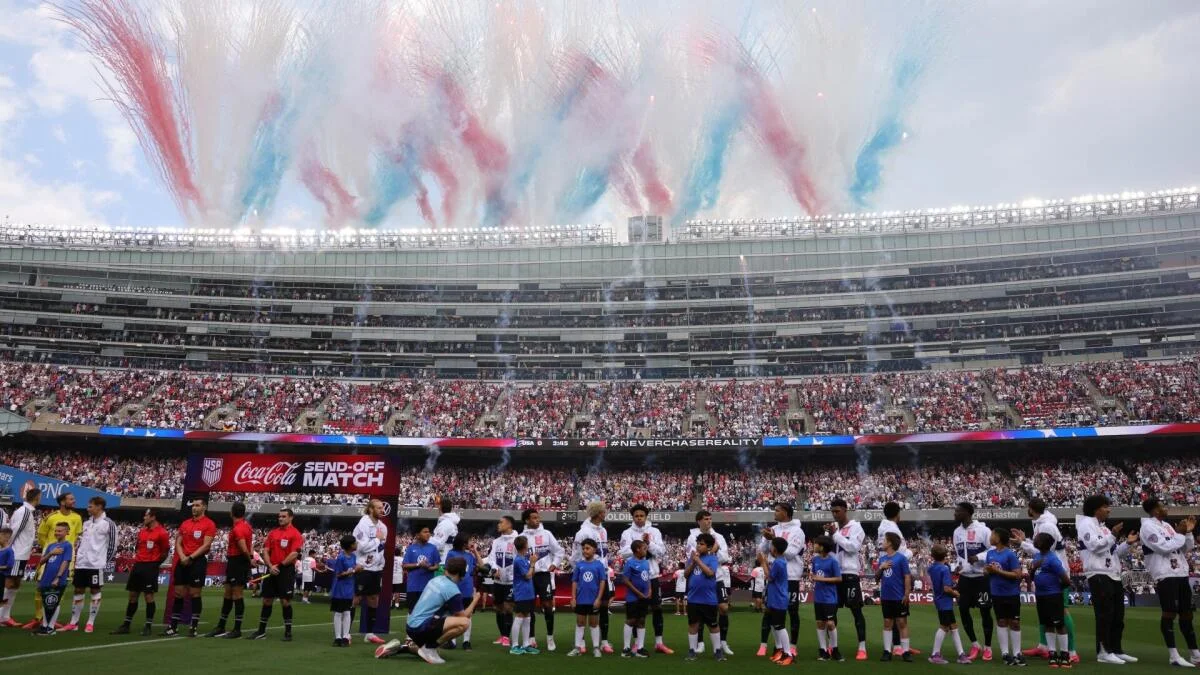
The United States men’s national football team concluded its final preparation phase with a 2-1 friendly loss to Germany at Soldier Field in Chicago on Saturday. The match drew a sellout crowd of 63,636 spectators, providing a tangible preview of the home-field advantage the USMNT may leverage when it co-hosts the 2026 FIFA World Cup alongside Mexico and Canada. Although Chicago is not an official host city for the tournament, the event was utilised to demonstrate the scale of civic engagement and fan support expected during the competition.
Germany established early dominance, scoring within the opening two minutes through Leroy Sane. The United States responded with resilience, with Antonne Robinson scoring an equaliser before halftime to level the contest. Germany ultimately secured the victory with a second-half goal from Sane, but the result was secondary to the logistical and cultural demonstration of the event’s capacity to host large-scale international fixtures.
The pre-match environment featured significant local integration, including a "Block Party" and tailgating activities that surrounded the stadium campus. U.S. Soccer invited the 1994 World Cup team to the event as a tribute to the opening match of that tournament. During the match, stadium operations incorporated Chicago-specific cultural elements, such as house music played by the DJ during hydration breaks and a CGI video of a bald eagle, referencing local sports traditions.
FIFA has recently adjusted its policies for the 2026 tournament in response to fan feedback, including a revised water bottle policy allowing one plastic bottle per attendee and revamped fan-centric pre-match ceremonies. The Chicago event served as a temperature check for these initiatives. Despite high ticket prices and logistical challenges for travelling supporters, the atmosphere remained electric, with fans from outside the region, such as American Outlaws member Eboni Christmas, travelling from North Carolina to support the team.
USMNT players emphasised the psychological value of the crowd over tactical outcomes. Midfielder Tyler Adams stated that the tune-up games were designed to build team cohesion and mentality rather than refine tactics. Defender Alex Freeman, the youngest player on the World Cup roster, described the support as a crucial motivation for the squad. The match underscored the USMNT’s readiness to capitalise on home support as they transition from preparation to the tournament proper.