Solar to lead global energy mix by 2035, but AI data centres sustain fossil fuel demand
While solar power is projected to become the world’s largest energy source by 2035 due to plummeting costs and Chinese manufacturing scale, data centres will continue to rely on fossil fuels for baseload power, with gas and coal expected to provide 51% of incremental generation for these facilities by 2050.
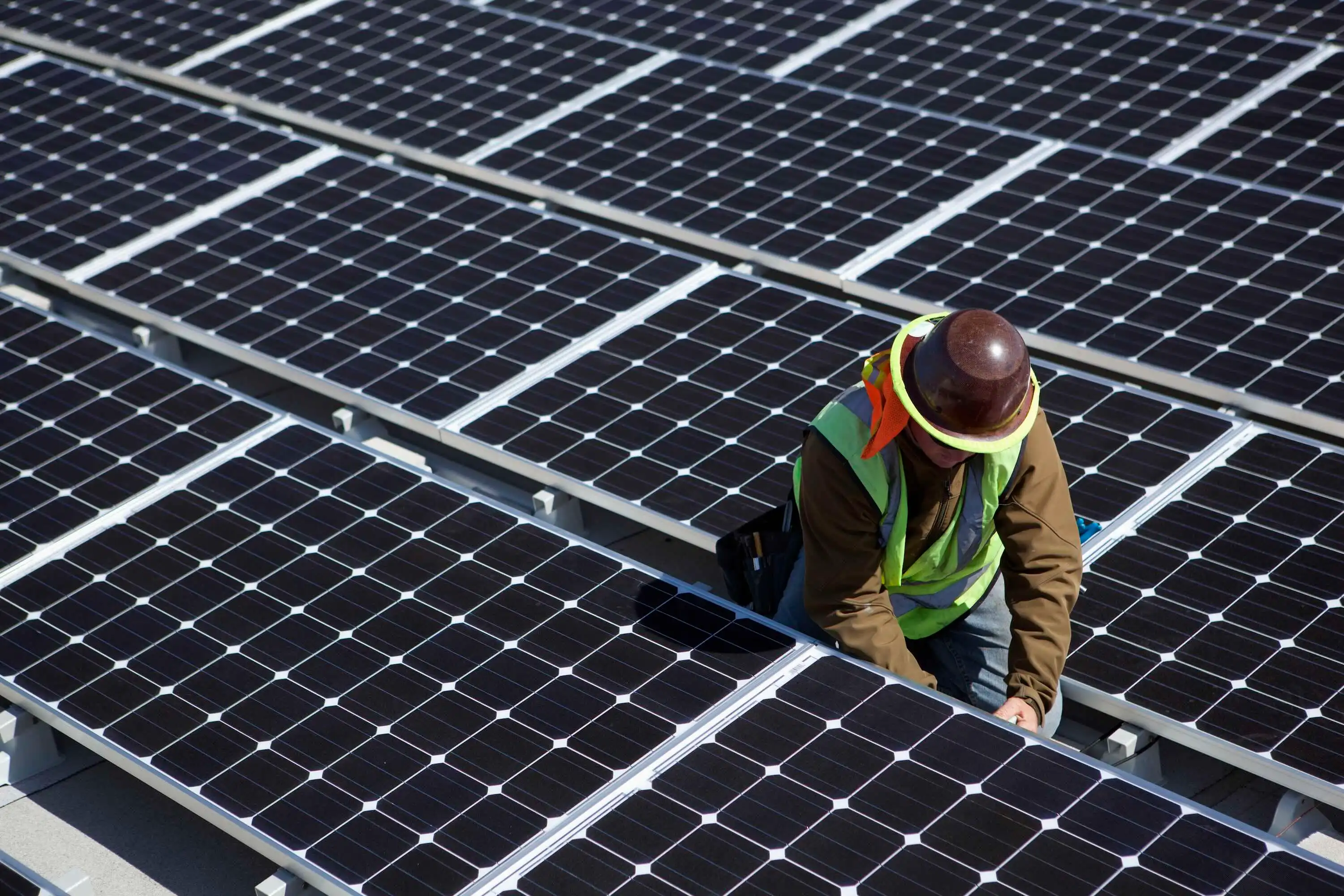
Solar power is forecast to surpass coal, oil, and natural gas as the largest global energy source by 2035, driven by a projected 30% reduction in panel costs and the efficiencies of mass manufacturing, according to a new report from BloombergNEF. The energy consultancy attributes the shift primarily to economic factors rather than regulatory mandates, noting that solar has become too cheap to ignore. China’s industrial policy has played a pivotal role in this cost reduction, with subsidies and state support flooding the market and accelerating production.
The transition is occurring alongside a historic rise in energy demand driven by artificial intelligence and the electrification of industries. Data centres are at the centre of this demand surge, with BloombergNEF’s data indicating they will drive an additional 1 terawatt of utility-scale solar, 400 gigawatts of solar, 370 gigawatts of natural gas, and 110 gigawatts of coal. Despite the dominance of renewables in the overall mix, the continuous operation required by these facilities ensures that fossil fuels remain critical.
Because natural gas and coal can operate 24/7, BloombergNEF expects these fossil fuels to provide 51% of incremental generation for data centres by 2050. This dynamic gives tech companies and data centre developers an outsized influence over which energy sources remain viable in the mid-century. The report highlights that while solar leads in total volume, the specific needs of AI infrastructure create a sustained market for carbon-intensive power.
Grid-scale battery installations are expected to nearly triple by 2035 to manage the surplus power generated by solar, following the installation of 112 gigawatts last year. The abundance of solar is already impacting profitability in markets like Spain and Italy, where standalone solar farms face challenges due to low daytime electricity prices. In response, developers are increasingly turning to hybrid renewable power plants that pair solar with batteries to capture higher evening prices.
Other technologies are also vying for a share of the data centre market, including long-duration energy storage, geothermal, and nuclear power. Google recently included $1 billion worth of 100-hour batteries from Form Energy in a data centre project, while geothermal and nuclear firms Fervo Energy and X-energy completed initial public offerings this month. The report also noted that an aggressive decarbonisation scenario driven by economics, rather than regulation, would allow every country, including Saudi Arabia, to significantly reduce its reliance on energy imports.
