Solar ETFs Hit Historic Valuations as Political and Macro Headwinds Persist
Analysts note a potential technical basing pattern, but structural challenges from Chinese oversupply and financing costs remain significant barriers to sector growth.
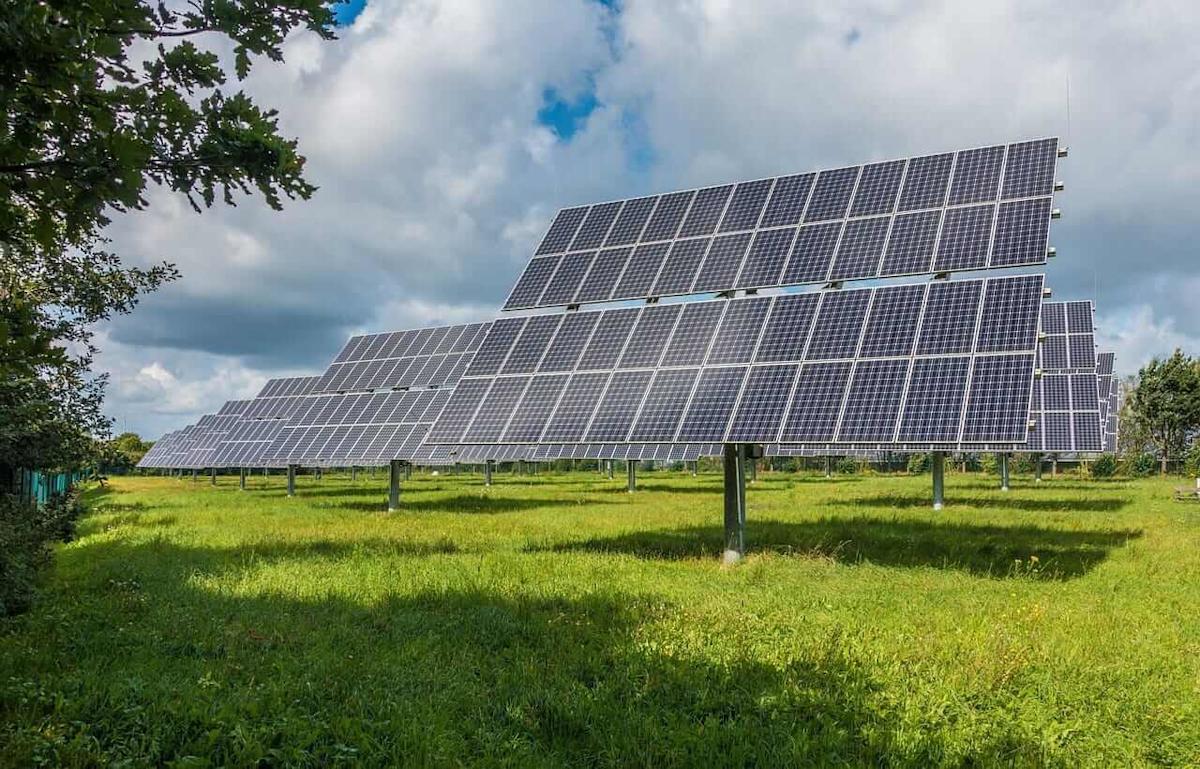
Solar exchange-traded funds have reached historically low valuations after enduring a significant price decline over the past five years. Despite long-term industry tailwinds, the sector currently trades at single-digit earnings multiples for some constituents, creating a statistical anomaly where funds like the Invesco Solar ETF have doubled in price recently while remaining down over a longer timeframe. This valuation reset marks a shift from the pessimism that has characterised the industry for two years, yet investment potential remains constrained by a complex mix of structural and political hurdles.
The primary macroeconomic headwind facing the sector is the prevailing high interest rate environment. With the Federal Reserve maintaining a policy characterised as higher for longer, financing costs for residential and utility-scale solar projects have increased substantially. This burden acts as a significant blocker for growth, particularly for companies that rely heavily on debt to fund their operations. Consequently, the cost of capital remains a critical variable that investors must weigh against the long-term benefits of the green energy transition.
Political uncertainty looms large over the immediate future of the industry, with the upcoming election cycle identified as the decisive factor. The fate of the Inflation Reduction Act tax credits, which currently support the sector, remains a primary variable for market sentiment. Although the actual risk of repeal is considered low, the political narrative surrounding the legislation continues to influence investor psychology and pricing, adding a layer of volatility to an already sensitive market.
Supply chain dynamics continue to exert downward pressure on margins, driven by oversupply from Chinese manufacturers. This global context sees alternative power adoption accelerating worldwide, a trend that predates recent geopolitical tensions, yet domestic hardware players face specific headwinds under the current administration. The combination of these global shifts and local supply pressures creates a challenging landscape for companies attempting to expand their market share.
From a technical perspective, the Invesco Solar ETF is approaching a key price level that has historically acted as a ceiling. Analysis suggests the fund is carving out a basing pattern with a series of higher lows, hinting at a possible intermediate-term rebound. While the ETF is described as a concentrated, high-volatility play compared to broader clean energy alternatives, this technical setup indicates that the market narrative may finally be catching up to the current price action.
Investors considering exposure to the sector are advised to distinguish between concentrated solar plays and broader clean energy trackers. While the pure solar ETF offers high volatility and concentration, other funds provide more conservative exposure to wind, hydro, and EV infrastructure. Ultimately, the sector's recovery depends on resolving these structural issues and political uncertainties, with the technical signals suggesting that a shift in the macro-environment could trigger a restoration of the industry to the watchlist.