SoftBank Unveils Roze AI to Automate US Data Centre Construction Amidst $100 Billion IPO Hopes
New entity Roze AI aims to deploy autonomous robots for server farm construction in the United States, with executives preparing for a second-half 2026 initial public offering.
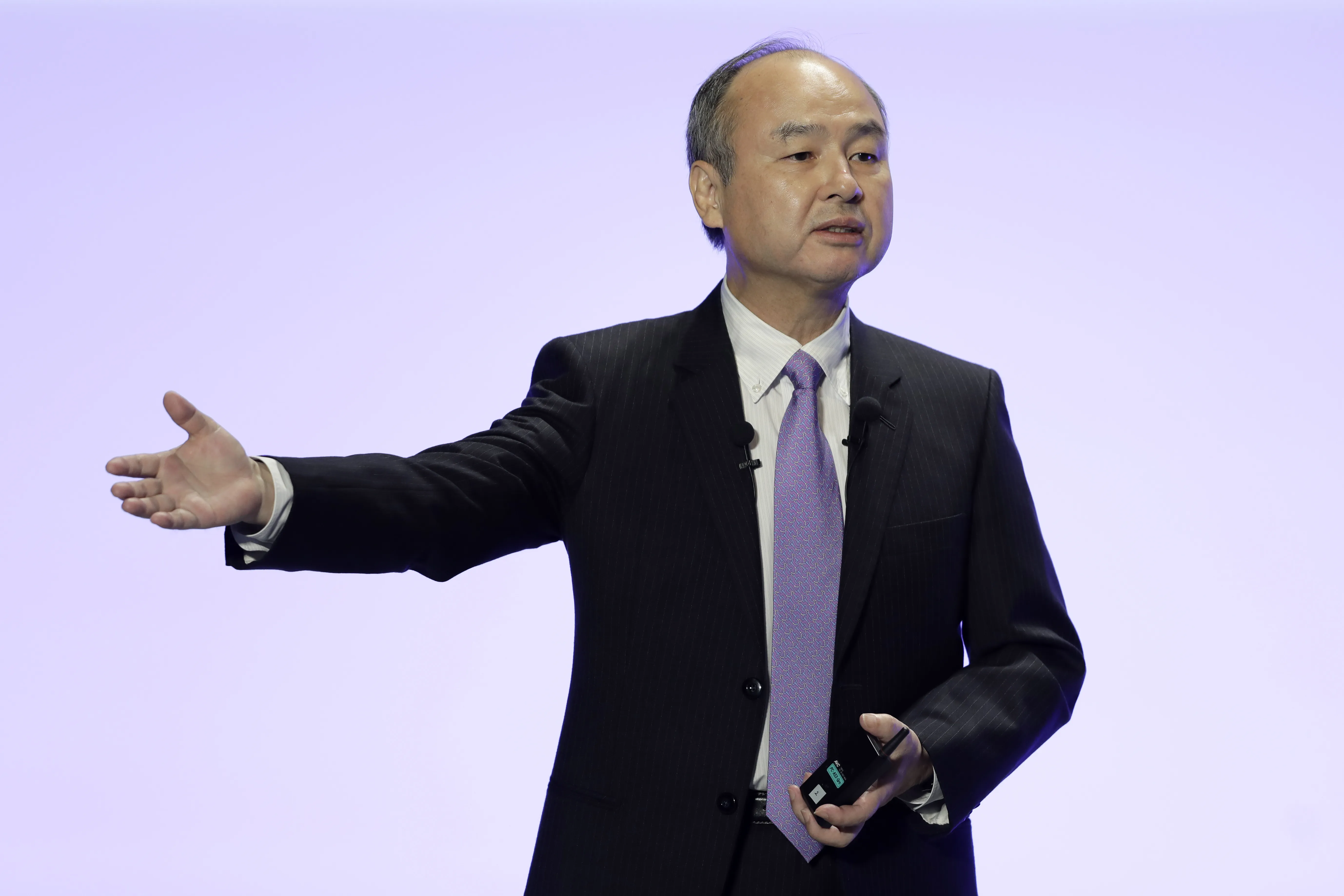
Japanese technology conglomerate SoftBank has announced the establishment of a new robotics entity named Roze AI, with a specific mandate to automate the construction of data centres and server farms across the United States. This strategic move seeks to address the critical infrastructure gap required to support the ongoing expansion of artificial intelligence and automation technologies. By deploying autonomous robots to build the very facilities that power these digital systems, the firm aims to significantly enhance construction efficiency in a sector currently characterised by intense global competition.
The new venture is being positioned for a rapid ascent into the public markets, with internal executives already preparing the company for an initial public offering scheduled for the second half of 2026. Reports indicate that the target valuation for this listing is ambitious, set at $100 billion. This aggressive timeline and valuation goal reflect SoftBank's broader strategy to capitalise on the surging demand for industrial capacity, even as the company navigates a complex history of high-profile investment successes and failures.
While the primary function of Roze AI is clearly defined as the mechanisation of data centre builds, the specific technical specifications of the autonomous robots intended for this task remain undetailed in current reports. The firm plans to utilise these machines to streamline the creation of server farms, yet the precise engineering solutions and logistical frameworks required to execute such a project on a massive scale have not been fully disclosed to the public or the financial community.
This initiative aligns with a wider trend among major technology figures attempting to modernise industrial sectors through advanced robotics and artificial intelligence. For instance, Amazon founder Jeff Bezos has recently co-founded Project Prometheus, which aims to acquire and upgrade firms in major industrial areas using similar AI-driven methodologies. SoftBank's entry into this space mirrors this broader industrial pivot, though it carries the weight of the conglomerate's past experiences with speculative ventures.
The shadow of SoftBank's previous investment track record looms over the new announcement, particularly regarding the firm's history with high-risk startups. The conglomerate is well known for backing numerous aggressive ventures, including the notable failure of Zume, an AI-driven pizza delivery startup that collapsed in 2023 after absorbing hundreds of millions of dollars in capital. This history of significant losses on dark horse ventures has led to a cautious outlook among some market observers regarding the sustainability of such rapid scaling strategies.
Despite the clear strategic intent, internal sentiment surrounding the Roze AI project appears mixed. Some insiders within the organisation have expressed scepticism regarding both the proposed $100 billion valuation and the proposed speed of the 2026 listing timeline. These concerns highlight the uncertainties facing the venture, including potential regulatory hurdles and the massive capital expenditure required to fund such an operation given the company's recent investment history.
As SoftBank moves forward with Roze AI, the market will be watching closely to see if the conglomerate can successfully translate its vision of automated infrastructure into a profitable reality. The coming months will be critical in determining whether the firm can overcome the logistical and financial challenges inherent in building a robotics company that constructs the infrastructure for the robotics industry itself.
