SoFi shares tumble 13 per cent despite record revenue as banking-as-a-service unit falters
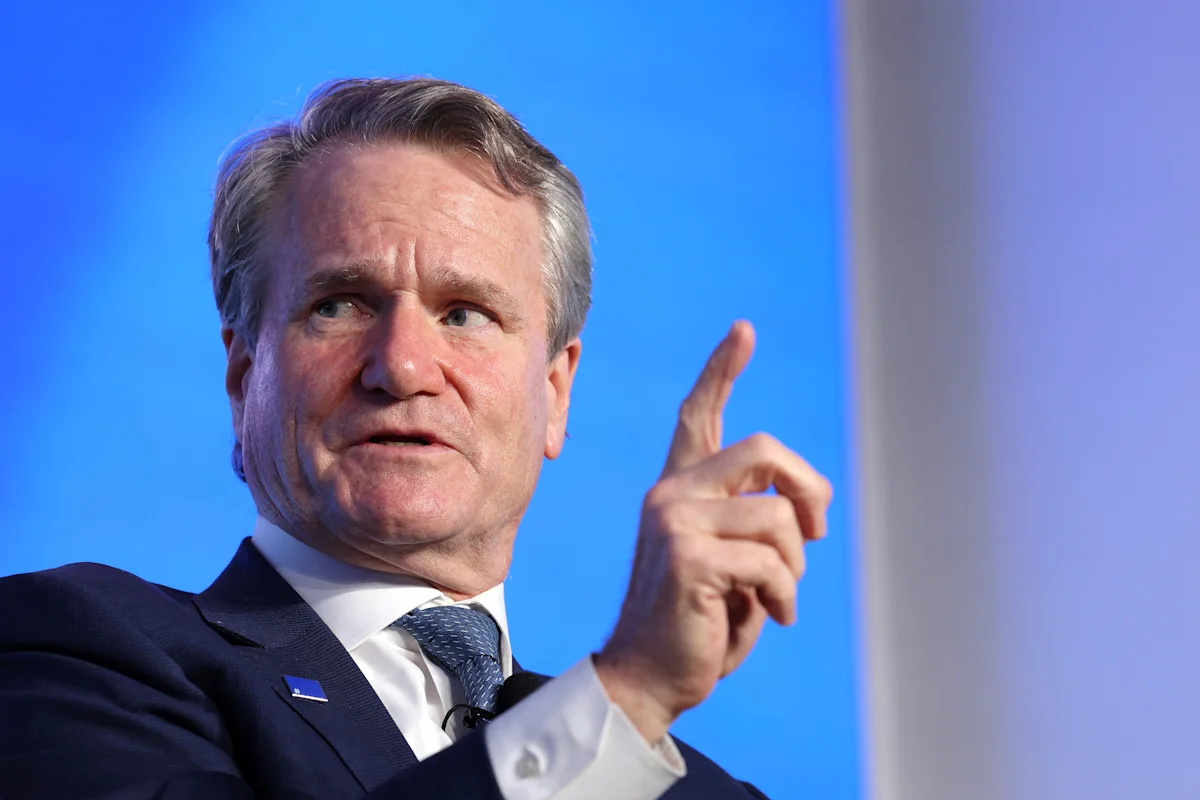
CEO Anthony Noto defends top-line growth while Wall Street weighs concerns over credit risk and activist short seller allegations
SoFi Technologies shares fell as much as 13 per cent in early trading following a quarterly earnings report that revealed mixed results for the financial services firm. While the company reported record adjusted net revenue of $1.1 billion, representing a 41 per cent increase, the stock price dropped sharply due to a significant decline in its technology platform segment. Revenue from this banking-as-a-service unit slumped 27 per cent to $75 million, a move the firm attributed to a major client, Chime, fully transitioning off the platform before the end of the previous year.
The divergence between the company's overall financial performance and its stock valuation was further exacerbated by a miss in fee-based revenue. This segment, which includes the firm's investing platform and credit cards, rose 23 per cent to $387 million but failed to meet analyst forecasts of $405 million. Despite these specific shortfalls, CEO Anthony Noto characterised the top- and bottom-line growth as remarkable during the earnings call, noting that adjusted EBITDA beat expectations by rising 62 per cent to $340 million.
Concerns regarding the sustainability of the technology revenue stream have been compounded by the broader regulatory environment. The firm is operating within a financial sector actively encouraged by the Trump administration to deregulate banking and financial services. While competitors like Robinhood also saw their shares slide recently due to a slump in crypto trade fees, SoFi's primary headwind remains the loss of its large infrastructure client, which has left the market questioning the stability of its BaaS model.
Credit risk remains a focal point for investors and analysts, with the company reporting higher net charge-offs in student and personal loan categories during the quarter. However, the overall net charge-off ratio improved to 2.07 per cent from 2.37 per cent in the prior year, supported by a 38 per cent growth in total average loans. Proceeds from core lending offerings surged 55 per cent to $642 million, driven largely by partnerships with private credit lenders such as Blue Owl Capital and Sixth Street, which provide capital for loan originations.
The earnings release has reignited tensions with activist short seller Muddy Waters, which disclosed a short position in March alleging aggressive accounting and off-balance-sheet structures designed to hide credit risk. SoFi has firmly denied these claims, stating the findings are intended to deceive investors and indicating an intent to explore potential legal action. Analyst Andrew Jeffrey from William Blair expects share price pressure in the near term, citing the revenue miss, an uptick in charge-offs, and management's decision not to revise its revenue outlook higher.
SoFi's stock has already fallen 30 per cent year to date following a peak last autumn, reflecting market caution despite the company's strong user base additions and profitability. The firm continues to target young, affluent professionals, with nonadjusted profits reaching $167 million or $0.12 per share, in line with Street expectations. As the company navigates these challenges, the market remains closely watching how it balances its lending growth against the volatility of its technology revenue streams.