Social media groups fuel misinformation in UK news deserts, report finds
Analysis of 125,000 posts across Facebook, X, and Nextdoor shows misinformation spikes around local elections, prompting calls for stronger regulatory frameworks and government action.
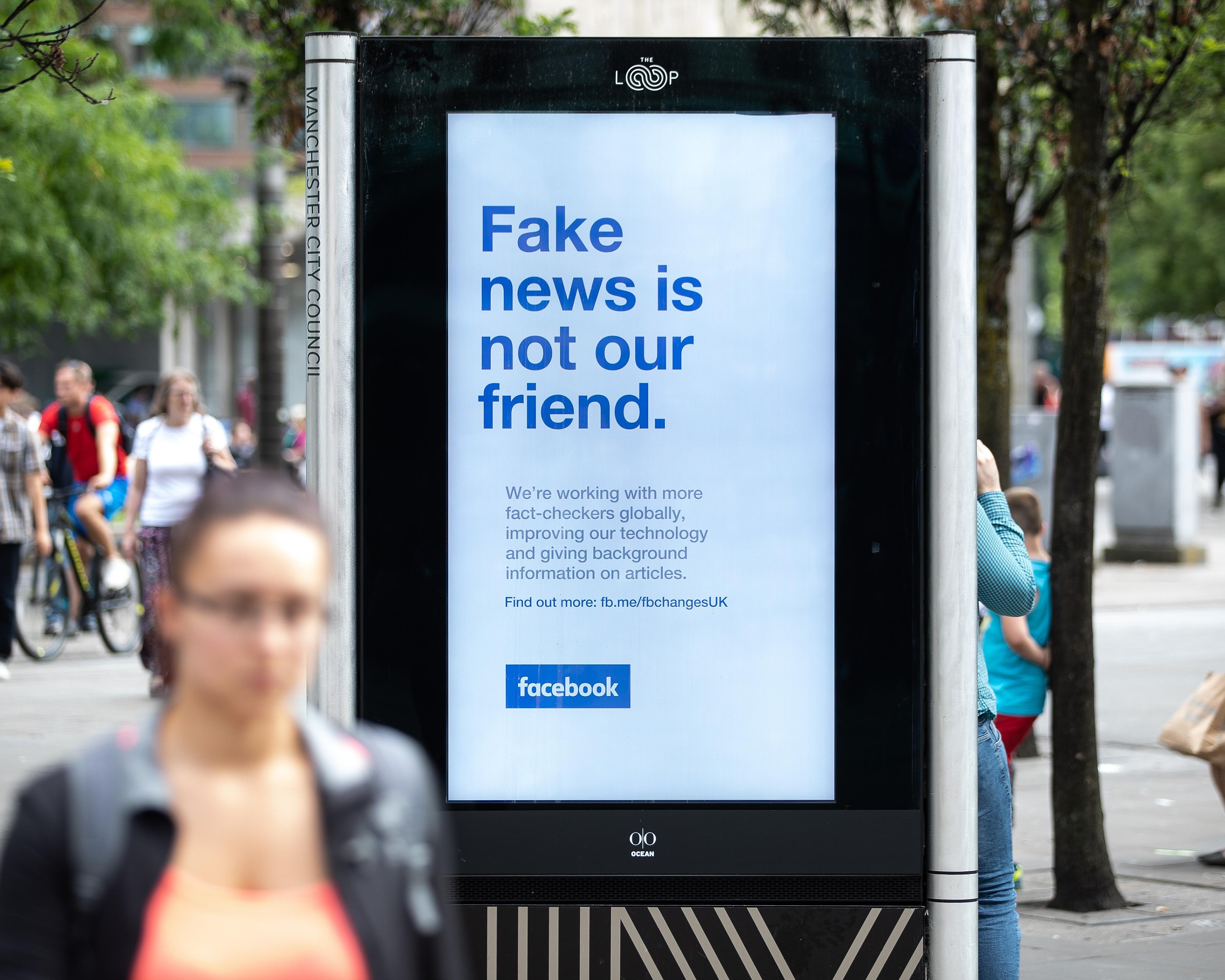
A study by the Social Market Foundation has identified a significant correlation between the decline of local journalism and the proliferation of misinformation on social media platforms across the United Kingdom. The investigation found that more than 4.4 million people reside in 'news deserts' where misinformation is nearly three times more common than in areas with reliable local news sources. The research, financially supported by the BBC, analysed over 125,000 posts across local Facebook groups, X searches, and Nextdoor communities in 95 randomly selected locations.
The analysis revealed that misinformation grew as a share of news posts by 56% in the run-up to polling day, increasing from 8.2% to 12.9% of all news posts. Spikes in fake news were particularly evident during local elections, with topics such as immigration and Islamophobia being prevalent in false content. In Gorton and Denton, south-east Manchester, misinformation was detected in three out of four local groups during a recent byelection, with 6.5% of news-related posts amounting to misinformation.
Specific examples of the false content included a claim that Birmingham council meetings had "stopped being conducted in English altogether" and a fake quote attributed to Reform UK candidate Matthew Goodwin stating: "Mancunians are thick." Other misleading posts involved false expansions of London’s congestion charge and claims to make the countryside "less white". The study described local online groups as "the silent killer of trust in Britain", noting that inaccurate forums are filling the void left by financially struggling local news outlets.
Platform-specific data showed that two in five local Facebook groups and more than four in five X searches featured at least one piece of misinformation in their most recent 1,000 posts. On X, the ratio of misinformation was more than one in four news-related posts, compared to nearly one in 26 on Facebook. The findings have led to immediate calls for action from senior MPs and media representatives, who argue that the government must implement stronger regulatory frameworks to protect the public and support trusted local journalism.
Chi Onwurah, the Labour chair of the science and technology select committee, said the findings were "deeply concerning" and urged ministers to embed core principles such as responsibility and transparency into the online safety regime. Meanwhile, the News Media Association highlighted the vital role of a strong local news sector in combating misinformation. While Meta and Nextdoor cited their existing policies on removing harmful content, X did not respond to requests for comment.