Social media DIYers turn cyberdecks into personal art projects
From purses to food containers, the trend moves away from rugged, cyberpunk aesthetics toward artistic, offline-focused devices powered by Raspberry Pi.
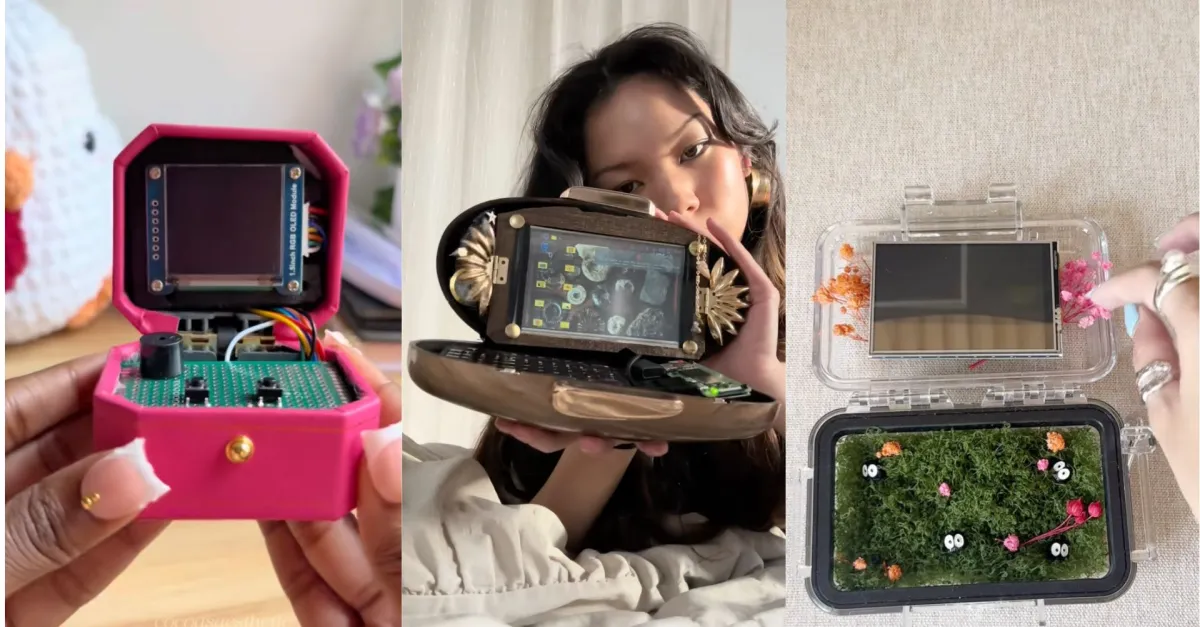
A growing movement on social media is redefining the aesthetic of cyberdecks, with DIY enthusiasts increasingly opting for unconventional enclosures over traditional laptop-like designs. According to reporting by The Verge, creators are constructing these single-board computer projects inside items such as purses, jewelry boxes, toys, and food containers, marking a distinct departure from the rugged, cyberpunk-style cases that previously dominated the space.
TikTok creator Annike Tan, known as @ubeboobey, has become a prominent figure in this shift after going viral earlier this year with a mermaid-themed cyberdeck housed inside an old purse. Tan, whose work has been featured in The Cut and Wired, has since upgraded that initial build and developed additional devices, including an MP3 player and a solar-powered unit. Her success highlights a broader trend where users are attracting millions of views by showcasing personal computers hidden within art projects.
The new wave of builds emphasises the use of recycled or thrifted materials, with the primary function of the device often taking a backseat to its artistic presentation. Inside these eclectic casings, the hardware typically consists of Raspberry Pi boards running mini Linux computers designed for specific, offline tasks such as reading, journaling, or listening to music. This functional simplicity allows the external design to become the focal point of the project.
Other creators are following suit with similarly creative interpretations. TikTok user @diypagancrafts, for instance, constructed a cyberdeck using a retro TV-themed purse, positioning the screen on the exterior while storing the Raspberry Pi, keyboard, and game controller inside. The variety of enclosures now in circulation is extensive, ranging from a Dunkin’ Donuts munchkin box and a Pokeball to an Altoids tin and a plastic box decorated with artificial moss and flowers.
This evolution represents a significant cultural shift within the maker community. While historical cyberdecks often utilised 3D-printed chassis or rugged cases like Pelican boxes to mimic portable computers, the current trend prioritises personal expression and whimsy. As long as an item provides sufficient space for a single-board computer and a screen, it is being repurposed into a unique, offline computing device.