SNP secures fifth Holyrood mandate as Labour concedes defeat citing UK government dissatisfaction
Early results show the SNP retaining key seats despite significant vote share declines, while Reform UK and the Liberal Democrats record notable gains in specific constituencies
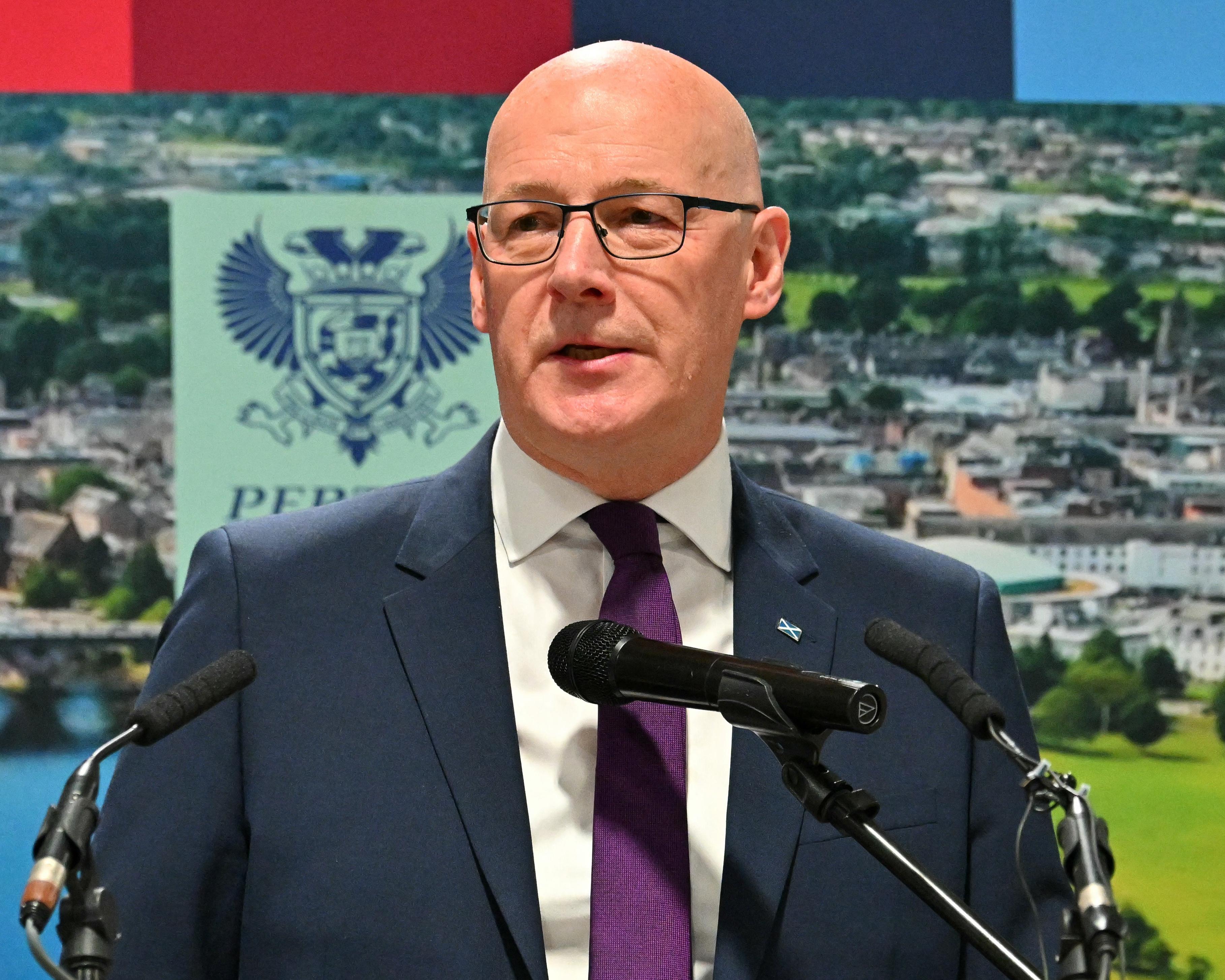
Scottish National Party leader John Swinney has declared victory in the Holyrood elections, asserting a mandate to form the next Scottish government following the party's fifth successive win. Speaking after securing his own seat of Perthshire North, Swinney expressed confidence that the SNP would emerge as the leading party, attributing the result to efforts to rebuild public trust.
Conversely, Scottish Labour leader Anas Sarwar conceded a comprehensive defeat, linking the outcome to widespread national dissatisfaction with UK Prime Minister Keir Starmer's policies. Sarwar stated that the campaign had ultimately failed to counter a national mood regarding welfare changes, the war in Gaza, and engagement with Reform UK's anti-immigration agenda, noting that the party was punished by a disillusioned electorate.
While the SNP retained key seats such as Dundee City West, the data indicates a significant erosion of support in several constituencies. In Kilmarnock and Irvine Valley, the party's vote share fell by 13 percentage points, and in Dundee City West, support dropped by 12.5 points despite holding the seat. This decline occurred even as the party maintained a plurality in these areas.
The election produced several unexpected results across the region. The Liberal Democrats secured Orkney with a record 70 per cent vote share, while the SNP won Shetland for the first time, ending a 27-year hold by the Liberal Democrats. Additionally, Scottish Labour achieved a surprise victory in the Western Isles, where Donald MacKinnon defeated the former SNP minister Alasdair Allan by just 154 votes.
Reform UK recorded its strongest showing to date, narrowly losing in Banff and Buchan Coast by 264 votes and finishing second in Carrick, Cumnock and Doon Valley at the expense of the Conservatives. The Liberal Democrats also saw their vote fall by 14.3 per cent in Shetland, damaging hopes for a broader revival among centrist voters.
Turnout was notably low in several Glasgow constituencies, with some areas recording figures as low as 43 per cent. This contrasts with the low 50s recorded in comparable seats during the 2021 election, underscoring the volatility of the electorate. The full count is expected to take place on a Friday, with the Scottish Greens bracing for shock results in their target seats.