Snap restricts public Spotlight access for users aged 13 to 15 amid safety scrutiny
The policy shift removes public metrics to reduce social pressure, following increased regulatory attention and ongoing litigation regarding child safety.
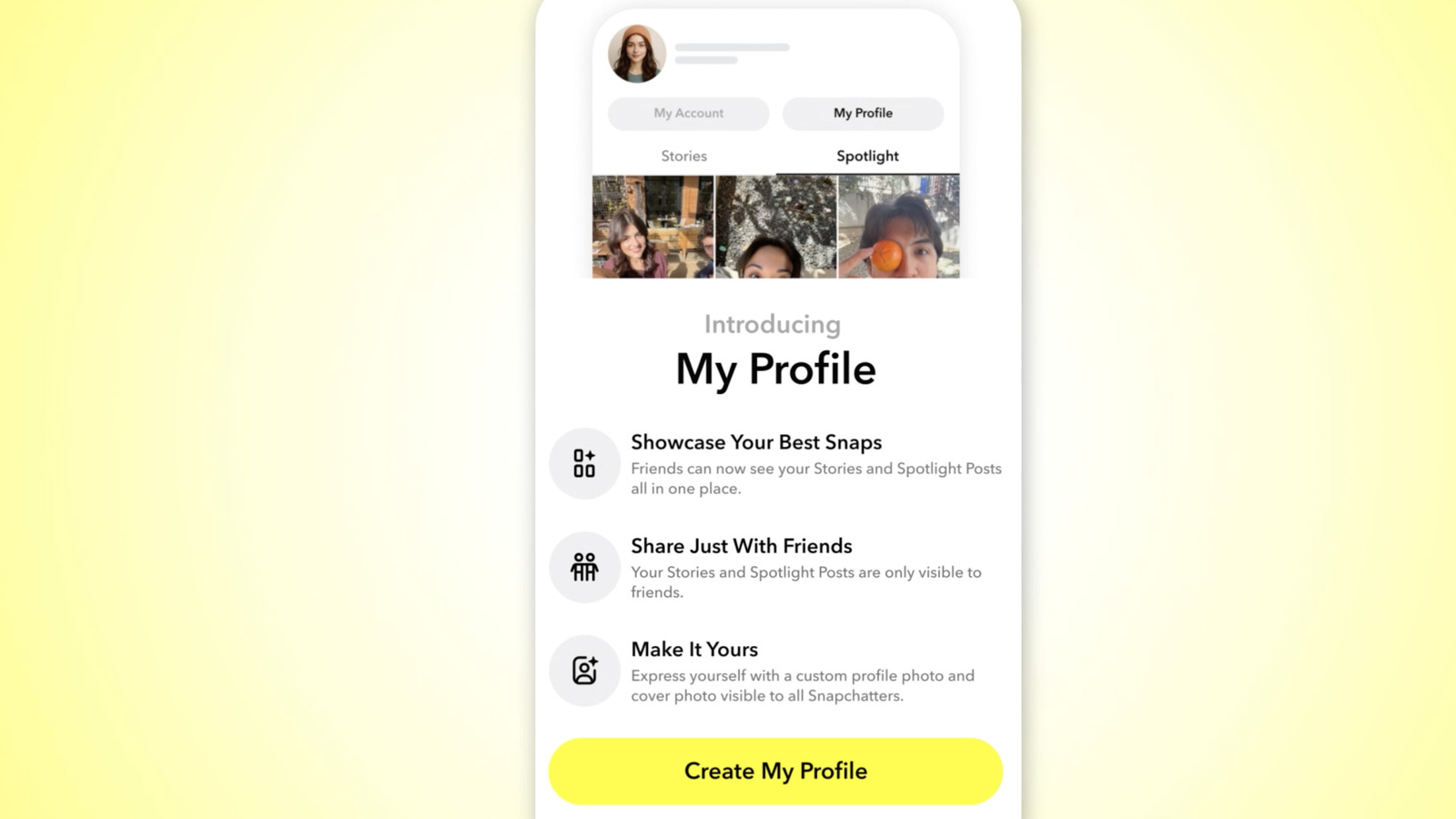
Snap has announced a significant adjustment to its Spotlight policy, restricting public visibility for users aged 13 to 15. The social media company will no longer permit younger teens to share content to the public version of Spotlight, the app’s primary hub for short-form video. Instead, these users will be directed to a new profile feature where their content is visible exclusively to mutual friends.
Previously, Snap allowed users as young as 13 to contribute to the public Spotlight feed, although their profiles were not linked to these public posts. The new structure ensures that Stories posts for younger teens are also hidden from non-friends within this restricted profile environment. This move effectively removes the ability for younger users to broadcast content to the broader app audience, a shift from the previous policy where public visibility was permitted.
Snap stated that the change is designed to encourage creativity and self-expression within a trusted audience. The company also aims to dial down the social pressure often experienced by younger teens by removing public metrics, such as favourites. By limiting the audience to mutual friends, the platform intends to create a more controlled environment for content creation among its youngest demographic.
The policy adjustment comes as Snap faces increasing scrutiny and numerous lawsuits regarding its handling of child safety and privacy. The company has spent recent years strengthening parental control features and implementing measures to make it more difficult for adult strangers to connect with teen users. This latest update represents another step in the company’s ongoing efforts to address concerns about the welfare of younger users on its platform.
Spotlight remains distinct from other parts of Snapchat, as its content is typically public and viewable by anyone in the app. While the specific timeline for the rollout of the new profile feature has not been detailed, the change marks a clear departure from the previous allowance of public contributions by users aged 13 and older. The impact of these restrictions on user behaviour and engagement metrics remains to be seen.
