Smoke from Canadian wildfires prompts EPA concern as insurers tighten wildfire coverage
With smoke and ash from Canadian wildfires impacting US air quality, residents face rising insurance exclusions in high-risk zones. Experts outline coverage gaps and alternative protection strategies for homes and vehicles.
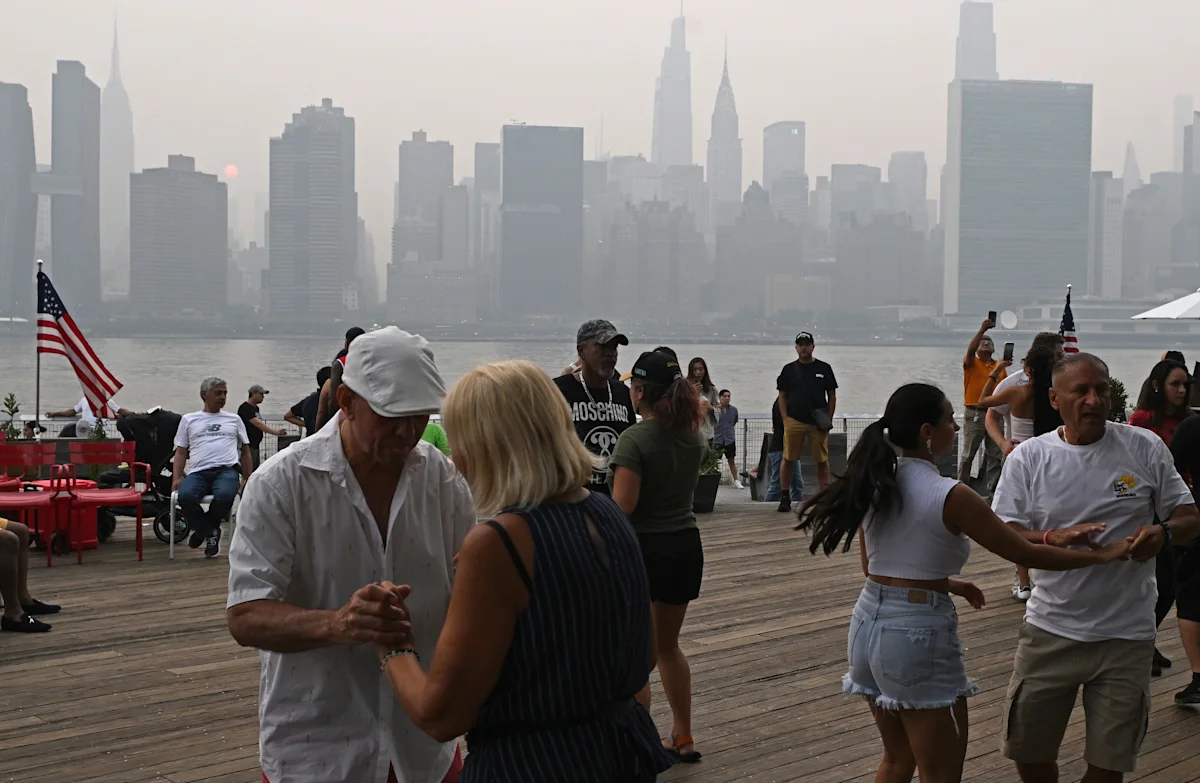
Smoke and ash drifting from Canadian wildfires have significantly degraded air quality across large areas of the United States, prompting EPA Administrator Lee Zeldin to express serious concern over the resulting health harms. While the fires themselves remain in Canada, the airborne particulates are causing what Zeldin described as great concern and harm across the US, affecting residents far from the actual burn zones.
This environmental shift is exacerbating existing pressures on the insurance sector, where carriers are increasingly excluding wildfire damage in high-risk areas. Many insurers are cancelling or refusing to renew policies for properties in regions prone to frequent wildfires, with some carriers ceasing to write new policies in these markets altogether. Consequently, homeowners in vulnerable zones are facing a shrinking pool of traditional coverage options.
For those unable to secure standard policies, alternative mechanisms such as Fair Access to Insurance Requirements (FAIR) plans and surplus or excess line (E&S) insurance are becoming critical. FAIR plans operate as state-run pools serving as insurers of last resort, typically offering lower limits at higher costs. Meanwhile, E&S carriers provide specialty coverage for high-risk scenarios that traditional insurers avoid, though these often come with higher premiums and distinct terms.
Regarding property protection, standard homeowners insurance may cover additional living expenses if a home becomes temporarily uninhabitable due to smoke, though policy terms vary widely. Some policies require special add-ons for high-risk areas, and coverage for minor smoke odor or specific exclusions must be carefully reviewed. Similarly, comprehensive car insurance typically covers wildfire and smoke damage to vehicles, whereas standard minimum coverage levels often do not. Routine maintenance, such as replacing air filters due to smoke, is generally excluded.
Residents are advised to take practical steps to mitigate health risks and protect assets. Recommendations include using portable air cleaners, wearing N95 respirator masks, and documenting any damage for potential insurance claims. Parking vehicles indoors and avoiding strenuous activities outdoors can further reduce exposure to the degrading air quality caused by the transboundary smoke.