Smart home giants raise subscription fees to fund AI pivot
Major technology providers are expanding artificial intelligence capabilities through new APIs and premium tiers, but rising prices have triggered consumer backlash and a shift toward local hardware.
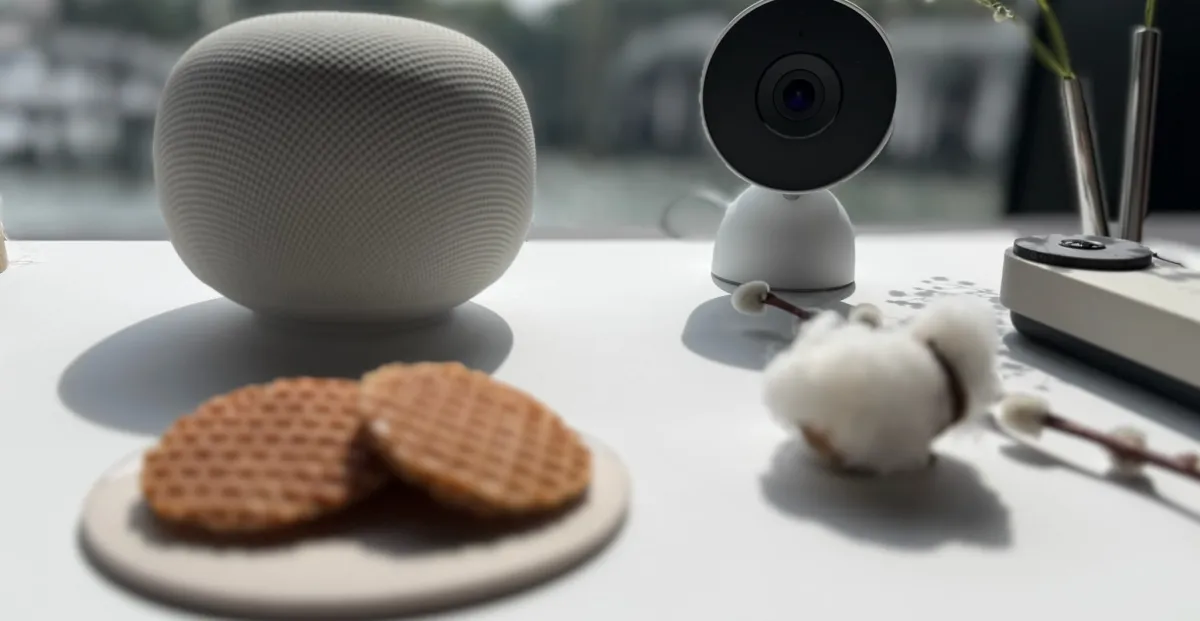
Major technology companies, including Google, Amazon, and Ring, are increasing subscription fees for smart home services to fund artificial intelligence features. Google is expanding its Gemini for Home APIs to allow third-party providers to integrate AI-driven functionalities, such as enhanced camera descriptions and natural language queries, into their own platforms. Despite these investments, consumer backlash persists due to 'subscription fatigue' and concerns over the actual value of current AI capabilities, which critics describe as improved computer vision rather than genuine intelligence. Prices for top-tier subscriptions from providers like Ring, Google Nest, and Arlo have risen sharply, with some doubling since 2021, while some consumers are shifting towards local, non-subscription-based hardware.
Google announced the expansion of its Gemini for Home APIs at Google I/O, enabling service providers and hardware manufacturers to build monetizable, proactive services. Third parties, including ISPs, wireless carriers, and home security providers, can now integrate Google Home Premium subscriptions and features into their own apps. Google is allowing third parties to build smart speakers and security cameras with Gemini built in, following Walmart’s example with its Onn cameras.
Ring has introduced a beta feature called 'Unusual Event Alerts' that notifies users only about things considered unusual, though this carries a risk of missing events. Amazon has introduced a $20 monthly charge for Alexa Plus for non-Prime subscribers. Subscription prices have risen significantly: Ring’s annual subscription doubled from $100 in 2021 to $200; Google Nest’s rose from $120 in 2021 to $200; and Arlo’s yearly camera-only subscription increased from $117 in 2021 to $216 in 2025.
Companies cite higher costs for 2k and 4k video processing and running computer vision models as factors in price increases, though these do not fully explain the price creep. Consumer backlash against features like Ring’s Search Party has led some users to shift towards local, non-subscription-based hardware to avoid monthly bills and cloud data concerns.
The push toward subscription models is part of a wider shift in the smart home, with companies hoping AI’s new capabilities may finally provide a sustainable revenue stream. However, the current iteration of these features is often described as enhanced computer vision rather than genuine intelligence, leading to questions about whether the increased costs are justified for consumers.