Smart glasses hardware reaches new heights but lacks compelling daily utility, say reviewers
A comprehensive assessment of the current market highlights significant friction points regarding AI effectiveness, privacy concerns, and repairability that hinder mass adoption.
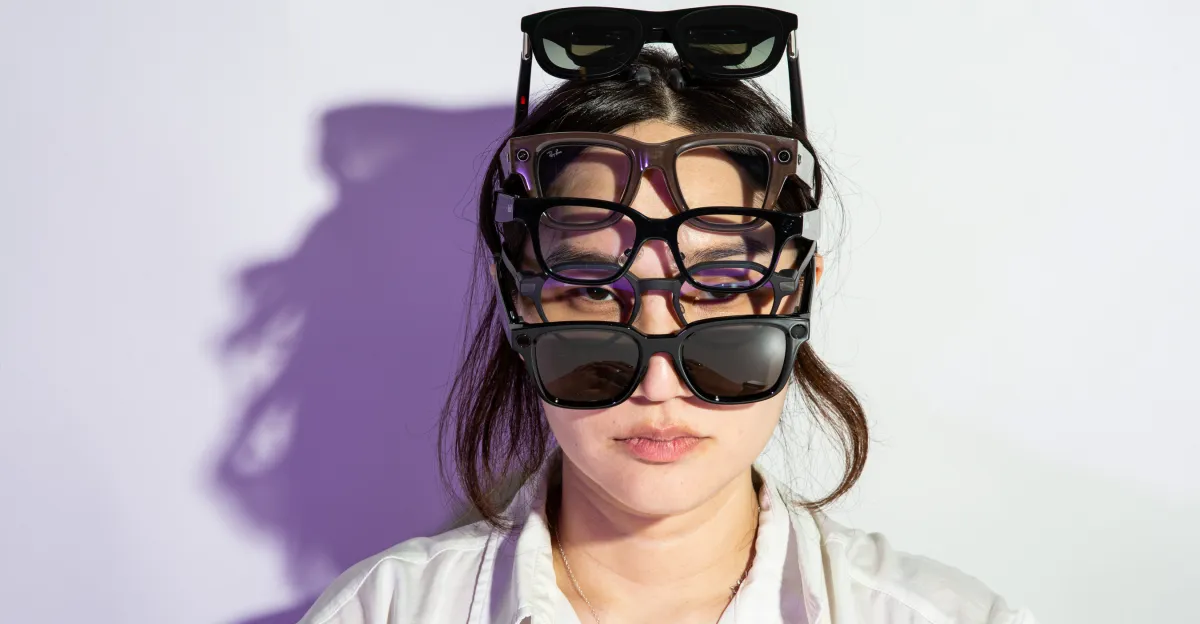
A recent review of the smart glasses market concludes that while hardware has reached new peaks in style, affordability, and capability, the technology lacks a compelling reason for all-day wear for the general public. Devices tested include the Even Realities G2, Meta Ray-Ban series, Rokid, and Oakley models, all of which represent the most advanced iterations to date. Despite these improvements, the primary friction point remains the disconnect between aggressive marketing of AI capabilities and the reality of their utility, which is often limited to basic tasks or niche scenarios.
The review identifies the Even Realities G2 as the only brand among those tested that confidently supports high prescription ranges, up to ±12 diopters, without issues, though bifocals remain unsupported. Meanwhile, a new iteration of the Meta Ray-Ban Optics has recently been released to address the long-standing barrier for users requiring vision correction. However, the market is currently flooded with numerous models, including budget options and various tech brands, making it difficult for consumers to distinguish between devices or find a clear use case.
Integrated AI features are frequently described as battery-draining, requiring quiet environments, or failing in real-world conditions. Advanced functions such as object identification and live captioning often struggle with poor connectivity or fail to perform in complex settings. While navigation and specific niche uses like sports recording offer some utility, the technology remains a niche product for business people and content creators rather than the average consumer.
Privacy concerns also present a significant hurdle to wider adoption. Users report growing social anxiety regarding hidden cameras, with concerns about accidentally recording strangers in public spaces. There is a distinct cultural friction where the "smart" aspect feels intrusive in social settings, contrasting with the discreet nature of traditional eyewear, and venues such as concerts and courts are already considering bans on such devices.
Furthermore, smart glasses are highlighted as having a critical "right to repair" deficit. Unlike smartphones, components like nose pads and screws cannot be easily replaced by users, and DIY repairs are often impossible due to integrated tech in the frames. This lack of repairability, combined with the high cost of replacement, means the devices are currently doomed to be niche products until supply chains can accommodate the countless permutations of face size and vision needs.
