Small batteries could provide extra capacity for power grids
Startups are placing batteries in e-bikes, food carts and appliances, with the aim of combining them to help meet demand when grids are under pressure.
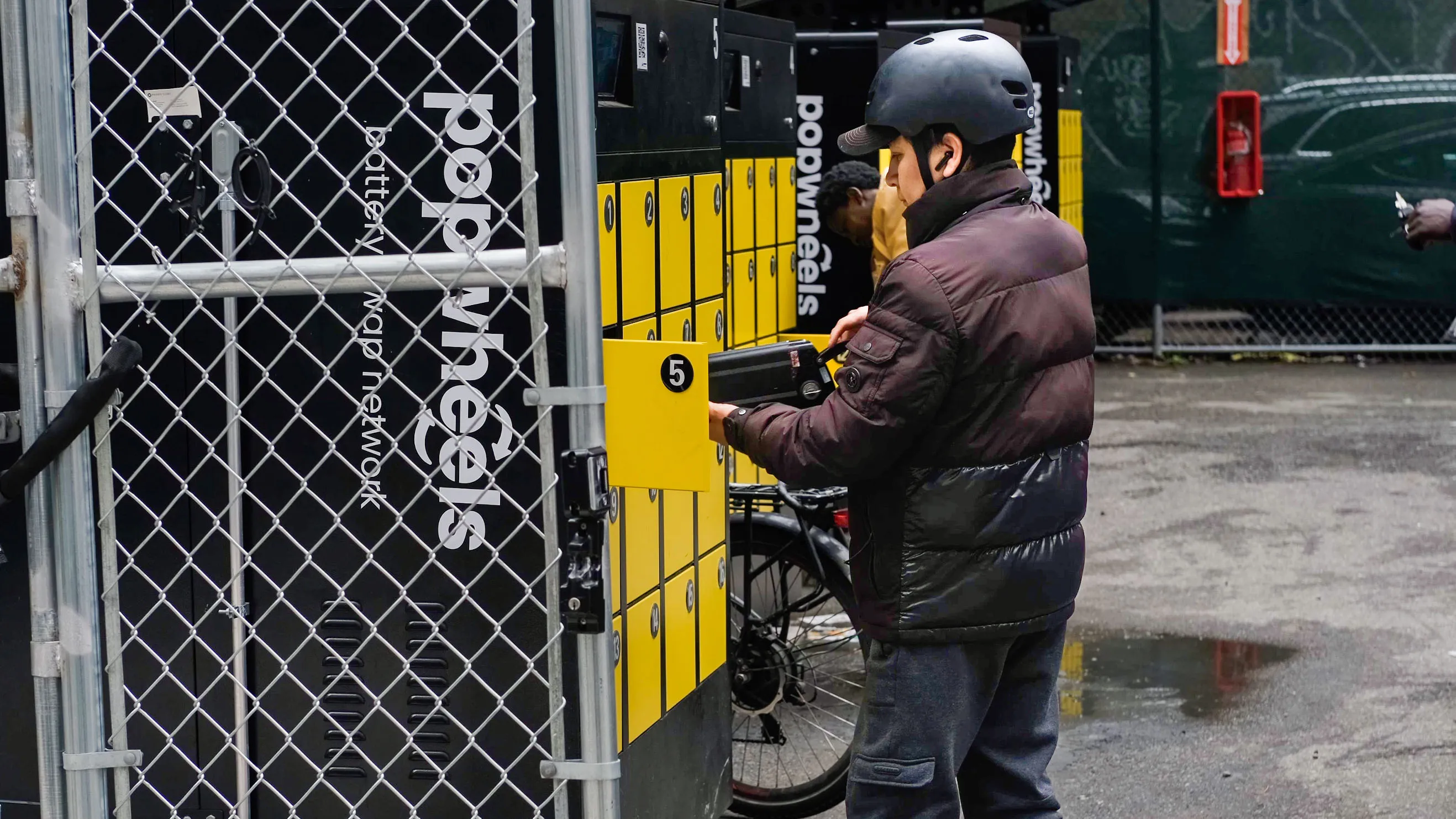
Startups are putting small batteries into devices and businesses, exploring whether many separate units could provide extra capacity when electricity grids are under strain. MIT Technology Review reports that the approach may also help customers cut energy costs or pollution, though the material does not quantify those outcomes.
PopWheels says it operates about 50 battery-swap cabinets across New York City, with roughly 2,500 batteries in circulation for delivery riders using e-bikes. The company has also begun supplying batteries to food carts, whose operators can use them instead of gas generators. PopWheels says about four batteries provide five kilowatt-hours, enough for roughly a day of operation for many carts.
Other firms are putting storage into household appliances and commercial buildings. Copper is developing induction stoves with integrated batteries that can provide backup during outages and may reduce the need for costly electrical upgrades. Every Electric offers batteries that plug into air-conditioning units, while David Energy targets businesses such as laundromats, parking garages and gyms.
Every Electric and David Energy say their programmes pay customers to reduce electricity use during periods of high stress on the grid. The companies’ small or appliance-integrated batteries may avoid some grid upgrades and extensive permitting required by larger projects, particularly in dense cities such as New York, where battery-fire concerns have also drawn community attention.
Aggregated devices could contribute capacity during grid stress, but the reporting provides no independent measurement of their grid contribution, reliability, customer savings or emissions effects. A much larger battery fleet could add substantial power: Copper’s chief executive says equipping every US stove with a battery could amount to tens of gigawatts, an illustrative estimate rather than a deployment forecast.
Smaller systems would complement, rather than remove the need for, large-scale storage. Utility-scale batteries remain important for supporting intermittent wind and solar power as electricity demand grows.