Skyroot Aerospace prepares for maiden orbital launch as India's private space sector matures
The Vikram-1 launch, expected within the next few months, marks a significant milestone six years after New Delhi opened its space industry to private enterprise.
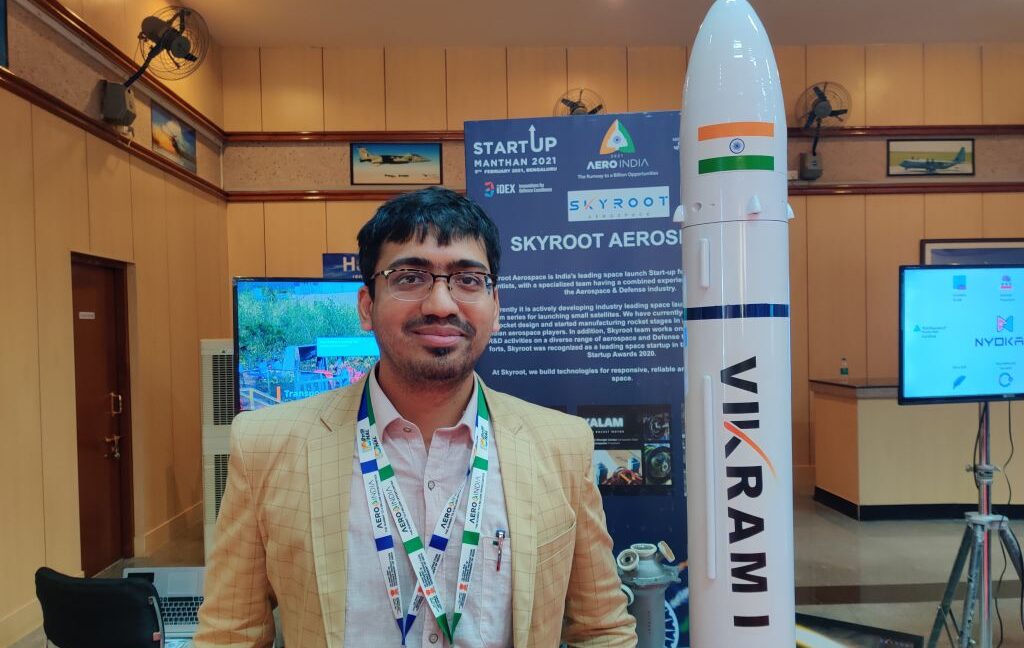
Skyroot Aerospace is preparing for its maiden orbital test flight of the Vikram-1 rocket, a development that signals the maturation of India's private space industry. The launch is expected to occur within the next few months, potentially this summer, as the firm finalises testing for its three-stage solid-fuel vehicle.
Following a recent $60 million fundraising round that valued the company at $1.1 billion, Skyroot aims to place nearly half a metric ton of payload into low-Earth orbit. The vehicle, named after physicist Vikram Sarabhai, the father of the Indian Space Program, represents a key milestone in the structural shift initiated by the Indian government in 2020 to open the sector to private enterprise.
Chief Executive Officer Pawan Kumar Chandana confirmed that the rocket is in the final stretches of testing. While acknowledging that statistically first launches from private companies often fail, Chandana stated that the team has optimised for speed and cost using solid-fuel technology to maximise the chances of a successful maiden flight.
The company secured a lead over competitors such as Agnikul Cosmos in the Indian private launch ecosystem. This advantage comes after Skyroot validated its technology with the suborbital Vikram-S rocket in November 2022, which successfully reached an altitude of 90 metres.
India's government has set ambitious targets to grow the global space economy share from 2 per cent to 10 per cent by 2030 and increase annual launches from five to 50. Prime Minister Narendra Modi has directed the industry to work towards increasing its annual launch total to 50 before the end of the decade.
Skyroot was founded in June 2018 by Chandana and Naga Bharath Daka, both former ISRO scientists, anticipating the regulatory changes that would allow companies to build rockets and use state facilities. The recent funding will enable the company to continue developing the Vikram line, with aspirations to eventually build larger, fully reusable vehicles operating on a daily cadence.
