Skylight Calendar 2 price drops to lowest ever at $249.99
Hardware upgrades and competitive pricing strategies mark the latest move in the smart home sector as the device hits a new low.
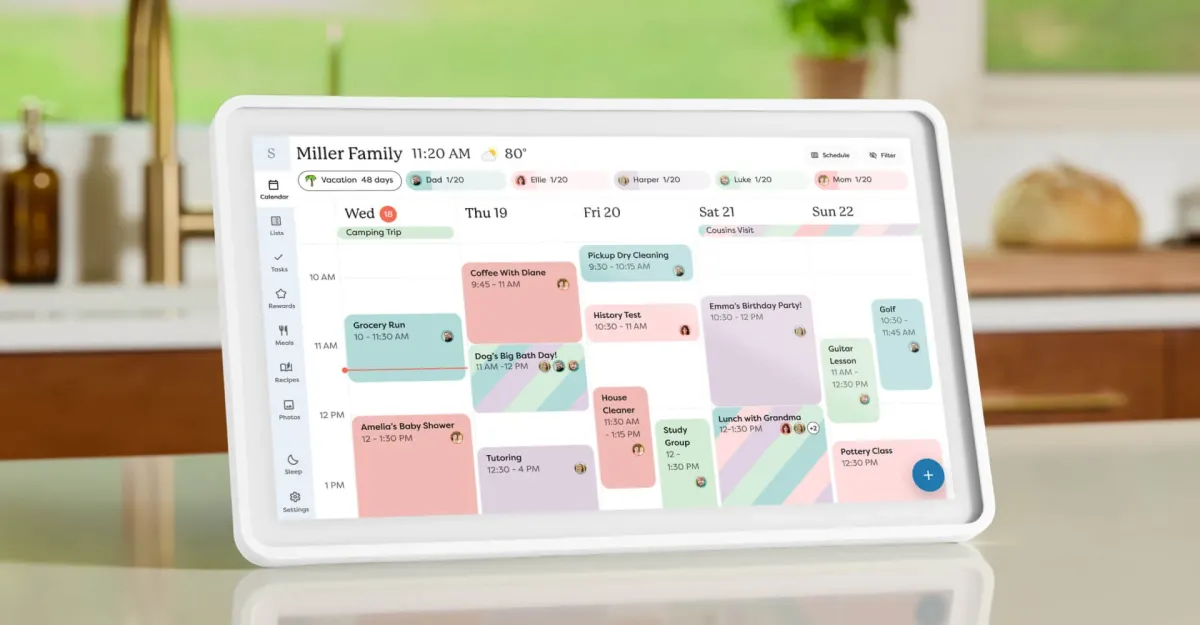
The Skylight Calendar 2 has reached its lowest price to date of $249.99, representing a $50 discount from its standard pricing. This reduction applies to purchases made at Amazon and Walmart, marking a significant shift in the pricing landscape for the 15-inch smart display.
The current sale price of $249.99 is $10 lower than the promotional price offered during the previous Mother's Day sale run-up, which concluded on 10 May. An update dated 4 May confirms the price has dropped further at both retailers, reflecting broader competitive strategies employed by manufacturers to drive adoption of new hardware categories within the smart home sector.
Beyond the cost reduction, the device features notable hardware improvements over its predecessor, including a brighter screen, faster performance, and a slimmer design with swappable magnetic frames. These enhancements complement the core functionality, which includes syncing with major calendar platforms such as Google, Apple, Yahoo, Outlook, and Cozi.
Functionally, the Calendar 2 allows users to manage shared chores, grocery lists, and to-do lists directly on the touchscreen or through the mobile app for Android and iOS. The display can be mounted on a wall or placed on a counter using an adjustable stand, making it a versatile tool for integrating household scheduling and task management into daily routines.
An optional 'Calendar Plus' subscription unlocks advanced features such as email forwarding, document scanning, meal planning tools, and reward systems for children. However, availability of these subscription features may vary depending on the retailer or require a separate purchase not included in the hardware price.
The specific duration of the current price drop is not explicitly stated by the retailer, though it follows the conclusion of the previous promotional period. For institutions and investors monitoring the sector, this move highlights the dynamic nature of pricing in the smart home industry as manufacturers seek to stimulate demand.
