Sixty-five years on, the Artemis II mission concludes as the US space program faces a new era of scrutiny
The historic Freedom 7 launch restored national confidence during the Cold War, yet today's commercial sector and public sentiment challenge the justification for continued high-cost exploration.
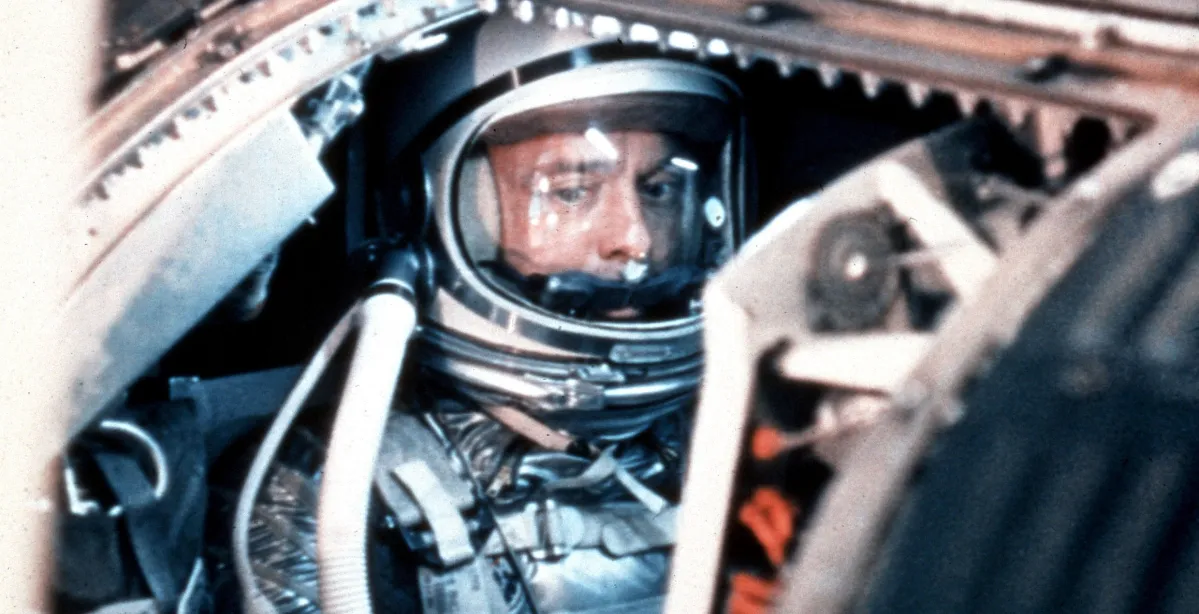
On 5 May 1961, Alan Shepard became the first American astronaut to travel into space aboard the Freedom 7 rocket. The mission, the inaugural crewed flight of Project Mercury, lasted just 15 minutes but served a critical purpose beyond the technical data it gathered. It demonstrated that the United States could safely send a human into space and return, effectively restoring national confidence following the Soviet Union's lead in the space race after Yuri Gagarin's earlier success.
Sixty-five years later, the Artemis II mission has recently concluded, marking a significant milestone as the crew travelled farther than any previous human spaceflight. The Artemis program aims to build upon the foundational success of Shepard's flight by proving that humans can not only survive in space but also build permanent infrastructure and thrive there. This evolution from a brief suborbital hop to deep-space exploration represents a major shift in the capabilities and ambitions of the US human spaceflight program.
However, the path from Mercury to Artemis has not been without significant challenges. The program has faced mission delays, aborted launches, and funding cuts, highlighting the political and financial realities that constrain what can be achieved in space. These operational hurdles stand in contrast to the idealistic vision of the early space race, reminding observers that the journey to the stars remains tethered to the economic conditions on Earth.
A growing debate now surrounds the justification for such high spending on rocket launches amidst rising domestic prices. Americans are questioning why so much money is being allocated to space exploration when the commercial space sector appears to have shifted its priorities away from deep-space discovery. Instead, commercial companies are currently focusing on tourism, satellites, and orbital data centres, leaving the heavy lifting of exploration to government initiatives.
Despite these uncertainties, the instinct to explore remains a powerful driver for the nation. Human spaceflight continues to serve as a remarkable tool for inspiring people to pursue STEM education, driving students and engineers to solve some of the biggest mysteries in the universe. The historic photos from America's first foray into the human spaceflight program serve as a reminder of that enduring desire to look beyond the atmosphere.
As the Artemis II mission concludes, the focus shifts to the next steps in the program's long-term goals. The question is no longer just whether the US can go to space, but why it keeps going back. The legacy of Shepard's 1961 breakfast of filet mignon wrapped in bacon and scrambled eggs now faces a new test: proving that the investment in space exploration remains a priority for a nation grappling with complex domestic economic pressures.
