Silver futures slip to $68.32 as Middle East tensions and rate fears weigh on markets
July silver contracts open lower on Tuesday, June 9, as geopolitical instability and potential Federal Reserve rate hikes create headwinds, though long-term forecasts from major banks remain bullish.
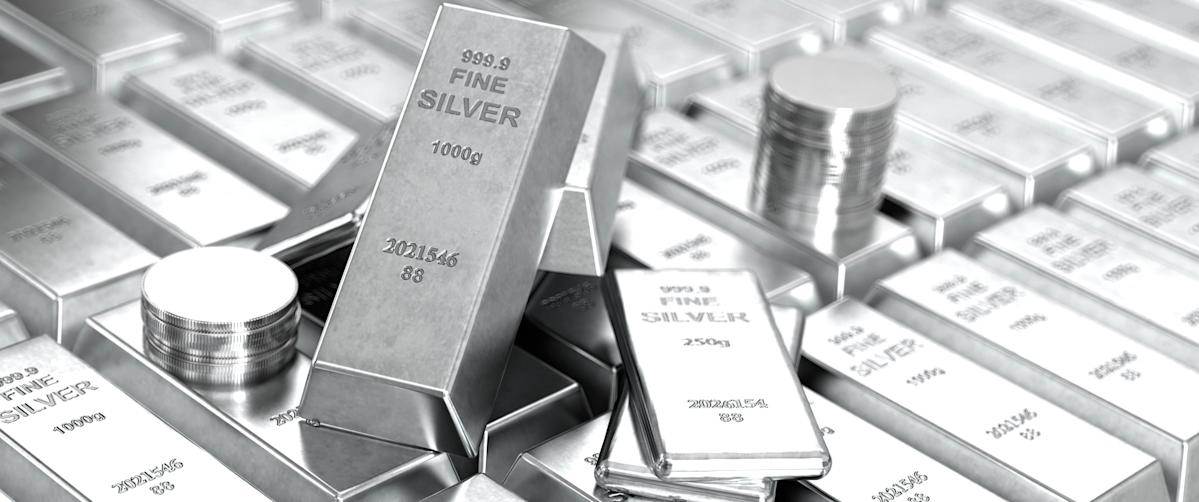
Silver July futures opened at $68.32 per ounce on Tuesday, 9 June 2026, marking a 0.4% decline from Monday’s closing price. Early trading saw prices stabilise at $68.45 per ounce, a notable retreat from the previous week’s average opening prices which exceeded $74 per ounce. The correction follows a period of significant volatility in 2026, with silver prices surging past $113 in early January before dropping to $77 in February.
Market pressure is being driven by the ongoing conflict in Iran, which has kept the Strait of Hormuz largely closed. This disruption has contributed to higher global energy prices and inflation, with the National Federation of Independent Business reporting that small businesses have already raised prices, with further increases expected. Two additional inflation indicators due later this week are anticipated to confirm that war-related disruptions continue to drive costs higher.
The Federal Reserve’s monetary policy stance remains a critical factor for precious metals. If the central bank maintains or raises interest rates to combat persistent inflation, downward pressure on silver prices is anticipated. Higher rates typically reduce the appeal of non-yielding assets, compounding the sell-off pressure seen in the current session.
Despite the immediate downturn, major financial institutions maintain a positive long-term outlook. Experts from BlackRock and J.P. Morgan predict that silver prices will surpass $80 per ounce by the end of 2026, with some forecasts suggesting the metal could reach $100 by 2030. This optimism persists despite the metal’s recent volatility, which includes a year-over-year growth of 173.3% as of mid-May.
Investor interest in silver remains robust as a more accessible entry point into precious metals compared to gold. The metal’s price is influenced by both industrial demand and investor confidence in the face of economic turmoil. While short-term fluctuations are expected due to geopolitical risks and manufacturing supply chain concerns, the structural demand for safe-haven assets continues to support the sector.