Silver futures rebound on Middle East tensions despite rate headwinds
Prices recover from early losses as geopolitical risks intersect with macroeconomic concerns over interest rates.
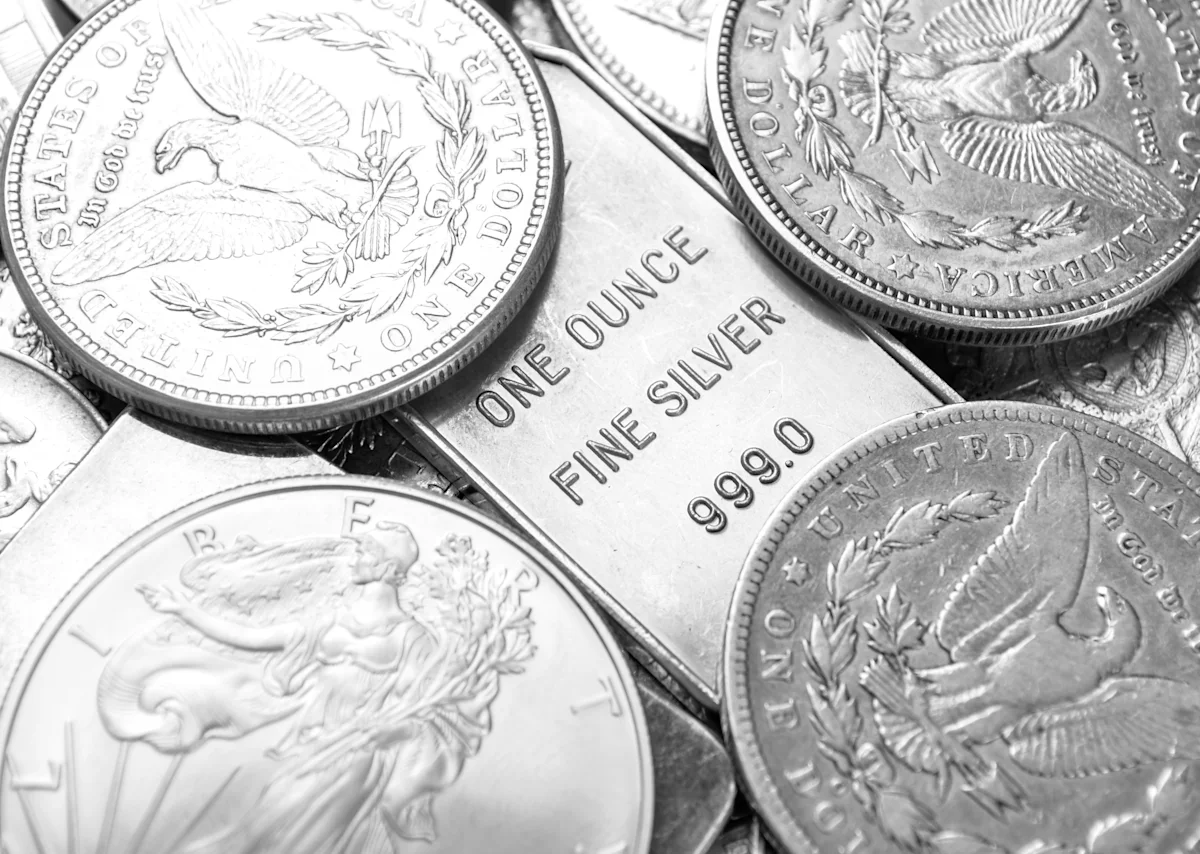
Silver September futures opened at $55.96 per ounce on Monday, July 20, 2026, marking a 0.6 per cent decline from Friday’s close. The contract recovered intraday to reach $57.05 by 8:45 a.m. ET, reflecting shifting market sentiment amid escalating geopolitical risks in the Middle East.
The price movement follows a violent weekend involving U.S.-Iran hostilities, including an Iranian strike on a U.S. air base in Jordan that killed at least three American service members. This incident brings the total U.S. death toll in the region to more than 15. U.S. Central Command had previously threatened swift retaliation, with strikes continuing through Sunday night.
While such conflicts typically drive demand for safe-haven assets, analysts highlight a competing macroeconomic factor. The prospect of an extended war raises the likelihood of higher interest rates later this year, which acts as a headwind for silver. As a non-yielding asset, silver faces increased opportunity costs when rate expectations rise.
Despite recent volatility, silver has demonstrated significant long-term strength. Year-over-year growth stood at 173.3 per cent as of May 14, 2026, with prices more than tripling over the past 12 months. This performance underscores the metal’s resilience even as it navigates short-term pressures from monetary policy expectations.
Investors considering exposure to silver have several avenues, ranging from physical bullion to exchange-traded funds. Physical ownership offers direct asset control but entails storage and insurance logistics, while ETFs provide liquidity and ease of access, albeit with potential tax implications for certain funds.