Shivon Zilis Emerges as Key Intermediary in Musk v. Altman Trial
The first week of the Musk v. Altman trial has highlighted Shivon Zilis as a critical conduit between the Tesla chief executive and OpenAI, with evidence showing she advised Sam Altman on relationship management and facilitated information flow years after Musk left the board.
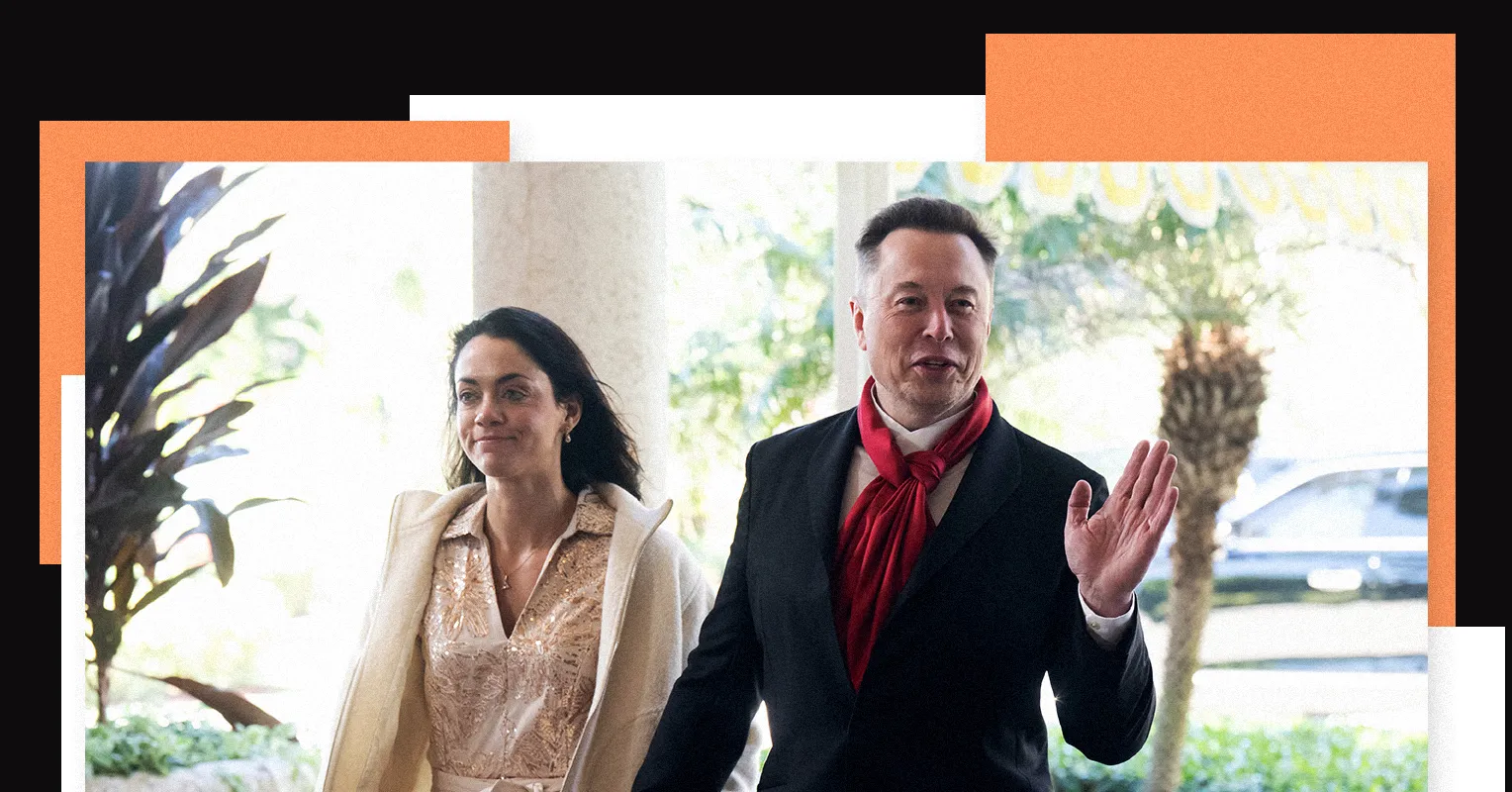
Testimony and text messages from the opening week of the Musk v. Altman trial have brought into sharp focus the role of Shivon Zilis as a covert liaison between Elon Musk and OpenAI leadership. A former director of the nonprofit's board and mother to four of Musk's children, Zilis operated as a behind-the-scenes manager of communications and egos during the organisation's formative years. Her influence extended well beyond her official tenure, with records indicating she continued to facilitate information flow between the two parties even after Musk officially departed the board in February 2018.
Communications uncovered during the proceedings show Zilis actively advising Sam Altman on how to navigate his relationship with Musk. In one instance from October 2022, Altman forwarded a screenshot of an angry text from Musk regarding OpenAI's $20 billion valuation raise to Zilis for guidance. She subsequently recommended that he refrain from responding immediately. Similarly, in February 2023, following Musk's acquisition of Twitter, Altman consulted Zilis before posting a message on X praising Musk for raising the collective ambition level, seeking her input on whether the gesture was appropriate.
The trial evidence also details Zilis's involvement in the early negotiations over OpenAI's corporate structure. In September 2017, she acted as a trusted confidant for both sides, relaying concerns from cofounders Greg Brockman and Ilya Sutskever that no single individual should hold unilateral power over artificial general intelligence. She summarised their commitment to maintaining the nonprofit structure to Musk, who at the time sought greater control over the company. Despite these early tensions, Zilis continued to manage the dynamic, including advising Musk on how to influence figures like Demis Hassabis of Google DeepMind.
A significant point of contention during the trial involved the nature of Zilis's personal relationship with Musk. While Musk described their living arrangements as them living together, Zilis testified in a deposition that Musk is more of a regular guest who maintains his own residence. This discrepancy highlights the complexity of the personal and professional entanglements that characterised the early years of OpenAI. Zilis described becoming romantically involved with Musk around 2016, a period when she had already transitioned from an informal advisor to a formal role within the organisation.
The legal dispute centres on Musk's allegation that Altman and others breached a legal promise regarding his $38 million donation to the nonprofit. Musk argues that the charity had been stolen and that the restructuring into a for-profit model violated the original intent of his contribution. However, OpenAI's attorneys have questioned the timing of the lawsuit, noting that Musk waited years to file despite expressing concerns about the organisation's direction. Judge Yvonne Gonzalez Rogers appeared sceptical about the delay, suggesting that the creation of the for-profit xAI lab by Musk complicates the narrative of a purely altruistic donation.
As the trial progresses, the focus remains on whether the jury can be convinced that Musk filed his lawsuit in a timely manner and that a binding legal promise was broken. The emergence of Zilis as a central figure in the communication history between the litigants underscores the intricate web of relationships that shaped OpenAI's evolution. Her testimony and the digital trail of messages she facilitated provide a detailed account of how influence was exerted behind the scenes, long after formal board memberships had ended.
