Shell quarterly profits surge past forecasts as Iran conflict drives oil prices higher
Geopolitical tensions have turned regional instability into a primary driver of profitability for major institutions, though the sustainability of these windfalls remains uncertain.
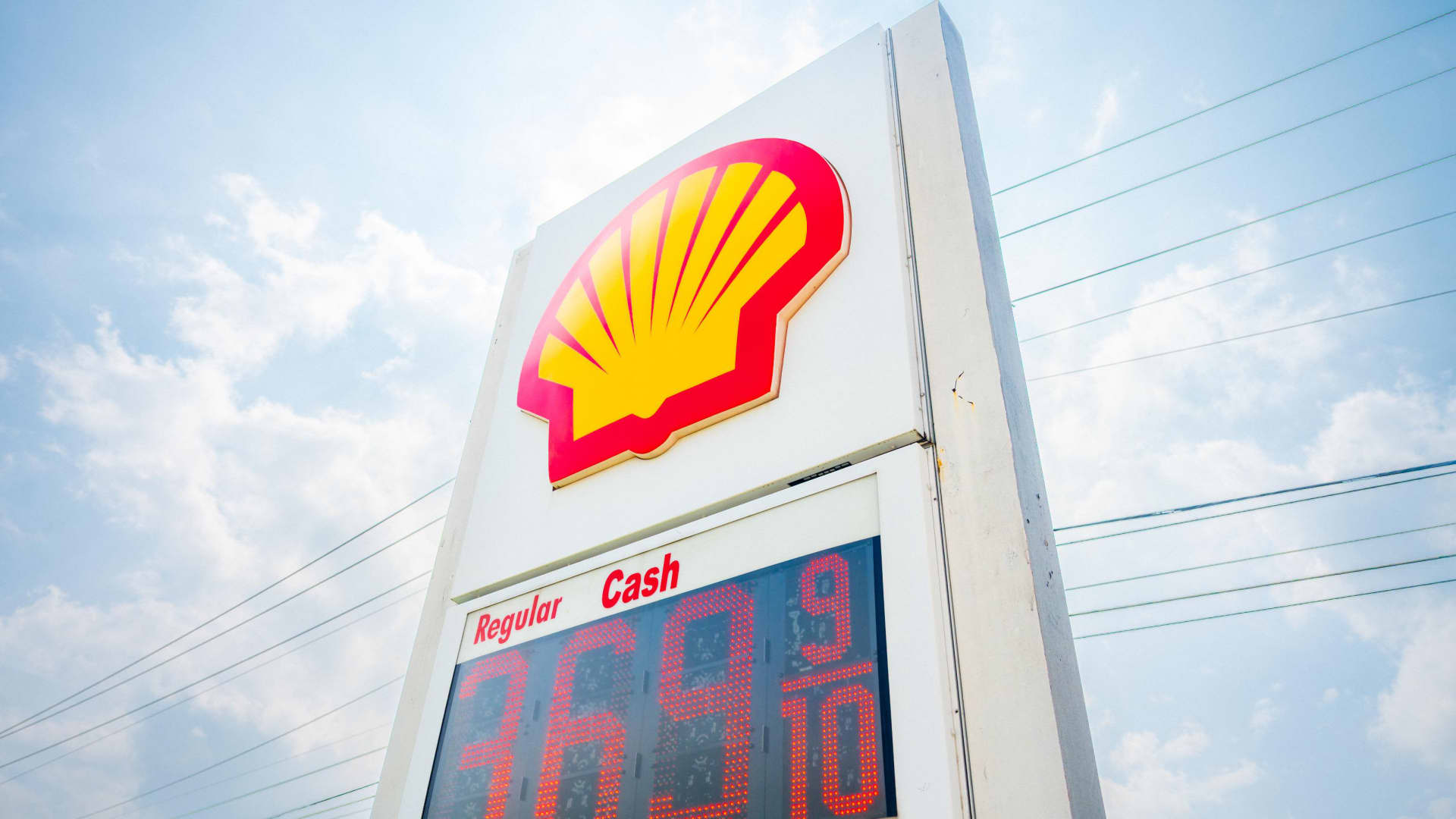
Britain's Shell has reported quarterly profits that surpassed analyst estimates, a performance driven largely by a sharp surge in fossil fuel prices resulting from the ongoing war in Iran. The London-listed energy group highlighted that the conflict has disrupted regional energy flows, creating specific arbitrage opportunities that have boosted its bottom line beyond standard operational earnings.
This financial outperformance underscores how geopolitical risk has become a primary driver of profitability in the current energy landscape. By distinguishing this windfall from its core operations, Shell has signalled that its earnings are now inextricably linked to the stability of the Strait of Hormuz rather than just internal efficiency metrics.
The company noted that the war has generated trading windfalls that have significantly contributed to the quarterly results. However, the nature of these returns suggests they are contingent on the immediate volatility surrounding the conflict, raising questions about whether such elevated price levels will persist once regional energy flows stabilise.
In a move reflecting the current market conditions, Shell also announced a reduction in its share buyback programme. The decision to cut back on repurchasing shares indicates a shift in capital allocation strategy, potentially preserving liquidity amidst the uncertainty of the geopolitical situation.
While the headline attributes the profit surge to the Iran war, the specific mechanisms involve trading arbitrage rather than direct supply disruption within Shell's own assets. This distinction is crucial for investors assessing the quality of earnings, as the returns may not be sustainable once the immediate volatility subsides.
The broader energy landscape is currently characterised by such geopolitical risks acting as the main engine for profitability, a trend mirrored elsewhere in the sector where similar conflicts have forced operational adjustments yet delivered record financial results for major players.