Shell profits beat forecasts as Iran conflict fuels trading windfall
Analysts warn that the duration of the windfall remains uncertain as supply viability concerns persist through 2027
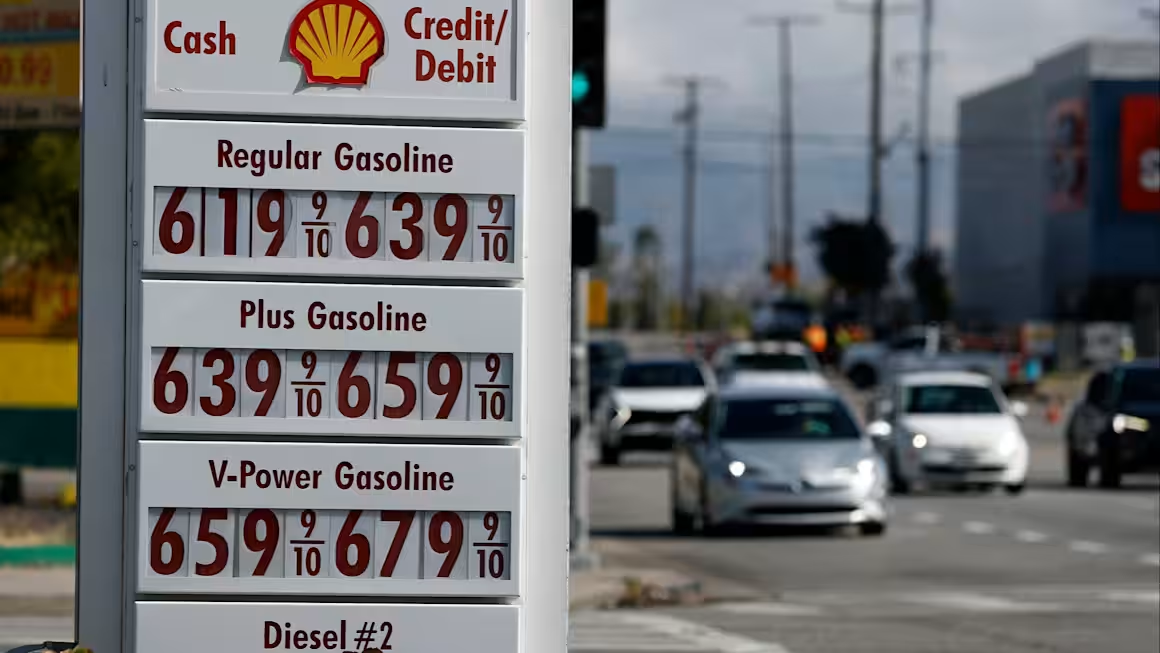
Shell has reported quarterly profits that have surpassed market expectations, a performance driven largely by a significant trading windfall generated by the ongoing conflict in Iran. The London-listed energy group highlighted that the war has disrupted regional energy flows, creating specific arbitrage opportunities that have boosted its bottom line beyond standard operational earnings.
This financial outperformance comes as global energy markets continue to experience heightened volatility. Geopolitical instability surrounding the Strait of Hormuz has sent shockwaves through the sector, driving Brent and WTI futures significantly above initial forecasts. While other major energy firms are also noted to be benefiting from these volatile conditions, Shell has explicitly identified the Iran war as the direct catalyst for its recent revenue surge.
Market participants remain concerned that supply viability issues in the Middle East could persist well into 2027, even if the immediate blockade were to end. With approximately 11 million barrels per day of production currently shut across the region, the structural constraints on supply suggest that price pressures may remain entrenched for years. Consequently, the specific duration of Shell's trading windfall is unclear and depends entirely on the trajectory of the conflict and subsequent geopolitical developments.
In the United Kingdom, the government has proposed a support package designed to shield consumers from potential inflation linked to such conflicts. These measures, which include fuel duty cuts and new price caps, are estimated to cost up to £5bn annually. This figure is significantly lower than the £76bn spent by the government during the 2022 energy crisis, reflecting a shift in how policymakers intend to manage future energy volatility.
The company's results underscore how geopolitical risk has become a primary driver of profitability in the current energy landscape. By distinguishing this windfall from its core operations, Shell has signalled that its earnings are now inextricably linked to the stability of the Strait of Hormuz. Investors will be watching closely to see if these exceptional returns can be sustained once the immediate volatility subsides or if the conflict escalates further.