Seventeenth Ebola outbreak in DRC exposes systemic healthcare failures amid conflict
With over 500 suspected cases and 130 deaths, the Africa Centres for Disease Control and Prevention has deployed experts to Bunia as the World Health Organization declares a global emergency.
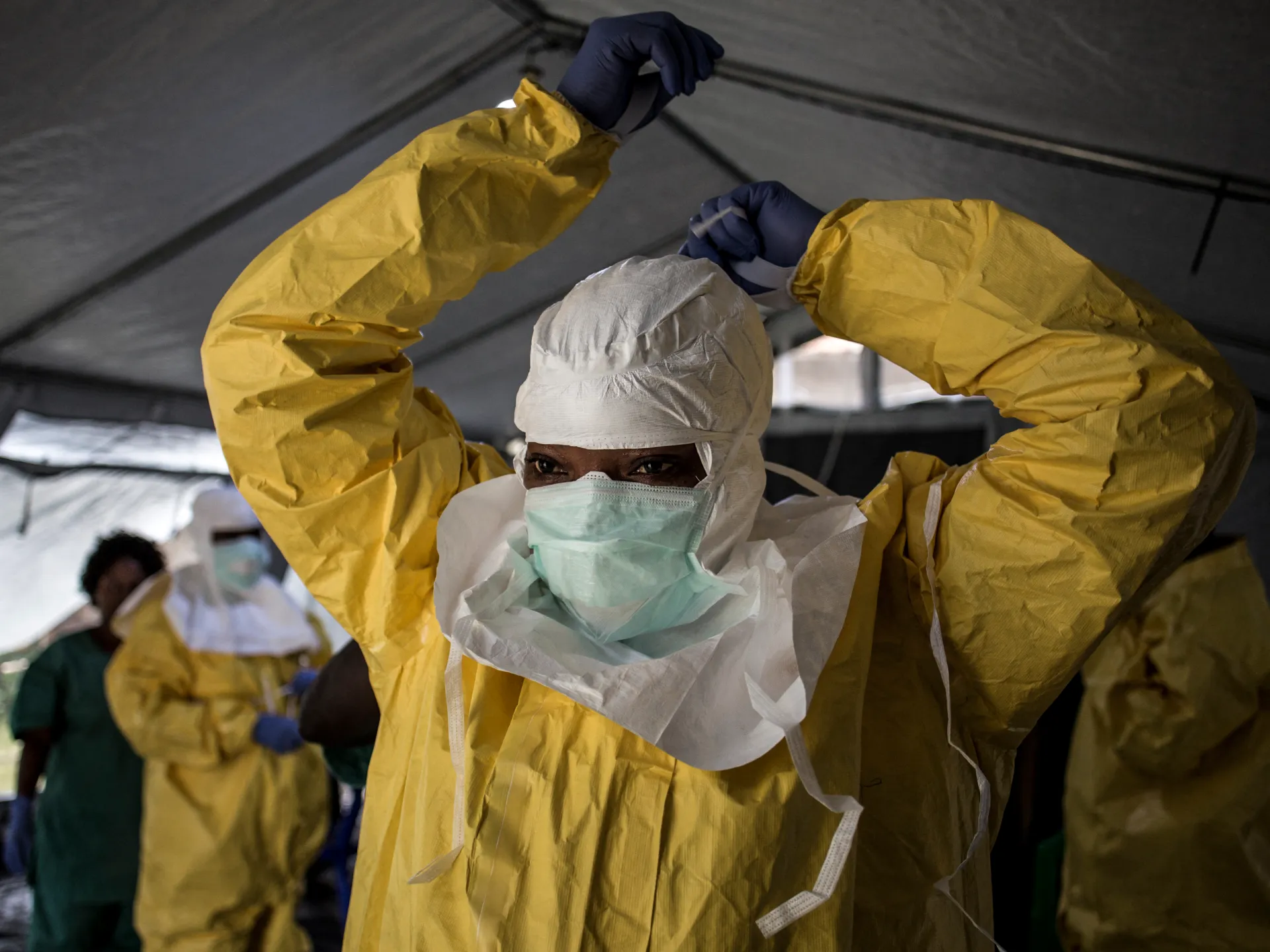
The Democratic Republic of the Congo is confronting its seventeenth Ebola outbreak in five decades, with the Ministry of Health recording more than 500 suspected cases and over 130 deaths. The current epidemic originated in Mongbwalu, a gold-mining town in the eastern Ituri province, following the death of a nurse in Bunia on 24 April. In response to the escalating crisis, the World Health Organization has declared the outbreak a Public Health Emergency of International Concern, citing significant national and regional risks.
The Africa Centres for Disease Control and Prevention has deployed a team of experts to Bunia, the provincial capital, to bolster containment efforts. The deployment includes field epidemiologists and specialists in data collection and risk communication. This intervention follows the recent end of the sixteenth Ebola outbreak in the Bulape region in December 2025 and a mpox outbreak declared over 40 days prior, underscoring the persistent nature of the health security challenge in the region.
Health officials and analysts attribute the recurrence and severity of the outbreak to a convergence of structural weaknesses and environmental factors. Dr Francine Mbona Pendeza, who previously managed Ebola responses in North Kivu, identified unsafe food practices, limited access to clean water, and the high cost of care as critical drivers. She noted that financial barriers often prevent residents from seeking timely treatment, allowing the virus to spread within communities that lack access to qualified medical staff in remote areas.
The geopolitical context further complicates containment efforts. Geopolitical analyst Gloire Koko linked the outbreak’s persistence to armed conflict in the east, which disrupts healthcare programmes and discourages communities from seeking medical help due to security risks. The nonprofit Save the Children warned that the crisis is exacerbated by displacement and compromised healthcare systems, making this outbreak significantly more difficult to contain than recent ones.
Environmental factors also play a substantial role in the virus’s resurgence. Dr Alphonsine Muhoza highlighted that deforestation and agricultural expansion bring people into direct contact with reservoir animals such as bats and primates. Professor Jean Jacques Muyembe, a virologist and co-discoverer of the Ebola virus, acknowledged that the national surveillance system failed during this outbreak but expressed confidence in the country’s ability to control the epidemic based on past experience.