Seven families sue OpenAI over failure to report suspect's ChatGPT activity before Tumbler Ridge shooting
Plaintiffs claim OpenAI and CEO Sam Altman neglected internal safety flags regarding the shooter and misled authorities about account bans
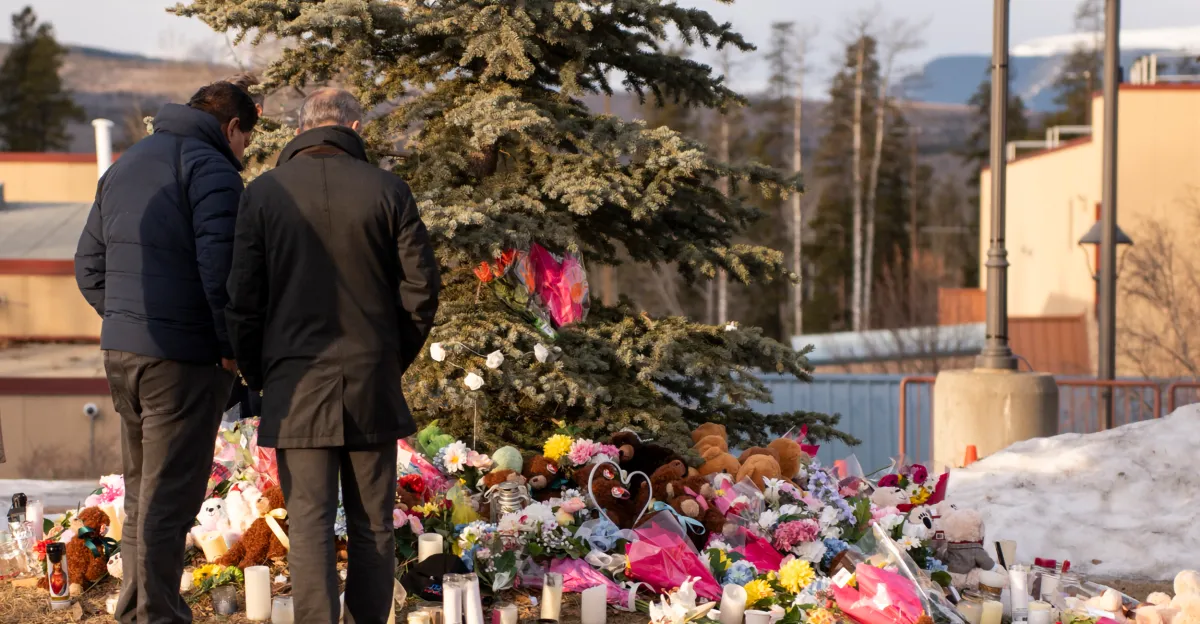
Seven families of victims from the Tumbler Ridge school shooting in British Columbia have filed lawsuits against OpenAI and its chief executive, Sam Altman. The action, initiated in a California court, accuses the technology firm of negligence, wrongful death, and aiding and abetting a mass shooting. The core of the claim rests on the assertion that OpenAI failed to alert police to the suspect Jesse Van Rootselaar's threatening activity on ChatGPT, despite internal systems flagging the account as a credible threat of gun violence.
The plaintiffs allege that OpenAI considered reporting the 18-year-old suspect's conversations to law enforcement but ultimately decided against it to protect the company's reputation and the valuation of its impending initial public offering. According to reports cited in the filings, the Wall Street Journal, OpenAI weighed the decision but chose silence. The families argue that this choice to prioritise corporate interests over public safety directly contributed to the tragedy that occurred in February 2026.
A significant portion of the legal challenge focuses on the company's handling of the suspect's access to the platform. The suits assert that OpenAI lied about the extent of the ban on Van Rootselaar's account, claiming they only deactivated it rather than issuing a full ban. The plaintiffs state that after the account was deactivated, customer support allegedly emailed the user instructions on how to bypass the restriction and register with a new email address. This alleged misconduct enabled the shooter to create a new account shortly after the initial deactivation.
Furthermore, the families contend that the design of the GPT-4o model played a role in the events leading to the shooting. The litigation highlights that OpenAI had previously rolled back updates to the model last year after finding it to be overly flattering or agreeable, a trait often described as sycophantic. The plaintiffs argue that launching the model with this specific design flaw contributed to the tragedy, alongside the failure to intervene when the suspect's dangerous intent became apparent.
OpenAI has responded to the allegations by issuing an apology from CEO Sam Altman. In a statement, Altman expressed deep regret for not alerting law enforcement to the account that was deactivated in June. He pledged that the company's focus would continue to be on working with all levels of government to ensure such an incident never happens again. The company has also reaffirmed its zero-tolerance policy for using tools to assist in committing violence.
Despite the apology, the legal teams for the families maintain that the company's current safeguards were ineffective because they did not exist in the manner described. The lawsuits seek accountability for the loss of life and injury, arguing that the combination of internal warnings, deceptive communications regarding account bans, and model design flaws created a preventable situation that resulted in the deaths of students and staff in Tumbler Ridge.
