ServiceNow Shares Lag Tech Sector as Margin Concerns Offset Revenue Growth
The Santa Clara-based enterprise software provider reported a 22% rise in first-quarter revenue, yet shares fell 17.8% on weaker margin forecasts driven by acquisitions and Middle East deal delays.
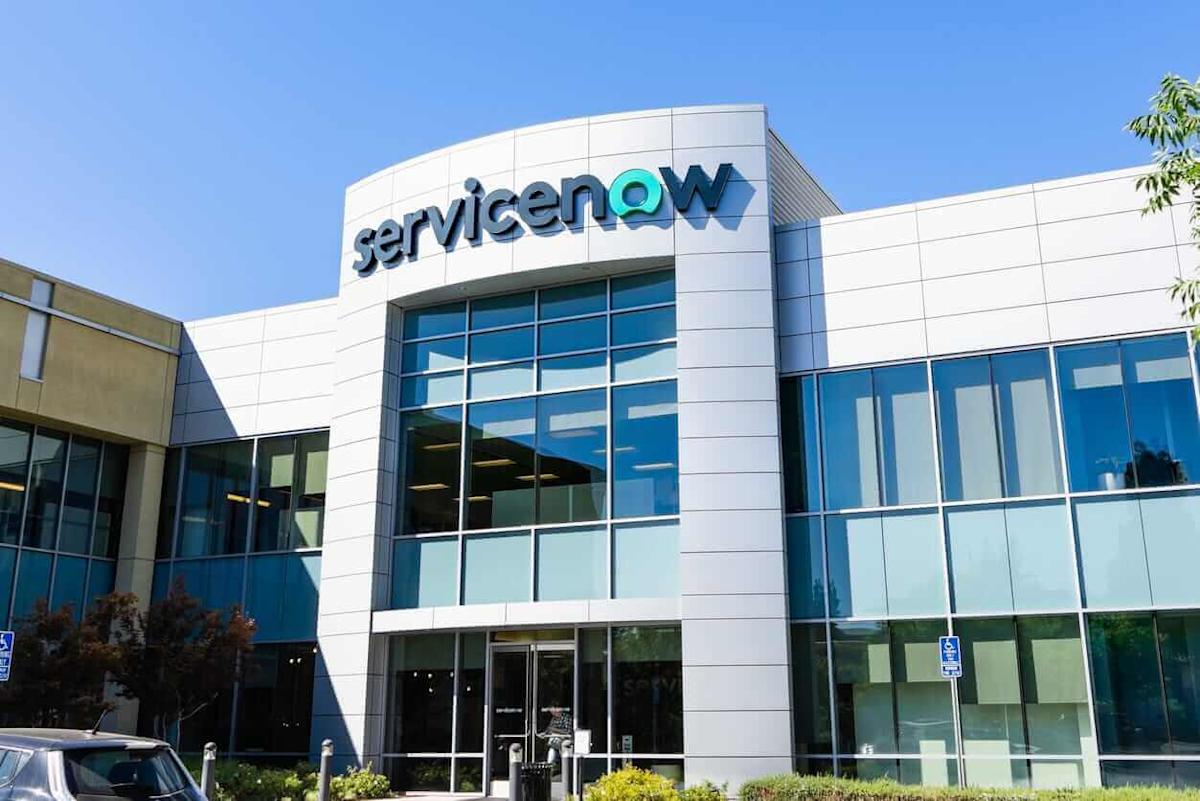
ServiceNow shares have significantly underperformed the broader technology sector over the past year, dropping 39.1% compared to a 65.2% gain for the State Street Technology Select Sector SPDR ETF (XLK). The decline was accelerated on April 22, when the company’s stock fell 17.8% following its first-quarter 2026 results. Investors reacted negatively to a lower-than-expected full-year subscription adjusted gross margin forecast of 81.5%, which fell short of analyst estimates.
The margin outlook was pressured by recent acquisitions, including the Armis deal, and an approximately 75-basis-point headwind from delayed closings of large on-premise deals in the Middle East due to regional conflict. Despite these challenges, the company reported that first-quarter revenue rose 22% year-on-year to $3.77 billion. Management also raised its full-year subscription revenue forecast to a range of $15.74 billion to $15.78 billion, though the weaker margin guidance overshadowed the otherwise strong growth figures.
Trading data indicates the stock remains under pressure, having dipped 41.2% from its 52-week high of $211.48. ServiceNow shares are currently trading below their 50-day and 200-day moving averages. Over the past three months, the stock increased 15.2%, lagging behind the XLK’s surge of 37.7%. Year-to-date, ServiceNow has declined 18.8%, while the technology-focused ETF has gained 32.7%.
The underperformance is stark when compared to peers in the semiconductor space. Rival Micron Technology has significantly outpaced ServiceNow, with shares surging 240.2% year-to-date and 909.6% over the past 52 weeks. This divergence highlights the varying investor sentiment between enterprise software and memory chip manufacturers in the current market environment.
Despite the stock’s poor performance and technical weakness, Wall Street analysts maintain a "Strong Buy" consensus. The 45 analysts covering the stock have set a mean price target of $145.90, implying a 17.3% upside from current levels. The bullish outlook suggests that market participants view the current valuation as disconnected from the company’s long-term growth trajectory in cloud-based digital workflow solutions.