Seoul Braces for ‘Worst-Case’ as Trump Halts Joint Military Drills
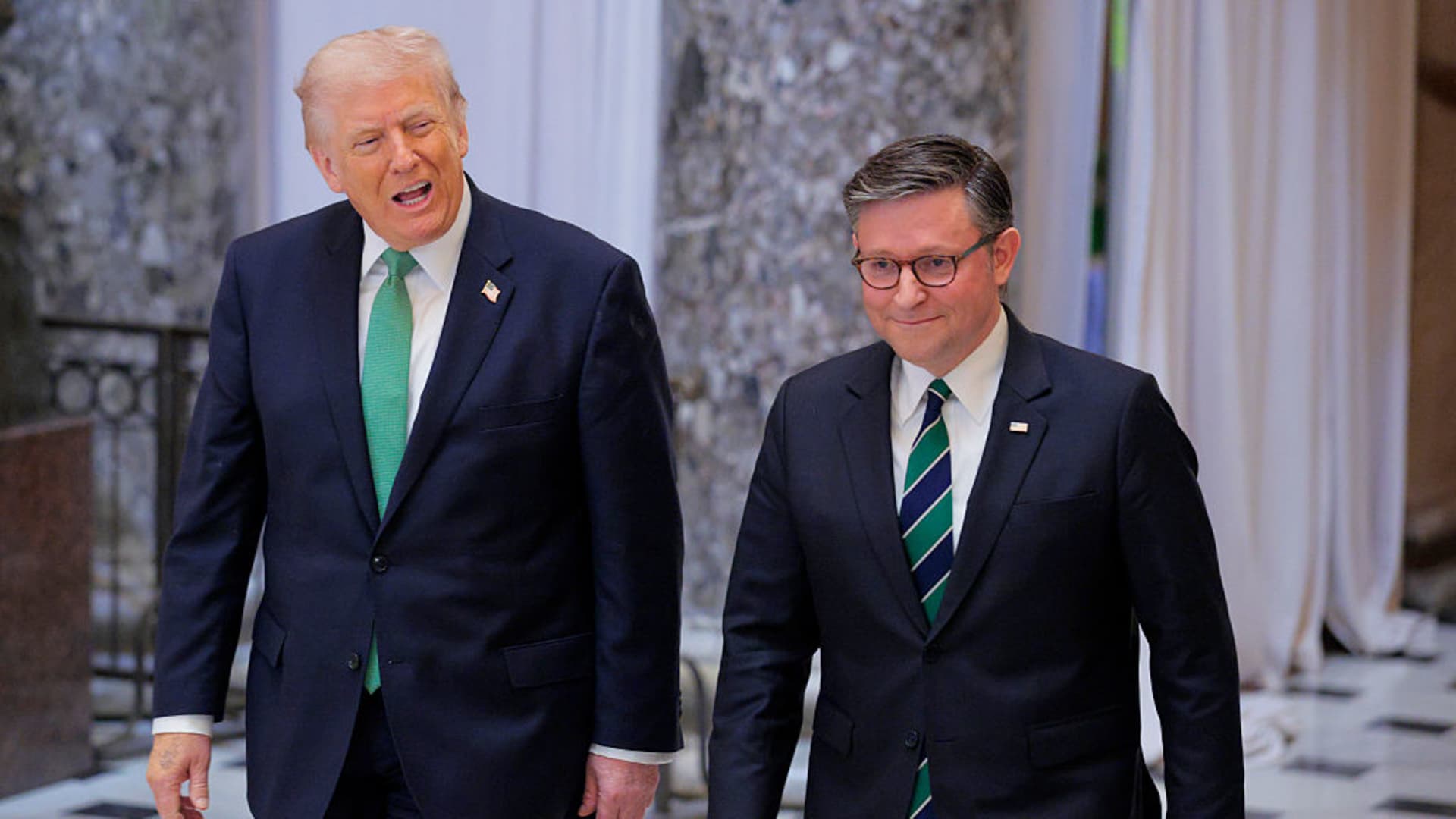
President Lee clarifies that the suspended drills were defensive in nature, while Washington frames the reduction as a strategic pivot driven by diplomatic engagement with Pyongyang.
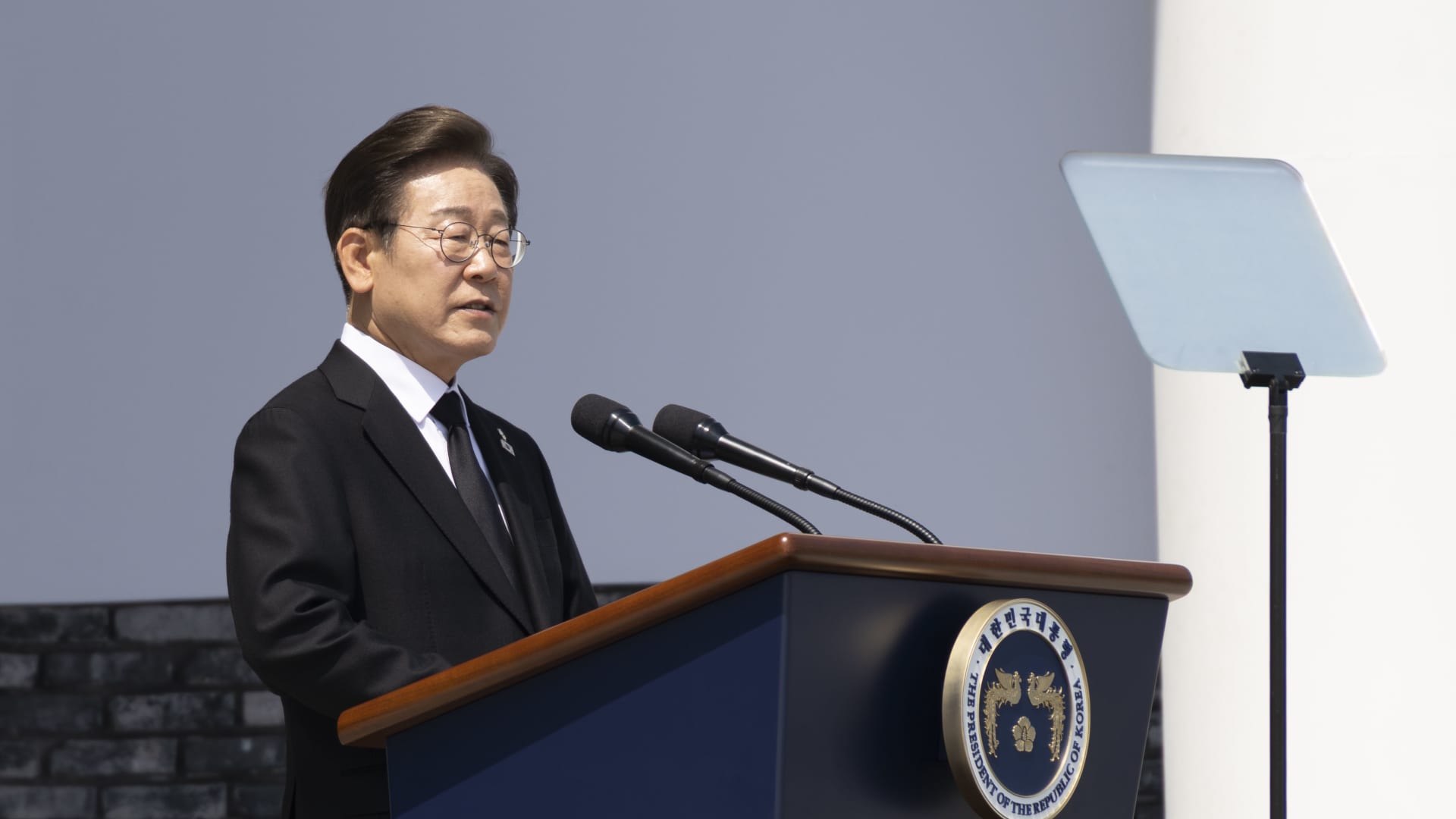
South Korean President Lee has urged the nation to prepare for a worst-case scenario following President Trump’s decision to cut annual joint military drills. The directive marks a significant shift in security posture for Seoul, prompting the South Korean leader to call for heightened national readiness amidst the sudden reduction in military preparedness.
President Lee stated that the annual exercises are defensive in nature and are not intended to attack North Korea or escalate tensions on the peninsula. His comments aim to contextualise the suspension of the drills as a strategic choice driven by diplomatic progress rather than a withdrawal of security commitments.
Concurrently, President Trump has framed the policy shift as a proactive security measure. He claims that dialogue with Kim Jong Un bolsters South Korea’s safety, attempting to present the cut in military exercises as a result of successful diplomatic engagement rather than a diminution of defensive capabilities.
However, the specific mechanisms by which dialogue with Kim Jong Un is expected to bolster South Korea’s safety remain unclear in the source material. The assertion that diplomatic channels alone can ensure regional stability is presented as a political framing by the US administration, without detailed operational explanations.
In a concurrent development within the US administration, Karoline Leavitt is stepping down as White House press secretary. This leadership change occurs against the backdrop of broader geopolitical adjustments, including the recalibration of military engagements in East Asia.
The long-term implications of the drill cuts on regional security dynamics are not fully defined. While the US administration views the move as a strategic advantage through diplomacy, Seoul’s call to brace for adverse outcomes highlights the uncertainty surrounding the new security framework.