Senra secures $65 million to digitise aerospace wiring supply chains
The startup, founded by former SpaceX engineer Jordan Black, aims to replace manual, legacy manufacturing processes with automated tracking and digital twins for defence and automotive sectors.
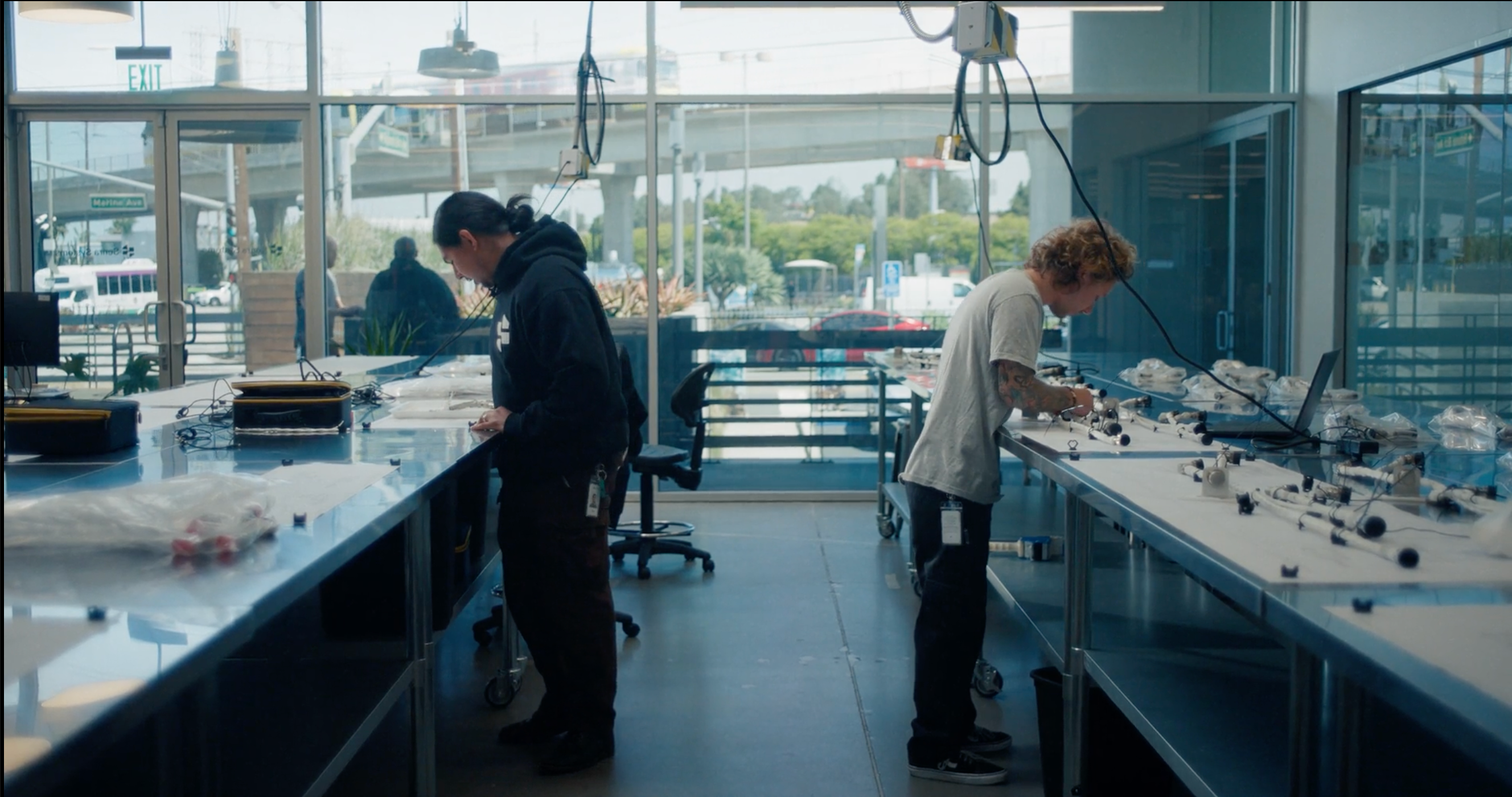
Senra, a manufacturing startup founded by former SpaceX engineer Jordan Black and Benjamin Shanahan, has announced a $65 million Series B funding round. The investment is co-led by Lowercarbon and Interlagos, with participation from General Catalyst, Sequoia Capital, Andreessen Horowitz, and Founders Fund. The capital will be used to scale Senra’s proprietary software platform, Amp, which utilises digital twins and automated tracking to modernise wire harness production for the aerospace, defence, and automotive industries.
Wire harnesses, the internal electrical cabling systems critical to rockets, missiles, satellites, and vehicles, have historically relied on manual processes that Black describes as unchanged since the Cold War era. Senra was established in 2023 to address this stagnation. The company currently produces 1,000 harnesses monthly across two factories and intends to increase output to 10,000 per month by 2027. While the firm benefits from a broader surge in investment into the US defence industrial base, it maintains that humans will remain central to the handmaking process for the foreseeable future due to current limitations in robotics and training data.
The push for modernisation is driven by significant safety and operational risks inherent in legacy wiring methods. Black cited the 2023 Boeing Starliner incident, where wiring was secured with flammable tape, leading to expensive delays and a complete overhaul of the wiring system. To prevent such catastrophic errors, Senra’s Amp platform standardises inputs throughout the wiring process and tracks materials and engineering changes. Black noted that maintaining all data within a single software environment is crucial, as minor inputs can lead to significant failures down the line.
Senra’s approach aligns with what Black refers to as the “Elon principle” of “automation is last.” Rather than immediately replacing human labour, the company focuses on standardisation and foundation building before implementing full automation. This strategy mirrors the scaling methodology used at SpaceX, which transformed rocket production from a process yielding one unit a year to hundreds. Senra technicians are trained through the company’s programme, which Black states is the only federally certified wire harness training program in the United States.
Although specific client names remain undisclosed, Senra’s customer base includes manufacturers of submarines, maritime vehicles, land defence systems, launch vehicles, and satellites. The company’s name, derived from “harness” spelled backwards, reflects its objective to remove inefficiencies from the sector. With the new funding, Senra aims to expand its digital infrastructure to support the growing demand for reliable, high-standard wiring solutions in increasingly complex vehicle systems.
