Senate Republicans delay immigration vote over IRS settlement and White House ballroom costs
Internal dissent within the Republican caucus, driven by opposition to a $1.776bn anti-weaponisation fund and a $1bn White House ballroom request, has stalled the immigration enforcement package.
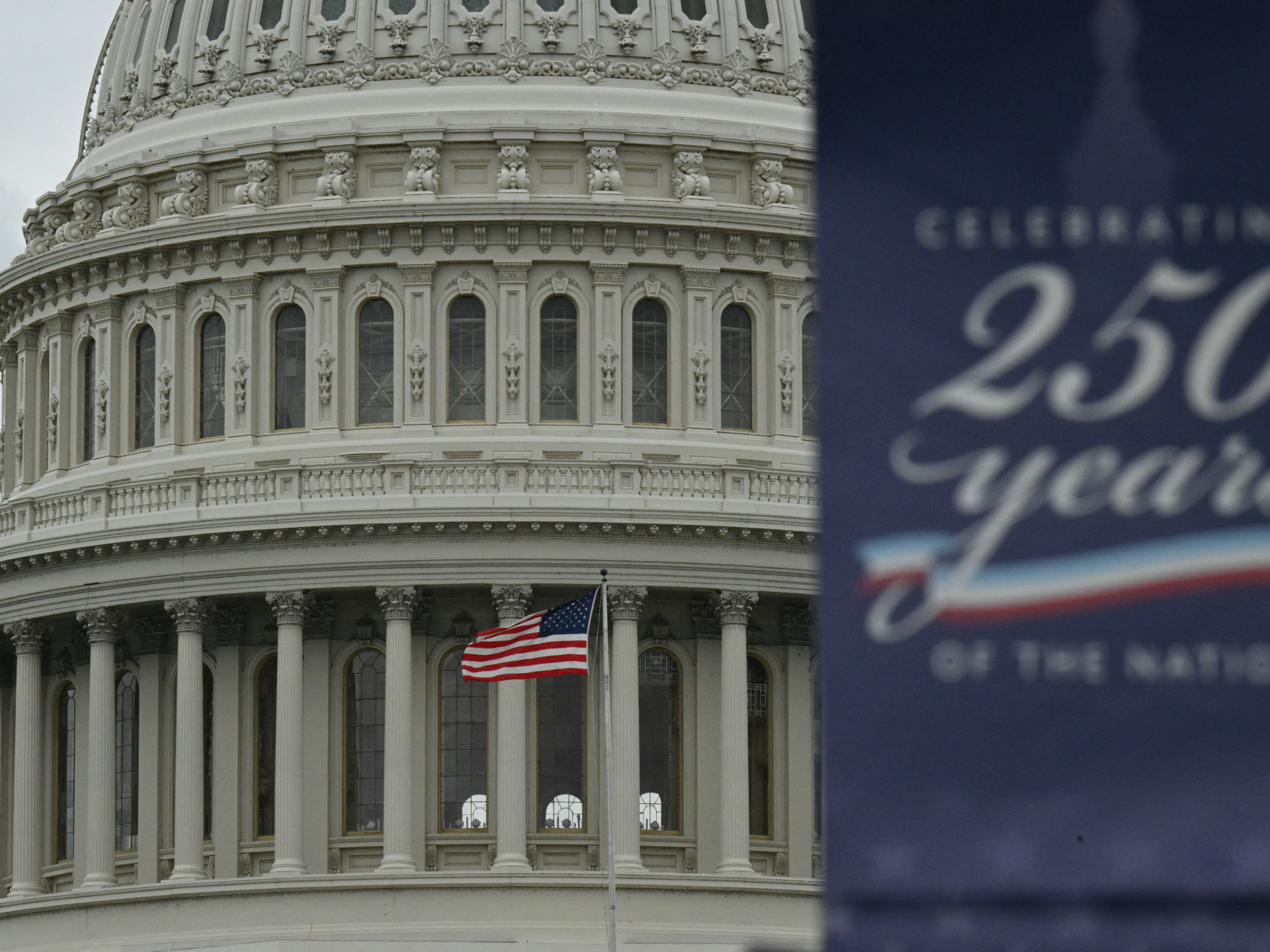
Senate Republicans have delayed a vote on a $72bn immigration enforcement funding bill, marking a rare instance of internal dissent against President Donald Trump. The decision to postpone the vote until after the Memorial Day recess highlights growing friction within the party’s legislative ranks over specific provisions included in the administration’s policy agenda.
The primary catalyst for the delay is opposition to a $1.776bn “anti-weaponisation” fund established through a lawsuit settlement between the Trump administration and the Internal Revenue Service. The fund addresses a 2019 incident where an IRS contractor leaked Trump’s tax refunds. Critics argue the settlement presents a conflict of interest, as Trump acted as both plaintiff and employer of the defendants. Acting Attorney General Todd Blanche was summoned to Capitol Hill to answer questions regarding the settlement, which utilises Justice Department funds that typically bypass congressional approval.
Nebraska Senator Don Bacon indicated that the controversy had eroded support for the President within the chamber. “He’s lost some support in the Senate,” Bacon said, noting the inherent conflict in the executive branch suing its own agencies. Senator Thom Tillis, who is not seeking re-election, strongly condemned the fund, telling Spectrum News that the American public would reject the measure.
A secondary factor in the legislative hold-up was a $1bn request for a White House ballroom, which Republican leadership removed from the bill to preserve the ability to pass the legislation through budget reconciliation. Senate Majority Leader John Thune stated that the inclusion of the ballroom costs complicated a bill that was intended to be narrow and straightforward. Thune confirmed that the party would resume efforts to pass the immigration enforcement bill upon returning in June.
In a separate development, the House of Representatives postponed a vote on a war powers resolution concerning the US-Israeli conflict with Iran until June. Although a similar resolution had passed the Senate earlier in the week, House Republicans cancelled the vote, drawing accusations of political manoeuvring from Democrats. Representative Gregory Meeks, the top Democrat on the House Foreign Affairs Committee, asserted that the leadership had sufficient votes to pass the measure but chose to delay it.