Senate Banking Committee approves Kevin Warsh nomination for Federal Reserve chair
Kevin Warsh has cleared a critical hurdle in his confirmation process, moving closer to a final Senate vote as the US central bank navigates economic uncertainty and political scrutiny.
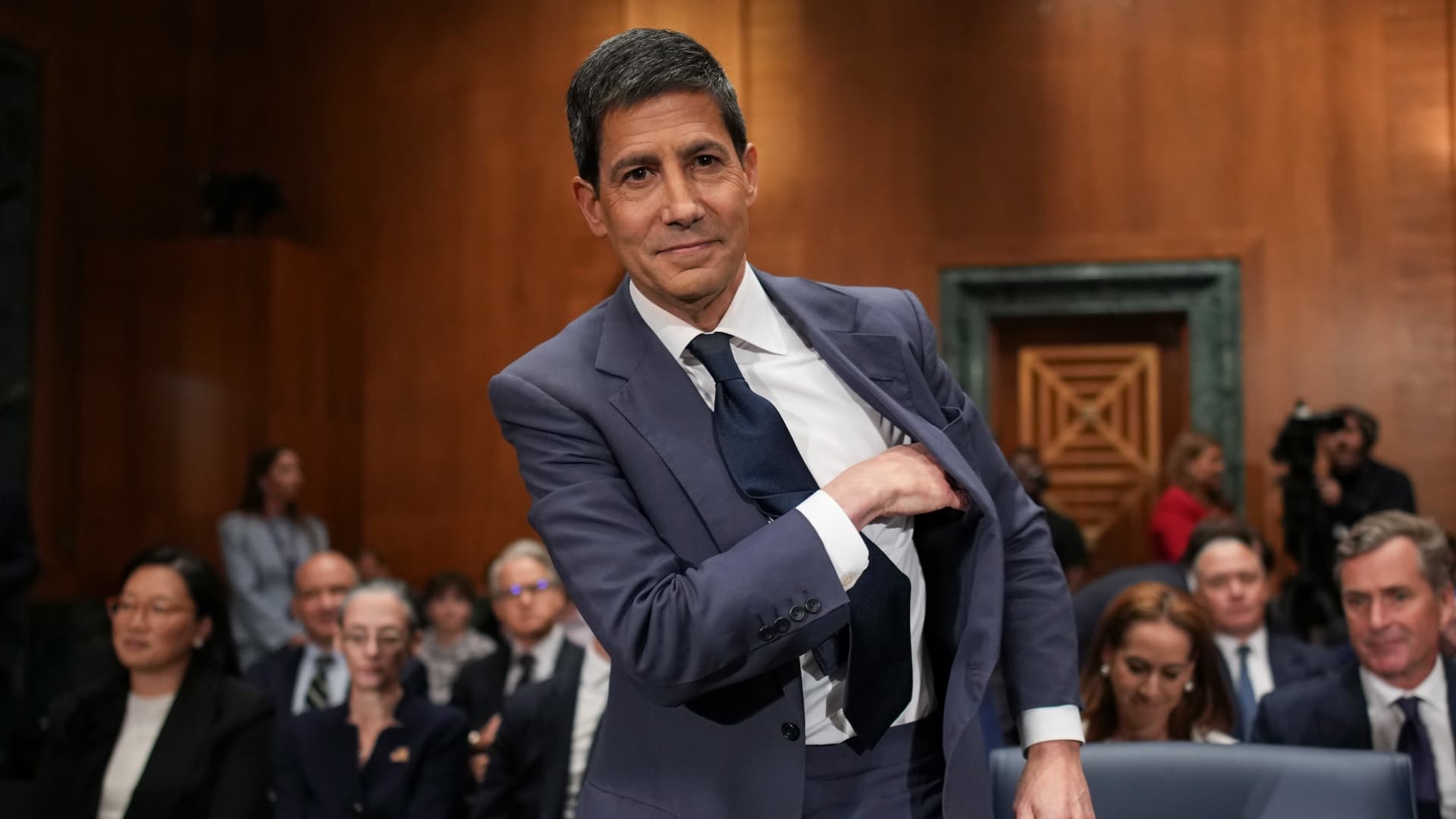
The Senate Banking Committee has formally voted in favour of Kevin Warsh's nomination to lead the Federal Reserve, marking a significant legislative step toward his final confirmation. Warsh, the Federal Reserve nominee selected by President Donald Trump, has successfully navigated the committee stage, positioning him for a full Senate vote in the coming weeks.
This approval comes as President Trump continues to express strong dissatisfaction with the current monetary policy stance. The president has publicly criticised incumbent Chair Jerome Powell for not sufficiently reducing interest rates to his liking. While Warsh advances, Powell remains in his role until May, when he is expected to step down following the confirmation of his successor.
The timing of the committee's decision coincides with heightened security scrutiny following an assassination attempt on President Trump at the White House Correspondents' Association dinner. On Sunday, federal investigators confirmed that the gunman who breached security at the press gala intended to assassinate the president and top officials. Consequently, a joint FBI and terrorism task-force has launched a probe into the breach, placing security protocols under increased examination.
Despite the political and security developments, the Federal Reserve is widely expected to maintain its benchmark interest rate in the near term. Policymakers are navigating a complex economic landscape characterised by significant uncertainty, particularly regarding the ongoing conflict in the Middle East. The instability in the region continues to affect oil prices and complicates the inflation outlook, prompting officials to take a measured approach to monetary policy.
The connection between the recent security incident and the legislative timeline for Warsh's nomination appears to be one of temporal coincidence rather than a direct causal link. While the approval of the nomination occurred simultaneously with the escalation in security measures, there is no evidence suggesting the breach directly influenced the committee's vote or the speed of the confirmation process.
As the Senate moves closer to a final vote, the focus remains on how the new leadership at the central bank will balance the administration's desire for lower rates with the economic realities presented by global instability. The confirmation of Warsh represents a shift in the institutional guard at the Federal Reserve, setting the stage for potential changes in the approach to interest rates and economic management.