Senate advances War Powers Resolution to curb Trump’s Iran military authority
The US Senate has voted 50 to 47 to advance a resolution restricting the president’s ability to wage war on Iran without congressional approval, though the measure faces significant opposition in the Republican-led House and an expected presidential veto.
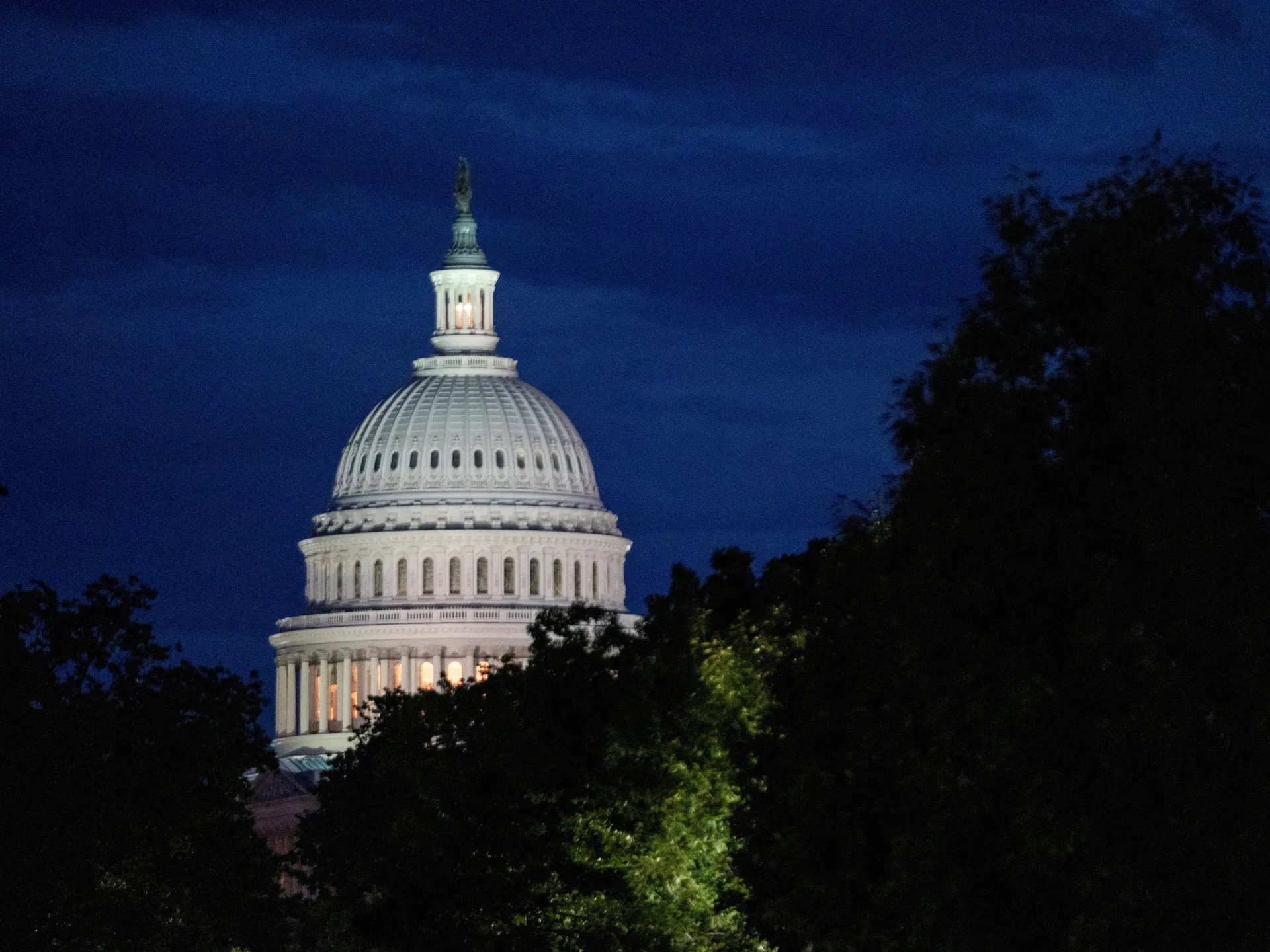
The United States Senate has advanced a War Powers Resolution aimed at restricting President Donald Trump’s authority to use military force against Iran without explicit congressional authorisation. The procedural vote passed on Tuesday by a margin of 50 to 47, with a small number of Republican senators joining their Democratic colleagues in a rare rebuke of the administration’s conduct of the conflict.
Democratic Senate Minority Leader Chuck Schumer characterised the president’s approach as reckless, stating before the vote that Trump was “like a toddler playing with a loaded gun.” Schumer urged the immediate withdrawal of troops from hostilities, arguing that the current moment demands a reaffirmation of the constitutional principle that Congress, rather than the executive branch, holds the power to send troops to war.
The legislative path for the resolution remains obstructed by significant structural barriers. Even if the Senate were to pass the measure, it must secure approval from the Republican-led House of Representatives and achieve a two-thirds majority in both chambers to override an expected presidential veto. Republican lawmakers have previously blocked seven similar resolutions in the Senate and three in the House this year, maintaining that the president’s actions are legal exercises of his commander-in-chief powers.
The vote occurs against a backdrop of ongoing military engagement that began in late February following a joint US and Israeli launch against Iran. Despite a declared ceasefire, hostilities have persisted, with US troops blockading Iranian ports and attacking shipping, while Iranian forces have blocked the Strait of Hormuz and targeted US vessels. On 1 May, President Trump declared that the ceasefire had terminated, a move intended to circumvent the 60-day limit on military action established by the 1973 War Powers Resolution.
Under the 1973 law, a president may conduct military operations for only 60 days before they must seek congressional authorisation or request a 30-day extension based on unavoidable military necessity. The Trump administration maintains that its operations are limited and necessary for national protection, but legal experts and opinion polls suggest widespread domestic opposition to the war and concerns that it violates international law. The conflict has also contributed to volatility in global energy markets and rising living costs within the United States.